Tag: blues

  • The Evolution of Blues: Insights from Guitarist Ryan Kuehner

    • ryankuehner
    • a few seconds ago
    • 3 min read

    Blues music has shaped much of modern music, influencing genres from rock to jazz. Guitarist Ryan Kuehner shares his perspective on how blues evolved, tracing its roots and highlighting key moments that defined its sound. This post explores the history of blues through Ryan’s insights, offering a clear view of how this genre grew from simple beginnings to a powerful musical force.

    Close-up view of a vintage guitar resting on a wooden floor
    Vintage guitar on wooden floor, close-up view

    The Roots of Blues Music

    Blues began in the late 19th and early 20th centuries in the American South. It grew from African American communities, blending African musical traditions with work songs, spirituals, and folk music. Ryan Kuehner points out that the blues reflected the daily struggles and emotions of people facing hardship, making it a deeply personal and expressive form.

    The early blues were often simple in structure, using a 12-bar format and a few chords. This simplicity allowed musicians to focus on storytelling and emotion. Lyrics often dealt with themes like love, loss, and survival, connecting listeners to the human experience.

    The Role of the Guitar in Blues

    Ryan emphasizes the guitar as the heart of blues music. Early blues musicians used acoustic guitars, often playing with fingerpicking or slide techniques to create unique sounds. The guitar’s versatility made it perfect for expressing the genre’s emotional depth.

    As blues evolved, electric guitars became more common. This shift allowed for louder, more dynamic performances and helped blues reach wider audiences. Ryan notes that guitarists like B.B. King and Muddy Waters shaped the electric blues style, influencing countless players worldwide.

    Key Figures Who Shaped Blues

    Several artists played crucial roles in the development of blues. Ryan highlights a few:

    • Robert Johnson: Known for his haunting voice and masterful guitar skills, Johnson’s recordings from the 1930s remain legendary. His songs influenced many rock and blues musicians.
    • Muddy Waters: He brought blues to Chicago, electrifying the sound and making it popular in urban settings.
    • Bessie Smith: Called the “Empress of the Blues,” her powerful voice brought blues to a broader audience in the 1920s.

    These musicians helped blues evolve from rural folk music into a major cultural force.

    Blues and Its Influence on Other Genres

    Ryan explains that blues laid the groundwork for many other music styles. Rock and roll, jazz, and even hip-hop borrow elements from blues. The genre’s focus on rhythm, emotion, and improvisation made it a natural foundation for new sounds.

    For example, the Rolling Stones and Eric Clapton openly credit blues as a major influence. Their music introduced blues to global audiences, blending it with rock elements. This cross-genre influence shows how blues remains relevant and adaptable.

    Eye-level view of an electric guitar amplifier with vintage knobs
    Electric guitar amplifier with vintage knobs, eye-level view

    Modern Blues and Ryan Kuehner’s Perspective

    Today, blues continues to evolve. Ryan Kuehner blends traditional blues techniques with modern styles, keeping the genre fresh. He believes that understanding blues history is essential for any musician who wants to play authentically.

    Ryan also stresses the importance of live performance in blues. The genre thrives on interaction between the musician and the audience, creating a shared emotional experience. This connection is what keeps blues alive and meaningful.

    Learning Blues Guitar: Tips from Ryan Kuehner

    For those interested in learning blues guitar, Ryan offers practical advice:

    • Start with the basics: Learn the 12-bar blues progression and common chord shapes.
    • Listen to the greats: Study recordings from early blues artists to understand phrasing and emotion.
    • Practice bending and sliding: These techniques add expressiveness to your playing.
    • Play with others: Jamming helps develop timing and improvisation skills.
    • Focus on feeling: Blues is about emotion, so let your playing reflect your mood.

    These tips help beginners build a strong foundation and develop their own blues style.

    High angle view of a musician tuning a guitar on stage
    Musician tuning guitar on stage, high angle view

    The Future of Blues Music

    Ryan believes blues will continue to grow by blending with new genres and technologies. Younger musicians are experimenting with blues elements in electronic music, hip-hop, and indie rock. This fusion keeps the genre alive and evolving.

    At the same time, preserving traditional blues remains important. Ryan encourages musicians to study the roots and respect the history behind the music. This balance between tradition and innovation will shape blues for years to come.
  • Mastering the Pentatonic Scale with Guitarist Ryan Kuehner Insights

    • ryankuehner
    • a few seconds ago
    • 3 min read

    The pentatonic scale is one of the most essential tools for guitarists, shaping countless solos and riffs across genres. Guitarist Ryan Kuehner shares his insights on how mastering this scale can unlock new creative possibilities and improve your playing. Whether you are a beginner or an experienced player, understanding the pentatonic scale deeply can transform your approach to the guitar.

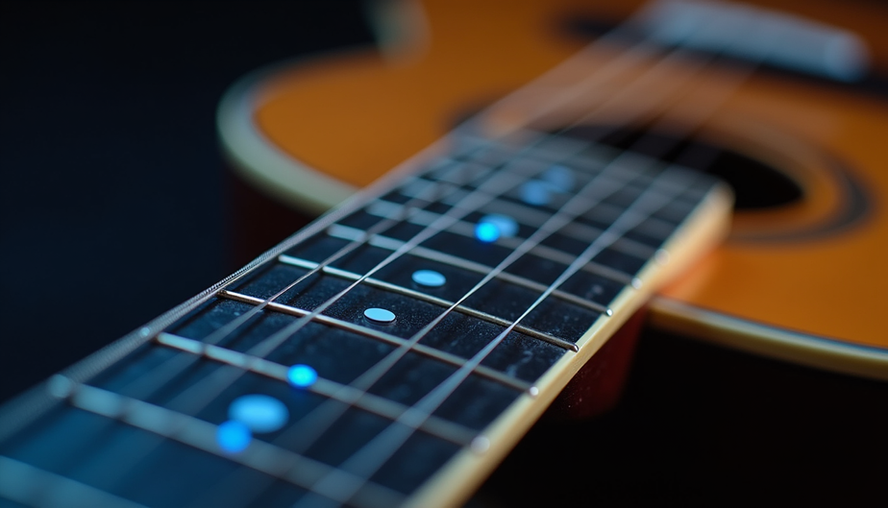
    Close-up view of guitar fretboard showing pentatonic scale notes
    Guitar fretboard highlighting pentatonic scale notes

    What Makes the Pentatonic Scale So Popular?

    The pentatonic scale contains five notes per octave, unlike the more common seven-note scales. This simplicity makes it easier to use and less likely to clash with chords. Ryan Kuehner points out that this scale’s versatility is why it appears in blues, rock, jazz, country, and even pop music.

    The two main pentatonic scales guitarists use are:

    • Minor pentatonic: Often used for solos and bluesy riffs.
    • Major pentatonic: Has a brighter, happier sound, common in country and pop.

    Ryan emphasizes that learning both scales and understanding their relationship helps guitarists switch moods and styles smoothly.

    How to Practice the Pentatonic Scale Effectively

    Ryan Kuehner suggests a focused approach to practicing the pentatonic scale:

    1. Learn the five basic positions The pentatonic scale can be played in five different positions across the fretboard. Start by memorizing these shapes and practice moving between them fluidly.
    2. Use a metronome Practice the scale slowly with a metronome to build timing and precision. Gradually increase the speed as you become comfortable.
    1. Add bends, slides, and vibrato These techniques bring life to the scale. Ryan recommends experimenting with different articulations to develop your own voice.
    2. Improvise over backing tracks Playing the pentatonic scale over various chord progressions helps you understand how the notes interact with harmony.

    Ryan also stresses the importance of patience. Mastery comes from consistent, mindful practice rather than rushing through exercises.

    Applying the Pentatonic Scale in Different Genres

    The pentatonic scale’s adaptability is one reason it remains a favorite among guitarists. Ryan Kuehner shares examples of how the scale fits into different musical styles:

    • Blues: The minor pentatonic scale is the backbone of blues solos. Adding the “blue note” (a flattened fifth) creates the classic blues sound.
    • Rock: Many rock riffs and solos use the minor pentatonic scale for its raw, powerful tone.
    • Country: The major pentatonic scale adds a bright, melodic quality to country guitar playing.
    • Jazz: Jazz guitarists often combine pentatonic scales with other scales to create complex improvisations.

    Ryan encourages players to listen to recordings from different genres and try to identify how the pentatonic scale is used. This helps build musical vocabulary and inspires creativity.

    Eye-level view of guitar amplifier and pedalboard setup
    Guitar amplifier and pedalboard setup for practicing pentatonic scale

    Common Mistakes to Avoid When Learning the Pentatonic Scale

    Ryan Kuehner highlights some pitfalls guitarists often encounter:

    • Playing too fast too soon

    Speed without control leads to sloppy playing. Focus on clean notes and timing first.

    • Ignoring musical phrasing

    The pentatonic scale is not just a set of notes. Use phrasing, rests, and dynamics to make your playing expressive.

    • Sticking only to scale shapes

    Memorizing shapes is useful, but understanding the notes and their relationship to chords is crucial for improvisation.

    • Not exploring different keys

    Practice the scale in various keys to become comfortable moving around the fretboard.

    Avoiding these mistakes will help you progress faster and develop a more musical style.

    Tips from Ryan Kuehner for Taking Pentatonic Playing to the Next Level

    To go beyond basic pentatonic playing, Ryan suggests:

    • Mix pentatonic with other scales

    Combine pentatonic with major, minor, or modal scales to add color and complexity.

    • Use chromatic passing notes

    Adding notes outside the scale briefly can create tension and release.

    • Experiment with rhythm

    Change note durations and syncopate rhythms to keep solos interesting.

    • Record and analyze your playing

    Listening back helps identify areas for improvement and sparks new ideas.

    • Learn solos from great guitarists

    Study how legends like B.B. King, Eric Clapton, and Stevie Ray Vaughan use the pentatonic scale.

    High angle view of guitar neck with fingers playing a solo
    Guitar neck close-up showing finger placement for pentatonic solo

    Final Thoughts on Mastering the Pentatonic Scale

    Mastering the pentatonic scale opens many doors for guitarists. Ryan Kuehner’s insights show that success comes from understanding the scale’s structure, practicing with intention, and applying it creatively across styles. The pentatonic scale is more than just a beginner’s tool; it is a foundation for expressive and dynamic guitar playing.

    Start by learning the five positions, practice slowly with a metronome, and explore improvisation over different backing tracks. Avoid common mistakes like rushing or relying solely on shapes. Push your skills further by mixing scales, experimenting with rhythm, and studying great players.