Tag: guitar

  • St Charles County Guitarist Ryan Kuehner’s Take on Suhr vs Fender Guitars

    St Charles County Guitarist Ryan Kuehner’s Take on Suhr vs Fender Guitars

    Guitar players often face a tough choice when picking their instrument. Two names that come up frequently are Suhr and Fender. Both brands have earned respect for their quality and sound, but they offer different experiences. Ryan Kuehner, a seasoned guitarist from St. Charles County, shares his insights on what sets Suhr and Fender guitars apart. His perspective helps players understand which guitar might fit their style and needs best.

    Close-up view of a Suhr electric guitar body with polished finish
    Suhr electric guitar close-up with polished finish

    Craftsmanship and Build Quality

    Ryan points out that Suhr guitars stand out for their meticulous craftsmanship. Each Suhr guitar is often hand-built with attention to detail that appeals to players who want a premium instrument. The woods are carefully selected, and the finish is flawless. Suhr uses modern techniques combined with traditional luthiery, which results in a guitar that feels solid and plays smoothly.

    Fender guitars, on the other hand, have a long history and a classic design that has remained largely unchanged for decades. Fender’s production is more industrial but still maintains high standards. The build quality is reliable, and the guitars are known for their durability. Ryan notes that Fender’s consistency makes it a favorite for players who want a dependable instrument that can handle gigging and touring.

    Key Differences in Build

    • Suhr: Custom options, hand-finished, modern hardware, smooth neck profiles
    • Fender: Classic designs, mass production with quality control, vintage-style hardware

    Ryan emphasizes that Suhr guitars often feel more refined in the hand, while Fender guitars offer a familiar, tried-and-true feel.

    Sound and Tone

    Sound is where the debate between Suhr and Fender gets interesting. Ryan explains that Suhr guitars tend to have a versatile tone palette. They can deliver warm, rich sounds as well as bright, cutting tones. This versatility comes from Suhr’s use of custom pickups and electronics designed to suit a wide range of genres.

    Fender guitars are famous for their bright, clear, and twangy sound. The classic Fender single-coil pickups produce a signature tone that has defined rock, blues, country, and more. Ryan mentions that many players choose Fender for its iconic sound that works well in live settings and studio recordings.

    Tone Comparison

    • Suhr: Versatile, balanced, customizable pickups, smooth sustain
    • Fender: Bright, clear, twangy, classic single-coil sound

    Ryan shares that his personal preference depends on the music style. For blues and classic rock, Fender’s tone is hard to beat. For modern rock or fusion styles, Suhr’s flexibility offers more options.

    Eye-level view of a Fender Stratocaster guitar on a stand with natural wood finish
    Fender Stratocaster guitar on stand with natural wood finish

    Playability and Feel

    The feel of a guitar neck and body can make or break a player’s connection with the instrument. Ryan highlights that Suhr guitars often have thinner, faster neck profiles that appeal to players who like to move quickly across the fretboard. The fretwork on Suhr guitars is precise, making bends and vibrato easier.

    Fender guitars usually have a chunkier neck profile, especially on vintage models. This can feel more substantial and comfortable for players who prefer a traditional grip. Ryan notes that Fender’s neck shape suits rhythm players and those who enjoy a classic feel.

    Playability Highlights

    • Suhr: Slim necks, smooth fret edges, ergonomic body shapes
    • Fender: Classic neck shapes, solid feel, familiar contours

    Ryan advises players to try both brands in person to see which neck shape fits their hand best. The right feel can improve technique and reduce fatigue during long sessions.

    Price and Value

    Price is always a factor when choosing a guitar. Suhr guitars are generally more expensive due to their custom nature and high-end components. Ryan explains that Suhr targets players who want a boutique instrument and are willing to invest in quality and customization.

    Fender guitars cover a wide price range. Entry-level models like the Player Series offer great value for beginners and intermediate players. Higher-end Fender Custom Shop guitars can approach Suhr prices but still maintain the classic Fender vibe.

    Price Range Overview

    • Suhr: $2,000 to $4,000+ depending on custom options
    • Fender: $600 to $3,500+ depending on model and series

    Ryan suggests that players consider their budget and how much they value custom features versus classic design.

    High angle view of a guitar technician adjusting pickups on a Suhr guitar
    Guitar technician adjusting pickups on a Suhr guitar

    Which Guitar Fits Your Style?

    Ryan Kuehner’s experience shows that the choice between Suhr and Fender depends on what you want from your guitar.

    • Choose Suhr if you want a modern, customizable guitar with smooth playability and versatile tone. Suhr suits players who want a boutique instrument tailored to their preferences.
    • Choose Fender if you want a classic, reliable guitar with a signature bright sound. Fender fits players who appreciate tradition and need a guitar that performs well in many settings.

    Ryan encourages guitarists to test both brands and consider their music style, playing comfort, and budget before deciding.

    Final Thoughts from Ryan Kuehner

  • Ryan Kuehner’s Top 5 Combo Amps of 2026 Every Guitarist Should Consider

    Finding the right combo amp can transform your guitar playing experience. Whether you’re practicing at home, recording in the studio, or performing live, the amp you choose shapes your tone and feel. Guitarist Ryan Kuehner has tested numerous models and picked the top five combo amps of 2026 that stand out for their sound quality, versatility, and build. This guide breaks down what makes each amp special and helps you decide which one fits your style and needs.

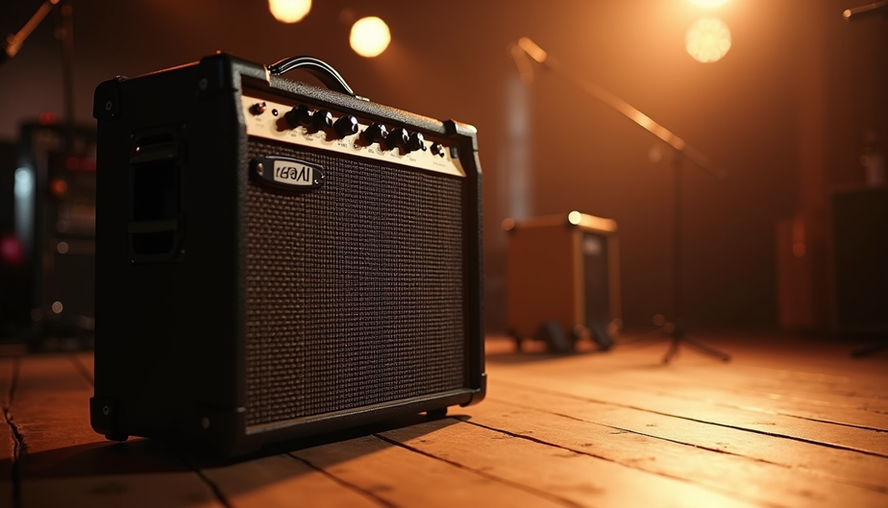
    Eye-level view of a sleek guitar combo amp on a wooden stage
    Ryan Kuehner’s top combo amp on stage

    What to Look for in a Combo Amp in 2026

    Before diving into the list, it’s useful to understand what features matter most in today’s combo amps. The market has evolved with new tech and player demands, but some basics remain essential:

    • Sound quality: Clear, rich tone with good dynamic response.
    • Power output: Enough wattage to suit your playing environment.
    • Portability: Weight and size for easy transport.
    • Versatility: Multiple channels, effects, and tone-shaping controls.
    • Build quality: Durable materials and reliable components.
    • Connectivity: USB, Bluetooth, or other modern inputs for recording or jamming.

    Ryan Kuehner values amps that balance classic tone with modern features, making them suitable for a wide range of genres and settings.

    1. Fender Mustang GTX V2

    The Fender Mustang GTX V2 is a favorite for players who want a wide palette of sounds in one amp. It combines digital modeling with Fender’s classic tone heritage.

    • Power: 100 watts, enough for small to medium gigs.
    • Speakers: 12-inch Celestion.
    • Features: Over 200 amp models and effects, Wi-Fi for updates, and a user-friendly app.
    • Tone: From sparkling cleans to heavy distortion, it covers blues, rock, metal, and more.
    • Portability: Weighs about 30 pounds, manageable for most players.

    Ryan notes the GTX V2’s flexibility makes it ideal for gigging musicians who need quick tone changes without lugging multiple amps.

    2. Vox AC15C2

    The Vox AC15C2 remains a classic choice with its warm tube-driven sound and vintage vibe.

    • Power: 15 watts, perfect for studio and small venue use.
    • Speakers: Two 12-inch Celestion Greenbacks.
    • Features: Two channels (Normal and Top Boost), built-in reverb and tremolo.
    • Tone: Rich, chimey cleans and smooth overdrive.
    • Portability: Heavier than some digital amps but still manageable.

    Ryan highlights the AC15C2 for players who want authentic tube tone with a classic British character. It’s especially good for blues, indie, and classic rock.

    3. Boss Katana 100 MkII

    Boss’s Katana series has grown in popularity for its reliability and sound quality at an affordable price.

    • Power: 100 watts.
    • Speakers: 12-inch custom speaker.
    • Features: Five amp characters, 60 effects, power control for volume scaling.
    • Tone: Versatile, from clean jazz tones to heavy metal distortion.
    • Portability: Lightweight and compact.

    Ryan praises the Katana 100 MkII for home players and giggers who want a solid all-around amp with plenty of built-in effects and easy tone shaping.

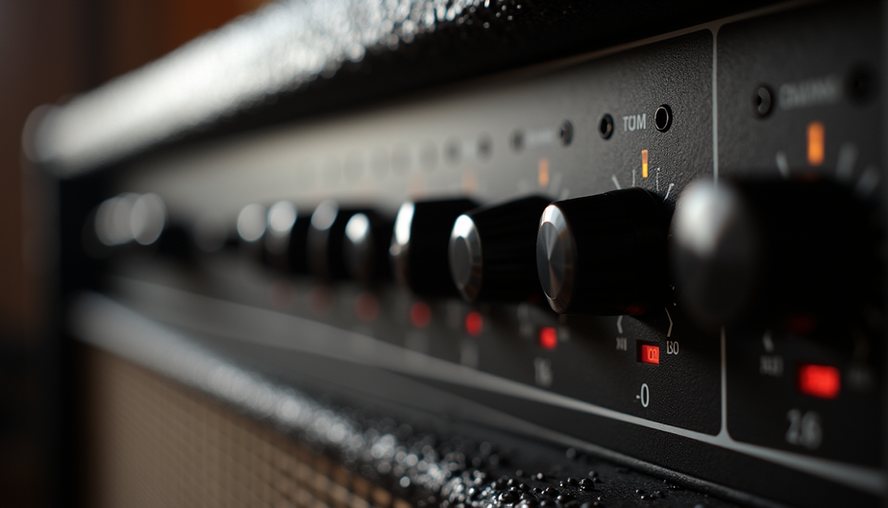
    Close-up of a Boss Katana 100 MkII combo amp with control knobs
    Detailed view of Boss Katana 100 MkII control panel

    4. PRS Sonzera 20

    PRS Sonzera 20 is a boutique-style tube amp that delivers high-quality tone in a compact package.

    • Power: 20 watts.
    • Speakers: 10-inch Celestion.
    • Features: Two channels, reverb, and a simple control layout.
    • Tone: Smooth, dynamic, and responsive with a modern edge.
    • Portability: Very light and easy to carry.

    Ryan recommends the Sonzera 20 for players who want a premium tube sound without the bulk. It works well in studios and small gigs.

    5. Yamaha THR30II Wireless

    The Yamaha THR30II Wireless is a hybrid amp designed for home use and recording with wireless convenience.

    • Power: 30 watts.
    • Speakers: Two 3-inch full-range speakers plus two tweeters.
    • Features: Multiple amp models, effects, Bluetooth audio streaming, and USB connectivity.
    • Tone: Clear and detailed, great for practice and recording.
    • Portability: Compact and lightweight.

    Ryan points out the THR30II’s wireless feature as a game-changer for players who want freedom from cables and easy integration with digital setups.

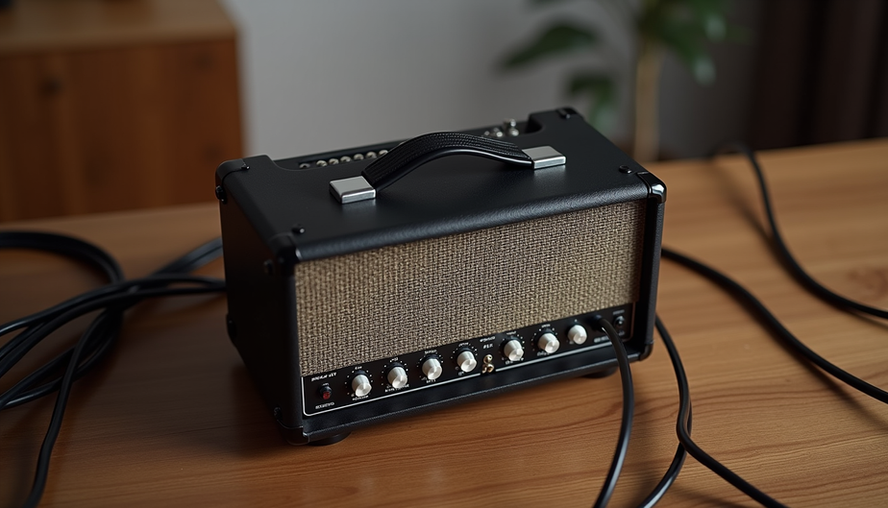
    High angle view of Yamaha THR30II Wireless amp on a desk with guitar cables
    Compact Yamaha THR30II Wireless amp on a wooden desk

    How to Choose the Right Combo Amp for You

    Choosing the best combo amp depends on your playing style, environment, and budget. Here are some tips based on Ryan’s experience:

    • For gigging musicians: Look for power and versatility. The Fender Mustang GTX V2 and Boss Katana 100 MkII offer plenty of wattage and tone options.
    • For studio and home players: Smaller tube amps like the Vox AC15C2 and PRS Sonzera 20 provide rich tone without overwhelming volume.
    • For tech-savvy players: The Yamaha THR30II Wireless offers modern connectivity and wireless freedom.
    • Consider speaker size: Larger speakers (12-inch) deliver fuller bass and volume, while smaller ones (10-inch or less) are more portable.
    • Test in person: Whenever possible, try amps with your guitar and pedals to hear how they respond.

    Final Thoughts on the Best Combo Amps of 2026

    Ryan Kuehner’s top five combo amps cover a range of needs and styles. From classic tube warmth to digital flexibility and wireless convenience, these amps represent the best options available in 2026. Your perfect amp will depend on your unique sound goals and playing context. Take time to explore these models, listen closely, and choose the one that inspires you to play more and better.

  • Ryan Kuehner’s Top Modeling Amplifiers of 2026 Reviewed for Guitarists

    • ryankuehner
    • a few seconds ago
    • 3 min read

    Modeling amplifiers have transformed the way guitarists approach tone and versatility. In 2026, the market offers a wide range of amps that combine digital technology with classic sounds, giving players unprecedented control over their sound. This review highlights the top modeling amps of the year, focusing on features, sound quality, and usability. Whether you play live, record at home, or just want a reliable practice amp, these picks stand out.

    !Close-up view of a sleek guitar modeling amplifier with digital controls

    What Makes a Great Modeling Amplifier in 2026

    Modeling amps simulate the sound of various classic and modern amplifiers using digital technology. The best models offer:

    • Accurate tone reproduction that captures the nuances of tube amps and pedals
    • User-friendly interfaces for easy tone shaping and preset management
    • Connectivity options like USB, Bluetooth, and app integration for recording and editing
    • Portability and power suitable for practice, stage, or studio use
    • Durability to withstand regular gigging or travel

    Ryan Kuehner, a guitarist known for his versatile playing style, tested numerous amps to find those that deliver on these points without compromise.

    Top Modeling Amplifiers of 2026

    1. Line 6 Helix Native Amp

    The Line 6 Helix Native Amp continues to impress with its realistic amp modeling and extensive effects library. It offers:

    • Over 60 amp models and 100 effects
    • Intuitive touchscreen and foot controller compatibility
    • USB audio interface for seamless recording
    • Deep editing via desktop software

    Ryan notes the Helix Native Amp excels in live settings and studio work, providing a wide palette of tones from clean jazz to heavy metal distortion. Its flexibility makes it a favorite for players who want one amp to cover many styles.

    2. Kemper Profiling Amplifier Stage

    Kemper’s Profiling Amp remains a top choice for guitarists seeking authentic amp tones. It profiles real amps, capturing their unique character. Key features include:

    • Thousands of user and factory profiles
    • Powerful onboard effects and EQ
    • Robust build quality for touring
    • Easy integration with DAWs via USB

    Ryan highlights the Kemper’s ability to replicate vintage amps with stunning accuracy. It’s ideal for players who want to carry their entire amp collection in one device.

    !Eye-level view of a Kemper Profiling Amplifier on stage with guitar cables connected

    3. Boss Katana Air Wireless Modeling Amp

    Boss’s Katana Air offers wireless freedom without sacrificing tone quality. It’s perfect for practice and small gigs, featuring:

    • Wireless guitar connection up to 30 feet
    • Five amp characters and onboard effects
    • Battery-powered option for portability
    • Bluetooth streaming for backing tracks

    Ryan praises the Katana Air for its convenience and solid sound. It’s a great choice for guitarists who want to avoid cables and still enjoy versatile tones.

    How to Choose the Right Modeling Amp for You

    Selecting a modeling amp depends on your playing style, needs, and budget. Consider these factors:

    • Tone preferences: Do you want classic tube sounds, modern high-gain, or a mix?
    • Usage: Will you use it mainly for practice, recording, or live shows?
    • Portability: Do you need a lightweight amp or a powerful stage rig?
    • Connectivity: Is USB or Bluetooth important for your workflow?
    • Budget: Modeling amps vary widely in price, so find one that offers the best value for your money.

    Ryan recommends trying amps in person when possible, as personal taste plays a big role in tone satisfaction.

    Practical Tips for Getting the Most from Your Modeling Amp

    • Experiment with presets to find starting points, then tweak settings to suit your guitar and playing style.
    • Use an external foot controller if your amp supports it for easier switching during performances.
    • Connect to a computer or mobile app to access deeper editing tools and save custom tones.
    • Pair with quality speakers or headphones to hear the full range of your amp’s sound.
    • Keep firmware updated to benefit from new features and improvements.

    !High angle view of a guitar player adjusting settings on a modeling amplifier during rehearsal

    Final Thoughts on Modeling Amplifiers in 2026

    The modeling amps reviewed here show how far technology has come in delivering versatile, high-quality guitar tones. Ryan Kuehner’s picks offer options for every guitarist, from bedroom players to touring professionals. The key is to focus on what fits your style and needs, then explore the amp’s features to unlock its full potential.

  • Guitarist Ryan Kuehner Explores Stainless Steel Frets vs Nickel Silver Frets

    • ryankuehner
    • a few seconds ago
    • 3 min read

    When it comes to guitar setup and playability, the choice of fret material can make a noticeable difference. Guitarist Ryan Kuehner recently shared his insights on the performance and feel of stainless steel frets compared to the more traditional nickel silver frets. This comparison sheds light on how fret materials affect tone, durability, and overall playing experience.

    Understanding the Basics of Fret Materials

    Frets are the metal strips embedded along the guitar neck that define the notes when strings are pressed down. The two most common fret materials are nickel silver and stainless steel. Nickel silver, despite its name, contains no actual silver but is an alloy of nickel, copper, and zinc. It has been the industry standard for decades due to its balance of cost, workability, and tone.

    Stainless steel frets, on the other hand, are made from a harder, more durable metal alloy. They have gained popularity among guitarists seeking longer-lasting frets and a brighter sound.

    Ryan Kuehner’s Experience with Nickel Silver Frets

    Ryan Kuehner has played guitars with nickel silver frets for years. He appreciates their smooth feel and the warm tone they produce. Nickel silver frets tend to wear down faster, especially with heavy playing styles, but they offer a familiar and comfortable touch for many players.

    Some key points from Ryan’s experience with nickel silver frets include:

    • Tone: Nickel silver frets contribute to a slightly warmer, more vintage sound.
    • Feel: The frets have a softer touch, which some players find easier for bending and vibrato.
    • Wear: Over time, nickel silver frets develop grooves and flattening, requiring more frequent maintenance or refretting.

    The Appeal of Stainless Steel Frets

    Ryan decided to try stainless steel frets on one of his guitars to see how they compare. Stainless steel frets are known for their hardness and resistance to wear. This means they stay smooth and rounded longer, even under aggressive playing.

    Here’s what Ryan noticed about stainless steel frets:

    • Durability: The frets showed minimal wear after months of regular playing, reducing the need for fret dressing or replacement.
    • Tone: Stainless steel frets produced a brighter, more articulate sound with enhanced sustain.
    • Feel: The surface felt slicker and slightly harder under the fingers, which some players might need time to adjust to.

    Comparing Playability and Maintenance

    One of the biggest differences Ryan highlighted is how the two fret materials affect playability and upkeep.

    • Playability: Nickel silver frets offer a familiar, slightly softer feel that many guitarists prefer for expressive techniques like string bending. Stainless steel frets feel firmer and smoother, which can speed up finger movement but might feel less forgiving initially.
    • Maintenance: Stainless steel frets require less frequent maintenance. They resist dents and grooves better, which means fewer trips to the luthier. Nickel silver frets wear down faster and may need more regular polishing or eventual replacement.

    Tone Differences in Detail

    Ryan’s tests revealed that stainless steel frets tend to emphasize brightness and clarity. This can be an advantage for players who want their notes to cut through a mix or prefer a more modern sound. Nickel silver frets, by contrast, add a subtle warmth that suits vintage tones and bluesy styles.

    For example, when playing clean arpeggios or single-note lines, stainless steel frets delivered a crisp attack and longer sustain. Nickel silver frets softened the edges of notes, creating a rounder, mellower tone.

    Who Should Consider Stainless Steel Frets?

    Based on Ryan’s exploration, stainless steel frets are ideal for:

    • Players who perform frequently and want durable frets that last longer.
    • Guitarists who favor a bright, clear tone with strong note definition.
    • Those willing to adapt to a slightly different fret feel for the benefits of reduced maintenance.

    Conversely, nickel silver frets remain a solid choice for:

    • Players who prefer a warmer, vintage tone.
    • Those who value the softer feel for expressive playing techniques.
    • Guitarists who don’t mind more frequent fret maintenance.

    Practical Tips for Guitarists Thinking About Fret Material

    If you’re considering switching fret materials or choosing a new guitar, keep these points in mind:

    • Try before you buy: Play guitars with both fret types to see which feel suits your style.
    • Consider your playing style: Heavy string bending and aggressive playing might benefit from stainless steel’s durability.
    • Think about maintenance: Stainless steel frets save time and money on fretwork over the long term.
    • Tone preference matters: Match fret material to the sound you want from your guitar.

    Final Thoughts on Stainless Steel vs Nickel Silver Frets

  • Top 5 Practice Amps of 2026 Reviewed by Guitarist Ryan Kuehner

    • ryankuehner
    • a few seconds ago
    • 4 min read

    Finding the right practice amp can transform your daily guitar sessions. Whether you are a beginner or a seasoned player, a good practice amp offers clear sound, useful features, and the right power level for your space. Guitarist Ryan Kuehner has tested the latest models of 2026 to help you choose the best amp for your needs. This review covers five top practice amps, highlighting their strengths and what makes them stand out.

    Close-up view of a compact guitar practice amp on a wooden floor
    Compact guitar practice amp with control knobs and speaker grille

    What Makes a Great Practice Amp?

    Before diving into the specific models, it’s important to understand what features matter most in a practice amp. Ryan points out these key factors:

    • Sound quality: Clear tone with good frequency response, suitable for different music styles.
    • Portability: Lightweight and compact design for easy transport and storage.
    • Power output: Enough wattage to fill a room without overwhelming neighbors.
    • Effects and connectivity: Built-in effects like reverb or delay, plus headphone jacks and auxiliary inputs.
    • Durability: Solid build to withstand regular use.

    With these criteria in mind, Ryan tested amps across various price points and styles.

    1. Fender Mustang Micro

    The Fender Mustang Micro is a tiny powerhouse designed for players who want quality sound on the go. Ryan praises its portability and versatility.

    • Power: 6 watts
    • Speaker size: 1.5 inches
    • Features: 12 amp models, 24 effects, Bluetooth connectivity for app control
    • Why it stands out: Despite its small size, it delivers surprisingly rich tones and a wide range of sounds.

    This amp is perfect for bedroom practice or travel. The Bluetooth feature lets you customize settings easily, making it a smart choice for tech-savvy players.

    2. Boss Katana Air

    Boss Katana Air brings wireless freedom to practice amps. Ryan highlights its clean sound and user-friendly design.

    • Power: 30 watts
    • Speaker size: 8 inches
    • Features: Wireless Bluetooth connection, five amp types, onboard effects, rechargeable battery
    • Why it stands out: Wireless operation and long battery life make it ideal for practicing anywhere without cables.

    The Katana Air’s sound quality rivals many wired amps, and its portability is a major plus for players who move between rooms or outdoor spaces.

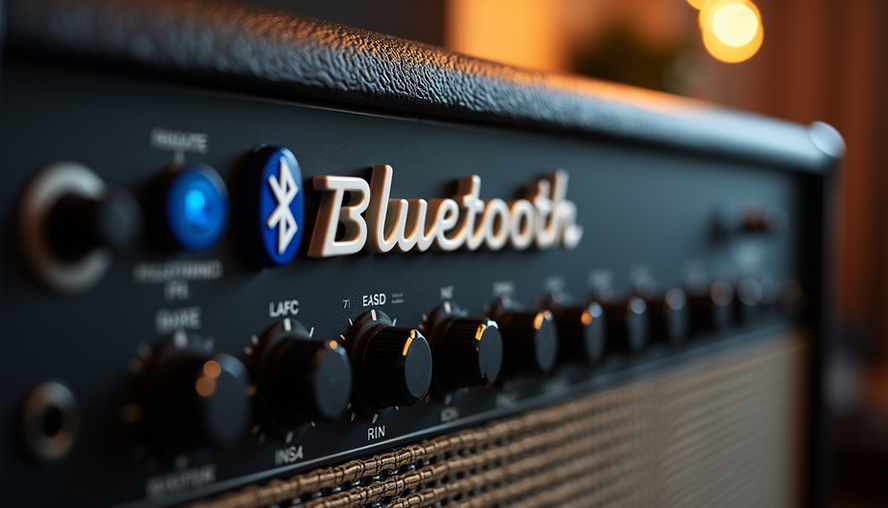
    Eye-level view of a mid-sized guitar amplifier with Bluetooth and control panel
    Mid-sized guitar practice amplifier with Bluetooth and control panel

    3. Yamaha THR10II

    Yamaha’s THR10II is a favorite among guitarists who want studio-quality sound in a compact amp. Ryan notes its detailed tone and build quality.

    • Power: 20 watts
    • Speaker size: 3 inches (stereo)
    • Features: Multiple amp models, effects, USB audio interface, stereo speakers
    • Why it stands out: It doubles as a recording interface, making it great for players who want to record practice sessions or demos.

    This amp’s stereo sound and USB connectivity give it an edge for musicians who blend practice with home recording.

    4. Blackstar Fly 3

    The Blackstar Fly 3 is a budget-friendly option that doesn’t sacrifice tone. Ryan appreciates its simplicity and surprisingly full sound.

    • Power: 3 watts
    • Speaker size: 3 inches
    • Features: Overdrive channel, tape delay effect, aux input, headphone output
    • Why it stands out: Compact size and affordability make it accessible for beginners and casual players.

    Though small, the Fly 3 delivers a punchy sound that works well for blues, rock, and practice sessions in small spaces.

    5. Vox VX50 BA

    Vox VX50 BA combines bass and guitar amp features, making it versatile for multi-instrument players. Ryan points out its powerful sound and effects.

    • Power: 50 watts
    • Speaker size: 8 inches
    • Features: Multiple amp models, built-in effects, battery or AC power options
    • Why it stands out: High wattage and battery operation allow for louder practice sessions without being tethered to an outlet.

    This amp suits players who want to practice with strong volume and a variety of tones, especially in larger rooms or outdoor settings.

    High angle view of a guitar amplifier with multiple control knobs and speaker grille
    Guitar amplifier with multiple control knobs and speaker grille on a stage floor

    How to Choose the Right Practice Amp for You

    Ryan advises considering your specific needs before buying:

    • Space: Small rooms benefit from lower wattage amps like the Fender Mustang Micro or Blackstar Fly 3.
    • Portability: If you travel or move around often, wireless or battery-powered amps like Boss Katana Air or Vox VX50 BA are ideal.
    • Sound preferences: Try amps with different amp models and effects to find your favorite tone.
    • Budget: There are quality options at every price point, so set a budget and focus on features that matter most.

    Testing amps in person or watching demos online can also help you make a confident choice.

    Final Thoughts on Practice Amps in 2026

    The practice amps of 2026 offer more options than ever before. From ultra-portable models to powerful battery-operated amps, players can find gear that fits their style and lifestyle. Ryan Kuehner’s reviews show that the best practice amp balances sound quality, features, and convenience.

    Try to match your amp choice with your daily routine and musical goals. Whether you want a simple amp for quiet practice or a versatile tool for recording and jamming, the right practice amp will keep you inspired and improving.

  • The Evolution of Blues: Insights from Guitarist Ryan Kuehner

    • ryankuehner
    • a few seconds ago
    • 3 min read

    Blues music has shaped much of modern music, influencing genres from rock to jazz. Guitarist Ryan Kuehner shares his perspective on how blues evolved, tracing its roots and highlighting key moments that defined its sound. This post explores the history of blues through Ryan’s insights, offering a clear view of how this genre grew from simple beginnings to a powerful musical force.

    Close-up view of a vintage guitar resting on a wooden floor
    Vintage guitar on wooden floor, close-up view

    The Roots of Blues Music

    Blues began in the late 19th and early 20th centuries in the American South. It grew from African American communities, blending African musical traditions with work songs, spirituals, and folk music. Ryan Kuehner points out that the blues reflected the daily struggles and emotions of people facing hardship, making it a deeply personal and expressive form.

    The early blues were often simple in structure, using a 12-bar format and a few chords. This simplicity allowed musicians to focus on storytelling and emotion. Lyrics often dealt with themes like love, loss, and survival, connecting listeners to the human experience.

    The Role of the Guitar in Blues

    Ryan emphasizes the guitar as the heart of blues music. Early blues musicians used acoustic guitars, often playing with fingerpicking or slide techniques to create unique sounds. The guitar’s versatility made it perfect for expressing the genre’s emotional depth.

    As blues evolved, electric guitars became more common. This shift allowed for louder, more dynamic performances and helped blues reach wider audiences. Ryan notes that guitarists like B.B. King and Muddy Waters shaped the electric blues style, influencing countless players worldwide.

    Key Figures Who Shaped Blues

    Several artists played crucial roles in the development of blues. Ryan highlights a few:

    • Robert Johnson: Known for his haunting voice and masterful guitar skills, Johnson’s recordings from the 1930s remain legendary. His songs influenced many rock and blues musicians.
    • Muddy Waters: He brought blues to Chicago, electrifying the sound and making it popular in urban settings.
    • Bessie Smith: Called the “Empress of the Blues,” her powerful voice brought blues to a broader audience in the 1920s.

    These musicians helped blues evolve from rural folk music into a major cultural force.

    Blues and Its Influence on Other Genres

    Ryan explains that blues laid the groundwork for many other music styles. Rock and roll, jazz, and even hip-hop borrow elements from blues. The genre’s focus on rhythm, emotion, and improvisation made it a natural foundation for new sounds.

    For example, the Rolling Stones and Eric Clapton openly credit blues as a major influence. Their music introduced blues to global audiences, blending it with rock elements. This cross-genre influence shows how blues remains relevant and adaptable.

    Eye-level view of an electric guitar amplifier with vintage knobs
    Electric guitar amplifier with vintage knobs, eye-level view

    Modern Blues and Ryan Kuehner’s Perspective

    Today, blues continues to evolve. Ryan Kuehner blends traditional blues techniques with modern styles, keeping the genre fresh. He believes that understanding blues history is essential for any musician who wants to play authentically.

    Ryan also stresses the importance of live performance in blues. The genre thrives on interaction between the musician and the audience, creating a shared emotional experience. This connection is what keeps blues alive and meaningful.

    Learning Blues Guitar: Tips from Ryan Kuehner

    For those interested in learning blues guitar, Ryan offers practical advice:

    • Start with the basics: Learn the 12-bar blues progression and common chord shapes.
    • Listen to the greats: Study recordings from early blues artists to understand phrasing and emotion.
    • Practice bending and sliding: These techniques add expressiveness to your playing.
    • Play with others: Jamming helps develop timing and improvisation skills.
    • Focus on feeling: Blues is about emotion, so let your playing reflect your mood.

    These tips help beginners build a strong foundation and develop their own blues style.

    High angle view of a musician tuning a guitar on stage
    Musician tuning guitar on stage, high angle view

    The Future of Blues Music

    Ryan believes blues will continue to grow by blending with new genres and technologies. Younger musicians are experimenting with blues elements in electronic music, hip-hop, and indie rock. This fusion keeps the genre alive and evolving.

    At the same time, preserving traditional blues remains important. Ryan encourages musicians to study the roots and respect the history behind the music. This balance between tradition and innovation will shape blues for years to come.

  • Mastering the Pentatonic Scale with Guitarist Ryan Kuehner Insights

    • ryankuehner
    • a few seconds ago
    • 3 min read

    The pentatonic scale is one of the most essential tools for guitarists, shaping countless solos and riffs across genres. Guitarist Ryan Kuehner shares his insights on how mastering this scale can unlock new creative possibilities and improve your playing. Whether you are a beginner or an experienced player, understanding the pentatonic scale deeply can transform your approach to the guitar.

    Close-up view of guitar fretboard showing pentatonic scale notes
    Guitar fretboard highlighting pentatonic scale notes

    What Makes the Pentatonic Scale So Popular?

    The pentatonic scale contains five notes per octave, unlike the more common seven-note scales. This simplicity makes it easier to use and less likely to clash with chords. Ryan Kuehner points out that this scale’s versatility is why it appears in blues, rock, jazz, country, and even pop music.

    The two main pentatonic scales guitarists use are:

    • Minor pentatonic: Often used for solos and bluesy riffs.
    • Major pentatonic: Has a brighter, happier sound, common in country and pop.

    Ryan emphasizes that learning both scales and understanding their relationship helps guitarists switch moods and styles smoothly.

    How to Practice the Pentatonic Scale Effectively

    Ryan Kuehner suggests a focused approach to practicing the pentatonic scale:

    1. Learn the five basic positions The pentatonic scale can be played in five different positions across the fretboard. Start by memorizing these shapes and practice moving between them fluidly.
    2. Use a metronome Practice the scale slowly with a metronome to build timing and precision. Gradually increase the speed as you become comfortable.
    1. Add bends, slides, and vibrato These techniques bring life to the scale. Ryan recommends experimenting with different articulations to develop your own voice.
    2. Improvise over backing tracks Playing the pentatonic scale over various chord progressions helps you understand how the notes interact with harmony.

    Ryan also stresses the importance of patience. Mastery comes from consistent, mindful practice rather than rushing through exercises.

    Applying the Pentatonic Scale in Different Genres

    The pentatonic scale’s adaptability is one reason it remains a favorite among guitarists. Ryan Kuehner shares examples of how the scale fits into different musical styles:

    • Blues: The minor pentatonic scale is the backbone of blues solos. Adding the “blue note” (a flattened fifth) creates the classic blues sound.
    • Rock: Many rock riffs and solos use the minor pentatonic scale for its raw, powerful tone.
    • Country: The major pentatonic scale adds a bright, melodic quality to country guitar playing.
    • Jazz: Jazz guitarists often combine pentatonic scales with other scales to create complex improvisations.

    Ryan encourages players to listen to recordings from different genres and try to identify how the pentatonic scale is used. This helps build musical vocabulary and inspires creativity.

    Eye-level view of guitar amplifier and pedalboard setup
    Guitar amplifier and pedalboard setup for practicing pentatonic scale

    Common Mistakes to Avoid When Learning the Pentatonic Scale

    Ryan Kuehner highlights some pitfalls guitarists often encounter:

    • Playing too fast too soon

    Speed without control leads to sloppy playing. Focus on clean notes and timing first.

    • Ignoring musical phrasing

    The pentatonic scale is not just a set of notes. Use phrasing, rests, and dynamics to make your playing expressive.

    • Sticking only to scale shapes

    Memorizing shapes is useful, but understanding the notes and their relationship to chords is crucial for improvisation.

    • Not exploring different keys

    Practice the scale in various keys to become comfortable moving around the fretboard.

    Avoiding these mistakes will help you progress faster and develop a more musical style.

    Tips from Ryan Kuehner for Taking Pentatonic Playing to the Next Level

    To go beyond basic pentatonic playing, Ryan suggests:

    • Mix pentatonic with other scales

    Combine pentatonic with major, minor, or modal scales to add color and complexity.

    • Use chromatic passing notes

    Adding notes outside the scale briefly can create tension and release.

    • Experiment with rhythm

    Change note durations and syncopate rhythms to keep solos interesting.

    • Record and analyze your playing

    Listening back helps identify areas for improvement and sparks new ideas.

    • Learn solos from great guitarists

    Study how legends like B.B. King, Eric Clapton, and Stevie Ray Vaughan use the pentatonic scale.

    High angle view of guitar neck with fingers playing a solo
    Guitar neck close-up showing finger placement for pentatonic solo

    Final Thoughts on Mastering the Pentatonic Scale

    Mastering the pentatonic scale opens many doors for guitarists. Ryan Kuehner’s insights show that success comes from understanding the scale’s structure, practicing with intention, and applying it creatively across styles. The pentatonic scale is more than just a beginner’s tool; it is a foundation for expressive and dynamic guitar playing.

    Start by learning the five positions, practice slowly with a metronome, and explore improvisation over different backing tracks. Avoid common mistakes like rushing or relying solely on shapes. Push your skills further by mixing scales, experimenting with rhythm, and studying great players.

  • St. Charles Guitarist Ryan Kuehner Explores the Features of Hiwatt Custom Amplifiers

    St. Charles County guitarist Ryan Kuehner shares his firsthand insights on Hiwatt Custom amplifiers, exploring their features and what makes them a top choice for musicians seeking quality and reliability.

    Hiwatt has built a reputation over decades, often linked to legendary rock musicians and unforgettable performances. Known for their durability and exceptional sound quality, these amplifiers continue to intrigue guitarists. Ryan Kuehner, a talented guitarist, shares how Hiwatt Custom amplifiers have impacted his playing style and what he values about the brand.

    The Legacy of Hiwatt Amplifiers

    Founded in the 1960s, Hiwatt quickly became renowned for producing high-quality amplifiers. Their equipment is designed to withstand the realities of live performances, establishing trust among professional musicians.

    One key offering is the Hiwatt Custom series. These amplifiers provide clean, powerful sounds that can adapt to various musical genres. For instance, during a live performance, Ryan often switches between rock riffs and smooth jazz chords, showcasing the amplifier’s versatility.

    Ryan believes that understanding Hiwatt’s rich heritage not only deepens the user experience but also connects guitarists to a broader musical landscape.

    Eye-level view of a Hiwatt Custom amplifier showcasing its vintage design
    Hiwatt Custom amplifier with vintage design

    Key Features of Hiwatt Custom Amplifiers

    Ryan Kuehner is particularly impressed by the robust build quality of Hiwatt Custom amplifiers. Designed with touring musicians in mind, they offer a reliable choice for any performance.

    Important aspects include:

    • Heavy-duty chassis: Provides a sturdy foundation that can handle the stress of transport and live gigs.
    • Quality components: Enhanced circuitry that ensures lasting performance, with many Hiwatt models featuring military-grade parts for added reliability.

    The sound quality is another impressive feature. Ryan appreciates the rich, warm tones produced by these amplifiers. According to him, achieving a clean overdrive or a gently overdriven sound is effortless. This clarity has proven beneficial when performing intricate solos or full-band soundscapes.

    The Sound Experience

    For Ryan, the sound experience with Hiwatt amplifiers is remarkable. He recalls the first time he plugged in his guitar, describing it as an exhilarating moment. The response was immediate, providing both power and musical nuance that filled the entire room.

    The dynamic range of Hiwatt amplifiers allows for expressive playing. During live performances, Ryan has experienced how the amp beautifully responds to both soft strums and hard hits, maintaining clarity without muddiness.

    This kind of responsiveness is crucial for live gigs, where every subtlety matters. The amplifier not only enhances his sound but also boosts his confidence on stage, inspiring creativity.

    Close-up view of the control panel on a Hiwatt Custom amplifier
    Control panel of a Hiwatt Custom amplifier with various settings

    Customization Options

    Another highlight of Hiwatt Custom amplifiers is the range of customization options. Ryan values that musicians can shape their amplifiers to meet their unique preferences.

    These options include:

    • Speaker configurations: Allowing musicians to choose how many speakers they want and their specific sizes for tailored sound.
    • Wattage options: Players can select different wattages, which can enhance tonal characteristics or adapt for different performance venues.

    Ryan discusses the importance of tube choices, noting that different tubes can create distinct sound profiles. This flexibility ensures that each guitarist can carve out their unique voice using Hiwatt’s framework.

    Performance in Live Settings

    Ryan Kuehner has used Hiwatt Custom amplifiers across various live settings, from cozy bars to large stages. He notes their consistent sound quality in every environment.

    The projection capability of Hiwatt amplifiers impressively fills the space without losing clarity. Ryan emphasizes how crucial it is for each note to remain distinct, especially when performing with multiple instruments.

    Reliability is another advantage. With Hiwatt amplifiers, Ryan enjoys peace of mind, knowing that his gear will perform at peak levels, aiding in stress-free live experiences.

    Final Thoughts

    Through Ryan Kuehner’s exploration of Hiwatt Custom amplifiers, we see a brand that has evolved while staying connected to its musical roots. The combination of durable construction, exceptional sound quality, and countless customization options make Hiwatt a standout in the music world.

    Whether you are a seasoned performer or just beginning your musical journey, investing in a Hiwatt Custom amplifier can enhance your experience. Ryan’s insights highlight the quality and performance these amplifiers deliver, encouraging serious musicians to explore Hiwatt’s offerings.

    As the music industry grows and changes, Hiwatt remains a strong choice for those in search of reliable, powerful, and versatile amplifiers. For guitarists eager to refine their sound, looking into Hiwatt Custom amplifiers is a decision worth considering.

    High angle view of a guitarist performing with a Hiwatt Custom amplifier on stage
    Guitarist performing on stage with a Hiwatt Custom amplifier