Tag: guitarist ryan kuehner
-
Mastering the Pentatonic Scale with Guitarist Ryan Kuehner Insights
- ryankuehner
- a few seconds ago
- 3 min read
The pentatonic scale is one of the most essential tools for guitarists, shaping countless solos and riffs across genres. Guitarist Ryan Kuehner shares his insights on how mastering this scale can unlock new creative possibilities and improve your playing. Whether you are a beginner or an experienced player, understanding the pentatonic scale deeply can transform your approach to the guitar.
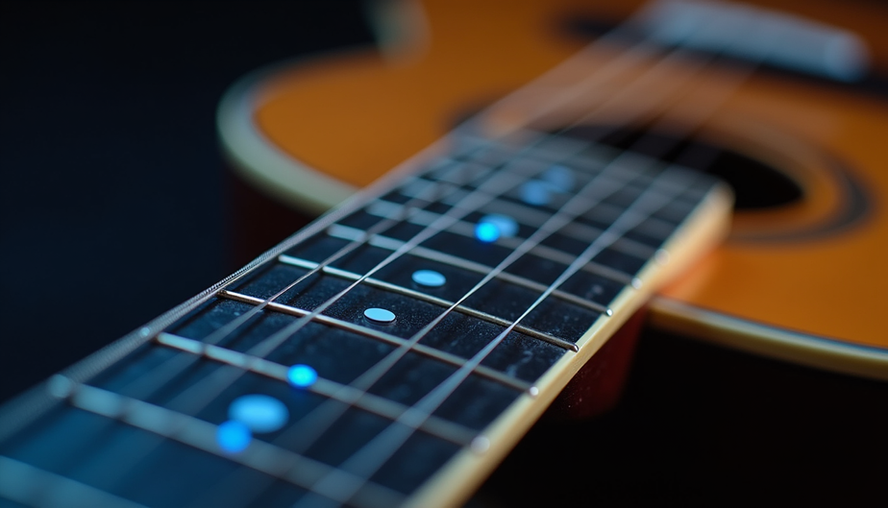
Guitar fretboard highlighting pentatonic scale notes What Makes the Pentatonic Scale So Popular?
The pentatonic scale contains five notes per octave, unlike the more common seven-note scales. This simplicity makes it easier to use and less likely to clash with chords. Ryan Kuehner points out that this scale’s versatility is why it appears in blues, rock, jazz, country, and even pop music.
The two main pentatonic scales guitarists use are:
- Minor pentatonic: Often used for solos and bluesy riffs.
- Major pentatonic: Has a brighter, happier sound, common in country and pop.
Ryan emphasizes that learning both scales and understanding their relationship helps guitarists switch moods and styles smoothly.
How to Practice the Pentatonic Scale Effectively
Ryan Kuehner suggests a focused approach to practicing the pentatonic scale:
- Learn the five basic positions The pentatonic scale can be played in five different positions across the fretboard. Start by memorizing these shapes and practice moving between them fluidly.
- Use a metronome Practice the scale slowly with a metronome to build timing and precision. Gradually increase the speed as you become comfortable.
- Add bends, slides, and vibrato These techniques bring life to the scale. Ryan recommends experimenting with different articulations to develop your own voice.
- Improvise over backing tracks Playing the pentatonic scale over various chord progressions helps you understand how the notes interact with harmony.
Ryan also stresses the importance of patience. Mastery comes from consistent, mindful practice rather than rushing through exercises.
Applying the Pentatonic Scale in Different Genres
The pentatonic scale’s adaptability is one reason it remains a favorite among guitarists. Ryan Kuehner shares examples of how the scale fits into different musical styles:
- Blues: The minor pentatonic scale is the backbone of blues solos. Adding the “blue note” (a flattened fifth) creates the classic blues sound.
- Rock: Many rock riffs and solos use the minor pentatonic scale for its raw, powerful tone.
- Country: The major pentatonic scale adds a bright, melodic quality to country guitar playing.
- Jazz: Jazz guitarists often combine pentatonic scales with other scales to create complex improvisations.
Ryan encourages players to listen to recordings from different genres and try to identify how the pentatonic scale is used. This helps build musical vocabulary and inspires creativity.

Guitar amplifier and pedalboard setup for practicing pentatonic scale Common Mistakes to Avoid When Learning the Pentatonic Scale
Ryan Kuehner highlights some pitfalls guitarists often encounter:
- Playing too fast too soon
Speed without control leads to sloppy playing. Focus on clean notes and timing first.
- Ignoring musical phrasing
The pentatonic scale is not just a set of notes. Use phrasing, rests, and dynamics to make your playing expressive.
- Sticking only to scale shapes
Memorizing shapes is useful, but understanding the notes and their relationship to chords is crucial for improvisation.
- Not exploring different keys
Practice the scale in various keys to become comfortable moving around the fretboard.
Avoiding these mistakes will help you progress faster and develop a more musical style.
Tips from Ryan Kuehner for Taking Pentatonic Playing to the Next Level
To go beyond basic pentatonic playing, Ryan suggests:
- Mix pentatonic with other scales
Combine pentatonic with major, minor, or modal scales to add color and complexity.
- Use chromatic passing notes
Adding notes outside the scale briefly can create tension and release.
- Experiment with rhythm
Change note durations and syncopate rhythms to keep solos interesting.
- Record and analyze your playing
Listening back helps identify areas for improvement and sparks new ideas.
- Learn solos from great guitarists
Study how legends like B.B. King, Eric Clapton, and Stevie Ray Vaughan use the pentatonic scale.

Guitar neck close-up showing finger placement for pentatonic solo Final Thoughts on Mastering the Pentatonic Scale
Mastering the pentatonic scale opens many doors for guitarists. Ryan Kuehner’s insights show that success comes from understanding the scale’s structure, practicing with intention, and applying it creatively across styles. The pentatonic scale is more than just a beginner’s tool; it is a foundation for expressive and dynamic guitar playing.
Start by learning the five positions, practice slowly with a metronome, and explore improvisation over different backing tracks. Avoid common mistakes like rushing or relying solely on shapes. Push your skills further by mixing scales, experimenting with rhythm, and studying great players.
-
St. Charles Guitarist Ryan Kuehner Explores the Features of Hiwatt Custom Amplifiers
St. Charles County guitarist Ryan Kuehner shares his firsthand insights on Hiwatt Custom amplifiers, exploring their features and what makes them a top choice for musicians seeking quality and reliability.
Hiwatt has built a reputation over decades, often linked to legendary rock musicians and unforgettable performances. Known for their durability and exceptional sound quality, these amplifiers continue to intrigue guitarists. Ryan Kuehner, a talented guitarist, shares how Hiwatt Custom amplifiers have impacted his playing style and what he values about the brand.
The Legacy of Hiwatt Amplifiers
Founded in the 1960s, Hiwatt quickly became renowned for producing high-quality amplifiers. Their equipment is designed to withstand the realities of live performances, establishing trust among professional musicians.
One key offering is the Hiwatt Custom series. These amplifiers provide clean, powerful sounds that can adapt to various musical genres. For instance, during a live performance, Ryan often switches between rock riffs and smooth jazz chords, showcasing the amplifier’s versatility.
Ryan believes that understanding Hiwatt’s rich heritage not only deepens the user experience but also connects guitarists to a broader musical landscape.

Hiwatt Custom amplifier with vintage design Key Features of Hiwatt Custom Amplifiers
Ryan Kuehner is particularly impressed by the robust build quality of Hiwatt Custom amplifiers. Designed with touring musicians in mind, they offer a reliable choice for any performance.
Important aspects include:
- Heavy-duty chassis: Provides a sturdy foundation that can handle the stress of transport and live gigs.
- Quality components: Enhanced circuitry that ensures lasting performance, with many Hiwatt models featuring military-grade parts for added reliability.
The sound quality is another impressive feature. Ryan appreciates the rich, warm tones produced by these amplifiers. According to him, achieving a clean overdrive or a gently overdriven sound is effortless. This clarity has proven beneficial when performing intricate solos or full-band soundscapes.
The Sound Experience
For Ryan, the sound experience with Hiwatt amplifiers is remarkable. He recalls the first time he plugged in his guitar, describing it as an exhilarating moment. The response was immediate, providing both power and musical nuance that filled the entire room.
The dynamic range of Hiwatt amplifiers allows for expressive playing. During live performances, Ryan has experienced how the amp beautifully responds to both soft strums and hard hits, maintaining clarity without muddiness.
This kind of responsiveness is crucial for live gigs, where every subtlety matters. The amplifier not only enhances his sound but also boosts his confidence on stage, inspiring creativity.

Control panel of a Hiwatt Custom amplifier with various settings Customization Options
Another highlight of Hiwatt Custom amplifiers is the range of customization options. Ryan values that musicians can shape their amplifiers to meet their unique preferences.
These options include:
- Speaker configurations: Allowing musicians to choose how many speakers they want and their specific sizes for tailored sound.
- Wattage options: Players can select different wattages, which can enhance tonal characteristics or adapt for different performance venues.
Ryan discusses the importance of tube choices, noting that different tubes can create distinct sound profiles. This flexibility ensures that each guitarist can carve out their unique voice using Hiwatt’s framework.
Performance in Live Settings
Ryan Kuehner has used Hiwatt Custom amplifiers across various live settings, from cozy bars to large stages. He notes their consistent sound quality in every environment.
The projection capability of Hiwatt amplifiers impressively fills the space without losing clarity. Ryan emphasizes how crucial it is for each note to remain distinct, especially when performing with multiple instruments.
Reliability is another advantage. With Hiwatt amplifiers, Ryan enjoys peace of mind, knowing that his gear will perform at peak levels, aiding in stress-free live experiences.
Final Thoughts
Through Ryan Kuehner’s exploration of Hiwatt Custom amplifiers, we see a brand that has evolved while staying connected to its musical roots. The combination of durable construction, exceptional sound quality, and countless customization options make Hiwatt a standout in the music world.
Whether you are a seasoned performer or just beginning your musical journey, investing in a Hiwatt Custom amplifier can enhance your experience. Ryan’s insights highlight the quality and performance these amplifiers deliver, encouraging serious musicians to explore Hiwatt’s offerings.
As the music industry grows and changes, Hiwatt remains a strong choice for those in search of reliable, powerful, and versatile amplifiers. For guitarists eager to refine their sound, looking into Hiwatt Custom amplifiers is a decision worth considering.

Guitarist performing on stage with a Hiwatt Custom amplifier -

St Charles County Guitarist Ryan Kuehner Tips on sound proofing your music studio
Creating a music studio that inspires creativity and allows for high-quality recordings is a dream for many musicians. However, one of the biggest challenges in setting up a studio is managing sound. Whether you’re a seasoned professional or an enthusiastic hobbyist, soundproofing your space is essential to achieving the best sound quality. In this blog post, we’ll explore practical tips from St. Charles County guitarist Ryan Kuehner on how to effectively soundproof your music studio.
Understanding the Importance of Soundproofing
Soundproofing is not just about keeping noise out; it’s also about controlling the sound within your studio. This is crucial for recording, mixing, and practicing. Poor acoustics can lead to unwanted echoes, feedback, and other audio issues that can hinder your music production.
By soundproofing your studio, you can create a controlled environment that enhances your sound quality. This is particularly important if you live in a noisy area or if you have neighbors who might be disturbed by your music.
Assessing Your Space
Before diving into soundproofing techniques, it’s important to assess your space. Take a close look at the room you plan to use as your studio. Consider the following factors:
- Room Size: Larger rooms may require more extensive soundproofing measures compared to smaller spaces.
- Wall Materials: Different materials have varying sound absorption properties. For example, concrete walls will behave differently than drywall.
- Windows and Doors: These are often the weakest points in soundproofing. Check for gaps and consider how they might affect your sound.
By understanding the characteristics of your space, you can tailor your soundproofing efforts to be more effective.
Basic Soundproofing Techniques
1. Seal Gaps and Cracks
One of the simplest ways to improve soundproofing is to seal any gaps or cracks in your walls, windows, and doors. Use acoustic caulk to fill in these spaces, as it is specifically designed to reduce sound transmission.
2. Use Heavy Curtains
Heavy curtains can significantly reduce sound entering or leaving your studio. Opt for thick, dense fabrics that can absorb sound waves. This is especially useful if you have windows that let in noise from outside.
3. Add Rugs and Carpets
Hard floors can create echoes and amplify sound. Adding rugs or carpets can help absorb sound and reduce reflections. This is a cost-effective way to improve the acoustics of your studio.
Advanced Soundproofing Solutions
1. Acoustic Panels
Acoustic panels are designed to absorb sound and reduce echoes. They can be mounted on walls and ceilings to improve the overall sound quality of your studio. Look for panels made from high-density foam or other sound-absorbing materials.
2. Bass Traps
Low-frequency sounds can be particularly challenging to manage. Bass traps are specialized acoustic panels that help control these low frequencies. Placing them in the corners of your studio can make a significant difference in sound quality.
3. Soundproofing Foam
Soundproofing foam can be an effective solution for reducing sound transmission. It can be applied to walls, ceilings, and even floors. This material is designed to absorb sound waves and minimize reflections.

A well-equipped music studio with soundproofing features Creating a Soundproof Environment
1. Build a Room Within a Room
For those looking for a more extensive soundproofing solution, consider building a room within a room. This involves constructing a separate structure inside your existing space, which can significantly reduce sound transmission.
2. Use Double Drywall
If you’re willing to invest more in your soundproofing efforts, consider using double drywall. This involves adding an additional layer of drywall to your existing walls, which can help block sound more effectively.
3. Isolate Your Equipment
Vibrations from your instruments and equipment can also contribute to unwanted noise. Use isolation pads or stands to minimize these vibrations. This is particularly important for amplifiers and speakers.
Testing Your Soundproofing
Once you’ve implemented your soundproofing measures, it’s important to test their effectiveness. Here are a few methods to evaluate your soundproofing:
- Listen for Outside Noise: Play your music at a normal volume and listen for any outside noise that seeps in.
- Check for Echoes: Clap your hands or make a loud noise in your studio to check for echoes. If you hear significant reflections, you may need to add more acoustic treatment.
- Record and Playback: Record a short segment of music and listen to the playback. Pay attention to any unwanted noise or echoes that may affect the quality of your recording.

A spacious music studio showcasing various soundproofing materials Maintaining Your Soundproofing
Soundproofing is not a one-time task; it requires ongoing maintenance. Here are some tips to keep your studio soundproofed:
- Regularly Check Seals: Over time, seals can wear down. Regularly check and reapply acoustic caulk as needed.
- Clean Your Acoustic Panels: Dust and debris can accumulate on acoustic panels, reducing their effectiveness. Clean them regularly to maintain their sound-absorbing properties.
- Monitor Your Environment: Changes in your environment, such as new construction nearby, can affect your studio’s soundproofing. Stay aware of these changes and adjust your soundproofing measures accordingly.
Conclusion
Soundproofing your music studio is an essential step in creating a space that fosters creativity and produces high-quality recordings. By following the tips shared by St. Charles County guitarist Ryan Kuehner, you can effectively manage sound in your studio and enhance your overall music experience.
Whether you’re sealing gaps, adding acoustic panels, or investing in advanced soundproofing solutions, each step you take will contribute to a better sound environment. Remember, the goal is to create a space where you can focus on your music without distractions from the outside world.
With the right soundproofing techniques, you can transform your studio into a sanctuary for creativity and musical expression. Happy soundproofing!

A musician playing guitar in a soundproofed studio -
St Charles County Guitarist Ryan Kuehner Jackson USA Guitars
If you’re a guitar enthusiast, you’ve likely heard of Jackson Guitars. With their striking designs and powerful tones, these instruments have become staples among rock and metal musicians. In this blog post, we share the insights of St. Charles County guitarist Ryan Kuehner, who reviews Jackson USA guitars based on his experience, emphasizing what makes these guitars special.

A detailed look at the craftsmanship of a Jackson USA guitar Ryan Kuehner is a dedicated guitarist and music producer in St. Charles County Missouri who has spent years as a professional guitarist and music producer and has played various guitar brands. Here, he shares his thoughts on the craftsmanship, sound quality, and playability of Jackson USA guitars.
The Craftsmanship of Jackson USA Guitars
One key feature of Jackson USA guitars is their outstanding craftsmanship. Each guitar is carefully made in the USA, ensuring that every detail meets high standards. Ryan emphasizes how vital quality materials are in creating both rich sound and smooth playability.
For example, Jackson guitars often use premium woods, like mahogany and alder. These materials enhance the tonal richness, providing a warm, full sound. Ryan also appreciates the fine finishing touches, noting that smooth necks and precise fretwork can make a significant difference. He recalls a moment when the flawless frets of his Jackson let him seamlessly transition between notes in a complex solo.
Additionally, Jackson’s innovative designs—including the distinctive pointed headstock and aggressive body shapes—not only catch the eye but also improve performance. Ryan admires how these features add to the guitar’s aesthetics while serving practical purposes.
Sound Quality and Versatility
Jackson USA guitars are known for delivering powerful sounds. Ryan highlights the wide range of musical styles these instruments accommodate. Whether you’re laying down heavy metal riffs or performing melodic rock solos, Jackson guitars handle it with ease.
The pickups are a standout feature. Ryan points out that the high-output humbuckers deliver a thick, saturated tone that cuts through the mix, which is crucial for live performances. For instance, during a band show last month, he noticed how well his Jackson guitar complemented the overall sound, making the solos pop in a crowded venue.
Moreover, the tonal flexibility available on Jackson guitars is impressive. Options for coil-splitting and various pickup configurations allow players to shift from warm, vintage sounds to bright, modern tones effortlessly. Ryan values this versatility, as it lets him quickly adapt to different musical settings, enhancing his performance versatility.

A guitarist performing with a Jackson USA guitar on stage Playability and Comfort
Playability is crucial for any guitarist, and Jackson USA guitars excel in this area. Ryan stresses the importance of a comfortable neck profile and body shape, especially during long jam sessions or performances.
The necks on Jackson guitars are designed for speed, allowing guitarists to perform complex solos and fast riffs with ease. Ryan appreciates the smooth finish that permits effortless movement across the fretboard. During his recent practices, he found that the comfortable neck significantly improved his playing stamina, allowing him to practice longer without fatigue.
The body contours are also designed for comfort. This ergonomic design allows players to hold the guitar for extended periods without discomfort. Ryan believes this feature is especially beneficial for musicians who perform regularly, as it enhances their overall playing experience.
Aesthetic Appeal
In addition to their performance features, Jackson USA guitars are visually stunning. Ryan discusses how the unique finishes and color options available make these guitars a standout choice for players. For example, he admires the vibrant custom finishes that help musicians express their personal style on stage.
The detail in the aesthetics—such as binding and inlays—adds sophistication to these instruments. Ryan believes that a guitar’s visual appeal can inspire creativity. His Jackson guitar’s striking design has often sparked new ideas for original compositions during songwriting sessions.

A collection of Jackson USA guitars displayed in a music store Final Thoughts
Ryan Kuehner’s insights into Jackson USA guitars underline their exceptional craftsmanship, sound quality, playability, and aesthetic appeal. For guitarists seeking reliable and versatile instruments, Jackson USA offers a wide range that caters to different musical styles and preferences.
Whether you’re a seasoned musician or a beginner picking up your first guitar, Jackson USA guitars are worth exploring. Their rich history and commitment to quality ensure they will continue inspiring guitarists worldwide. Ryan’s review reflects the lasting legacy of Jackson guitars, affirming their cherished place among musicians everywhere.
As you venture into the world of electric guitars, consider Jackson USA. Their dedication to innovation and quality makes them a lasting choice that many musicians proudly stand behind.
-
Dog Ear Guitar Pickups with St Charles County Guitarist Ryan Kuehner
Guitar enthusiasts often find themselves on a quest for the perfect sound, and one of the most intriguing components that can influence tone is the guitar pickup. Among the various types of pickups available, dog ear pickups have carved out a unique niche, particularly in the world of rock and blues. In this blog post, we will explore the distinctive sound of dog ear guitar pickups through the lens of St. Charles County guitarist Ryan Kuehner, who has made a name for himself by harnessing the power of these pickups in his music.
As we delve into the world of dog ear pickups, we will discuss their history, how they differ from other types of pickups, and why they are favored by many musicians, including Kuehner. We will also touch on the practical aspects of using these pickups and how they can enhance your playing experience.

A close-up view of a dog ear guitar pickup on a vintage guitar The History of Dog Ear Pickups
Dog ear pickups have a rich history that dates back to the mid-20th century. Originally designed for use in hollow-body guitars, these pickups were named for their distinctive shape, which resembles a dog’s ear. The first dog ear pickups were introduced by Gibson in the 1950s and quickly became popular among musicians for their warm, full-bodied sound.
The design of dog ear pickups allows them to capture a wide range of frequencies, making them ideal for genres like jazz, rock, and blues. Over the years, various manufacturers have produced their own versions of dog ear pickups, each with unique characteristics that contribute to the overall tone.
As Ryan Kuehner has discovered, the history of dog ear pickups is not just about their technical specifications; it’s also about the sound they produce and the emotions they evoke in both the player and the listener.
The Anatomy of Dog Ear Pickups
Understanding the anatomy of dog ear pickups can help musicians appreciate their unique sound. Unlike traditional single-coil or humbucker pickups, dog ear pickups feature a flat design that sits directly on the guitar’s body. This design allows for a more direct connection to the guitar’s wood, which can enhance resonance and sustain.
Dog ear pickups typically consist of a magnet surrounded by coils of wire. The magnet captures the vibrations of the guitar strings, while the coils convert these vibrations into an electrical signal. This signal is then sent to an amplifier, where it can be shaped and modified to create a wide range of tones.
Ryan Kuehner often emphasizes the importance of this direct connection in his playing. He believes that the unique construction of dog ear pickups allows for a more organic sound that resonates with the audience.

An eye-level view of Ryan Kuehner playing guitar with dog ear pickups The Sound of Dog Ear Pickups
One of the most compelling reasons to choose dog ear pickups is their distinctive sound. Musicians often describe the tone produced by these pickups as warm, rich, and full-bodied. This sound is particularly well-suited for genres that require a strong midrange presence, such as blues and rock.
Ryan Kuehner has spent years experimenting with different guitar setups, and he has found that dog ear pickups provide a unique tonal palette that allows him to express his musical ideas more freely. The ability to achieve a smooth, creamy overdrive while maintaining clarity in the higher frequencies is a hallmark of dog ear pickups.
In addition to their tonal qualities, dog ear pickups also offer a dynamic response that can enhance a player’s expressiveness. Kuehner often notes that the pickups respond well to subtle changes in playing style, allowing him to convey a wide range of emotions through his music.
Why Choose Dog Ear Pickups?
For many guitarists, the choice of pickups can significantly impact their overall sound. Dog ear pickups offer several advantages that make them an appealing option for musicians of all levels.
Versatility
One of the standout features of dog ear pickups is their versatility. They can be used in a variety of musical styles, from jazz to rock to blues. This adaptability makes them a popular choice for guitarists who enjoy exploring different genres.
Enhanced Sustain
The design of dog ear pickups allows for enhanced sustain, which can be particularly beneficial for lead guitarists. The ability to hold notes longer can add depth and emotion to solos, making them more impactful.
Unique Aesthetic
In addition to their sound, dog ear pickups also have a unique aesthetic that many musicians find appealing. Their vintage look can add character to a guitar, making it stand out on stage or in the studio.
Ryan Kuehner appreciates the combination of sound and style that dog ear pickups offer. He believes that the visual appeal of these pickups complements the overall experience of playing guitar.
Practical Considerations for Using Dog Ear Pickups
While dog ear pickups offer many advantages, there are also practical considerations to keep in mind when using them. Understanding these factors can help musicians make the most of their guitar setup.
Installation
Installing dog ear pickups can be a straightforward process, but it may require some technical knowledge. Musicians should ensure that their guitar is compatible with dog ear pickups and that they have the necessary tools for installation.
Maintenance
Like any guitar component, dog ear pickups require regular maintenance to ensure optimal performance. Keeping the pickups clean and free from debris can help maintain their sound quality over time.
Experimentation
As with any aspect of music, experimentation is key. Musicians should take the time to explore different settings and configurations to find the sound that best suits their style. Ryan Kuehner encourages fellow guitarists to experiment with their gear, as this can lead to new discoveries and creative breakthroughs.

A high angle view of a vintage guitar with dog ear pickups Ryan Kuehner’s Journey with Dog Ear Pickups
Ryan Kuehner’s journey as a guitarist has been deeply influenced by his experience with dog ear pickups. Growing up in St. Charles County, he was drawn to the rich tones and expressive capabilities of these pickups from an early age.
Kuehner’s passion for music led him to explore various genres, and he quickly discovered that dog ear pickups provided the versatility he needed to express his creativity. Whether he was playing a soulful blues riff or a high-energy rock solo, the unique sound of dog ear pickups became an integral part of his musical identity.
Over the years, Kuehner has honed his skills and developed a signature sound that resonates with audiences. His ability to blend different musical styles while maintaining the warmth and richness of dog ear pickups has earned him recognition in the local music scene.
Conclusion
In conclusion, dog ear guitar pickups offer a unique sound that has captivated musicians for decades. Through the lens of St. Charles County guitarist Ryan Kuehner, we have explored the history, anatomy, and tonal qualities of these pickups, as well as their practical considerations for use.
Whether you are a seasoned guitarist or just starting your musical journey, dog ear pickups can provide a versatile and expressive tool for your playing. As Kuehner demonstrates, the right pickups can enhance your sound and allow you to connect with your audience on a deeper level.
As you continue to explore the world of guitar, consider the impact that pickups can have on your tone. With dog ear pickups, you may just find the unique sound you’ve been searching for.
-
St. Charles County Guitarist Ryan Kuehner Explores Jimmy Page’s Guitar Rig
Jimmy Page, the legendary guitarist of Led Zeppelin, is celebrated for his innovative playing style and iconic guitar rig. This post explores Page’s setup through the insights of St. Charles County guitarist Ryan Kuehner. Kuehner, known for his deep appreciation of classic rock and his own unique sound, shares what made Page’s rig special and how it has influenced generations of guitarists.
The Legacy of Jimmy Page
Jimmy Page’s impact on rock music is undeniable. With a blend of blues, folk, and hard rock, he crafted a sound that was powerful and intricate. His guitar rig played a crucial role in that sound, and understanding it can provide valuable lessons for aspiring guitarists.
Page’s use of various guitars, amplifiers, and effects pedals shaped his signature tone. For instance, his choice of equipment included the famous Gibson Les Paul and the distinctive Gibson EDS-1275. Each of these pieces contributed to the sonic landscape that defined Led Zeppelin’s music.
Ryan Kuehner emphasizes the importance of Page’s experimentation with gear. “He wasn’t afraid to try new things,” Kuehner notes. “That willingness to explore set him apart from other guitarists.” In fact, Page’s adventurous spirit inspired over 40 years of guitarists seeking to replicate his sound.
The Guitars of Jimmy Page
One of the most notable aspects of Jimmy Page’s rig is his choice of guitars. The Gibson Les Paul Standard is the most famous, known for its thick, warm tone. Page relied on this guitar during the early years of Led Zeppelin, especially on tracks like “Whole Lotta Love” and “Stairway to Heaven.” These songs showcased the Les Paul’s ability to produce powerful solos and melodic riffs.

A classic Gibson Les Paul guitar, known for its rich sound and iconic status. Additionally, Page frequently used the Gibson EDS-1275, a double-neck guitar, iconic for live performances of “Stairway to Heaven.” Kuehner points out the versatility of these guitars. “Each guitar has its own character. Page knew how to harness that character to fit the song,” he explains.
Between 1968 and 1975, Page’s innovative use of the double-neck guitar helped create a sound that transformed not just songs but also live performances, captivating audiences worldwide.
Amplifiers and Effects
Page’s choice of amplifiers also played a significant role in shaping his sound. He primarily used Marshall amplifiers, known for their powerful, crunchy tone. The marriage of the Les Paul and Marshall amps resulted in a sound that was both heavy and melodic, which defined Led Zeppelin’s music.
Kuehner highlights Page’s pioneering use of effects pedals. “He was one of the first guitarists to really experiment with effects,” he says. “From the wah pedal to the echoplex, he used these tools to create groundbreaking textures.”
One standout effect in Page’s rig was the treble booster. This crucial piece helped sharpen the clarity and brightness of his sound, especially during live performances. The treble booster helped Page achieve a sound that cut through the mix, exemplified in live performances like “Heartbreaker,” where his solos showcased sharp and crystalline tones.

A vintage Marshall amplifier, known for its powerful sound and association with rock music. The Art of Live Performance
Jimmy Page’s guitar rig was about more than just equipment; it was also about how he used it during live performances. Kuehner emphasizes the importance of stage presence and crowd connection. “Page had a way of captivating the crowd. His energy and passion were infectious,” he notes.
His live performances often exhibited improvisation, allowing him to explore different musical ideas spontaneously. For example, during the 1973 concert at Madison Square Garden, Page’s improvisation on the guitar created a new musical experience each night, demonstrating the dynamic nature of his performances.
“Knowing your gear inside and out is crucial,” Kuehner advises. “It allows you to take risks and be creative on stage.” By understanding how to manipulate his rig, Page could maintain a fresh sound without losing his signature style.
Learning from Jimmy Page’s Rig
For aspiring guitarists, valuable lessons emerge from Jimmy Page’s approach to his guitar rig. Kuehner suggests that guitarists should focus not only on equipment but also on their own musical journey. “It’s important to find your own sound. Use Page’s rig as inspiration, but don’t be afraid to forge your own path,” he says.
Experimentation is key. Just as Page explored different guitars and effects, Kuehner encourages musicians to test various setups. “You never know what you might find,” he adds. For example, in a recent workshop, Kuehner introduced students to multiple configurations of pedals, resulting in sounds that inspired creativity and collaboration.
Final Thoughts
Jimmy Page’s guitar rig represents his creativity and innovation as a musician. Through Ryan Kuehner’s insights, we gain a deeper understanding of how Page’s choices in guitars, amplifiers, and effects shaped his iconic sound.
For guitarists seeking to emulate Page’s style, the journey starts with exploration and experimentation. By understanding the tools at their disposal and how to use them effectively, aspiring musicians can craft their own unique sound while honoring the legends who paved the way.
As Kuehner wisely states, “The magic of music lies in the journey, not just the destination.” Embrace the process, and who knows? You might just create something as timeless as the music of Jimmy Page.
-
Exploring the Legacy of the 1958 Gibson Les Paul with St Charles Guitarist Ryan Kuehner
The 1958 Gibson Les Paul is more than just a guitar; it’s a significant piece of music history. Renowned for its beautiful design and remarkable sound, this iconic instrument has captivated musicians and collectors for decades. In this post, we explore the legacy of the 1958 Gibson Les Paul through the eyes of St. Charles guitarist Ryan Kuehner.
Ryan has dedicated years to mastering guitar playing and has developed a profound appreciation for the craftsmanship and story behind this legendary instrument. Join us as we examine the features, significance, and lasting appeal of the 1958 Gibson Les Paul.

A classic 1958 Gibson Les Paul guitar showcasing its beautiful sunburst finish. The Historical Context of the 1958 Gibson Les Paul
To grasp the importance of the 1958 Gibson Les Paul, it’s crucial to acknowledge the historical backdrop of its creation. In the late 1950s, rock and roll music was exploding, with artists like Chuck Berry and Elvis Presley gaining immense popularity. Demand for electric guitars was soaring, prompting Gibson to innovate.
In 1958, Gibson made several significant changes to the Les Paul model. Not only did they introduce a new body shape, but they also added a striking sunburst finish. These changes enhanced both the guitar’s visual appeal and its unique sound, marking a pivotal moment in the development of electric guitars.
Ryan Kuehner notes the significance of this era in shaping contemporary music: “The 1958 Les Paul was a game-changer. It set the standard for what an electric guitar should be,” he explains. This model has influenced countless musicians and continues to inspire new talent.
Features of the 1958 Gibson Les Paul
The 1958 Gibson Les Paul is celebrated for its distinctive characteristics that distinguish it from other guitars. A primary feature is its solid mahogany body, which delivers a warm, resonant tone. The carved maple top also adds brightness and clarity, making it versatile across different musical genres.
One of the standout features is the PAF (Patent Applied For) humbucker pickups introduced in this model. Known for their vibrant, full sound, these pickups have become a hallmark in the electric guitar world. Ryan emphasizes, “The PAF pickups are what give the Les Paul its signature sound. They can handle everything from blues to hard rock.”
Furthermore, the 1958 Les Paul features a comfortable neck profile that makes playing a breeze, appealing to guitarists at every skill level. The combination of these elements is why this guitar is highly sought after.

A guitarist passionately playing a 1958 Gibson Les Paul during a live performance. The Sound of the 1958 Gibson Les Paul
The sound of the 1958 Gibson Les Paul is often described as warm, thick, and full-bodied. This tonal richness arises from the guitar’s construction and materials. The hybrid of mahogany and maple creates a powerful yet nuanced harmonic spectrum.
Ryan Kuehner shares his perspective on the Les Paul’s sound, stating, “It has a certain depth that you just can’t replicate with other guitars. When you play a Les Paul, you feel the music in a different way.”
Its versatility allows the 1958 Les Paul to shine in a range of genres, from rock and blues to jazz and metal. Musicians favor this guitar for producing diverse tones, making it a top choice for many.
The Legacy of the 1958 Gibson Les Paul
The legacy of the 1958 Gibson Les Paul extends far beyond its physical attributes. It has been played by legendary guitarists, including Jimmy Page, Slash, and Eric Clapton, solidifying its status as a rock and roll icon.
Ryan highlights the impact of these artists: “When you think of rock music, you often think of the Les Paul. It’s been a part of so many legendary performances and recordings.”
The guitar’s influence in music is irrefutable, and its popularity is on the rise. Collectors and enthusiasts actively seek vintage models, and modern reproductions pay tribute to its classic design and sound.
Collecting the 1958 Gibson Les Paul
For many guitarists and collectors, owning a 1958 Gibson Les Paul is a dream achievement. However, purchasing one can be a challenge due to its rarity and high demand. Vintage models can sell for tens of thousands of dollars, making them a considerable investment.
Ryan advises potential buyers: “If you’re looking to buy a vintage Les Paul, make sure you understand what to look for. Authenticity is key, and it’s essential to know the details that differentiate a genuine model from a replica.”
Collectors typically look for features like the sunburst finish and original PAF pickups. Familiarizing yourself with the 1958 model’s history and specifications is vital to making informed decisions.
The Modern Relevance of the 1958 Gibson Les Paul
Even after more than sixty years, the 1958 Gibson Les Paul remains relevant in today’s music scene. Many contemporary artists still choose this iconic guitar for its timeless sound and captivating aesthetics.
Ryan observes, “You’ll still see musicians using the 1958 Les Paul in studios and on stage. It’s a classic for a reason.”
Its lasting popularity has led to various modern reproductions and signature models, allowing newer generations of musicians to experience its legendary tones and craftsmanship.
Final Thoughts
The 1958 Gibson Les Paul is not just an instrument; it’s a representation of musical innovation and artistry. Through the insights of St. Charles guitarist Ryan Kuehner, we’ve explored the historical context, features, sound, and legacy of this iconic guitar.
Whether you are a seasoned musician or an avid collector, the 1958 Les Paul offers a unique connection to the rich history of rock and roll. Its timeless appeal continues to inspire musicians all over the world, ensuring that its legacy will thrive for generations.
As Ryan aptly puts it, “The 1958 Les Paul is not just a guitar; it’s a piece of history that resonates with every note.”

A vintage 1958 Gibson Les Paul guitar elegantly displayed on a wooden surface, highlighting its craftsmanship. -
Exploring Randy Rhoads Live Guitar Rig with St Charles Guitarist Ryan Kuehner
Randy Rhoads is more than just a name in rock music; he is a legend whose influence continues to shape the guitar landscape. As the groundbreaking guitarist for Ozzy Osbourne, Rhoads transformed heavy metal with his extraordinary playing and innovative techniques. His live guitar rig was a key aspect of his signature sound, and today, we’ll explore this captivating topic with insights from St. Charles guitarist Ryan Kuehner. We’ll examine the components of Rhoads’ rig, the impact of his gear, and how modern guitarists can draw inspiration from his setup.
The Legacy of Randy Rhoads
Randy Rhoads’ impact on guitar playing is immense. He wasn’t just a musician; he was an innovator in the world of effects and amplification. His albums, notably “Blizzard of Ozz” and “Diary of a Madman,” showcased his unique mix of classical influences and heavy metal. Tracks like “Crazy Train” and “Mr. Crowley” demonstrated how he could fuse melody with power, leaving audiences captivated.
Rhoads’ live performances were nothing short of extraordinary. To grasp his influence, consider that his unique blend of classical music and rock led to an estimated 9 million copies sold of “Blizzard of Ozz” alone. This mixture of styles, combined with his technical skills, can inspire aspiring guitarists today.
The Core of Rhoads’ Rig: Guitars
At the center of Randy Rhoads’ live guitar rig were his trusted instruments. He is famously associated with the Gibson Les Paul, a guitar renowned for its rich and warm tone that perfectly suited his playing style. For instance, this model allowed Rhoads to achieve a sustain that enhanced his solos, critical for tracks like “Crazy Train.”
Alongside the Les Paul, Rhoads often played a custom-built Jackson Rhoads guitar, notable for its unique shape and powerful pickups. This guitar not only differentiated him from his peers but also provided the versatility to navigate a variety of genres. The combination of these guitars allowed Rhoads to cover everything from heavy riffs to intricate melodies seamlessly.

A classic Gibson Les Paul guitar, known for its warm tone and rich sound. Amplification: The Heart of the Sound
Randy Rhoads’ approach to amplification played a crucial role in his sound. He primarily used Marshall amplifiers, known for their dynamic and powerful tone. Specifically, Rhoads favored the Marshall Super Lead 100-watt head, which provided the clarity and headroom necessary for his complex playing style.
Rhoads didn’t stop there. He integrated effects pedals into his rig, which greatly enhanced his sound. Notable pedals included overdrive and distortion units that allowed him to create a heavier sound. For example, the MXR Distortion + became critical for achieving that saturated tone heard in his solos. This setup allowed Rhoads to craft a sound that was not only aggressive but also melodic, resonating with fans around the world.
Effects Pedals: Adding Depth and Character
Effects pedals were essential to Randy Rhoads’ live performances. He often used a variety of effects such as chorus, flanger, and delay. These tools offered him the ability to create diverse textures and atmospheres.
Particularly, the MXR Distortion + pedal was pivotal in achieving the distinctive distortion that many of his solos featured. For instance, when combined with his Marshall amps, Rhoads could generate a booming sound that drew fans into the music, a testament to the effectiveness of his rig.

A collection of guitar effects pedals, showcasing various types used by musicians. Insights from Ryan Kuehner
To delve deeper into Randy Rhoads’ live guitar rig, we spoke to St. Charles guitarist Ryan Kuehner. Kuehner has dedicated years to understanding Rhoads’ techniques and gear. He provided valuable insights into how today’s guitarists can glean inspiration from Rhoads’ setup.
Emulating Rhoads’ Tone
Kuehner highlighted that achieving Rhoads’ tone goes beyond just the equipment. “It’s crucial to grasp how to utilize your gear effectively,” he explained. Rhoads had a unique style that contributed to his sound. For example, Kuehner noted that Rhoads’ deliberate touch allowed him to manipulate dynamics to create memorable solos.
He also encouraged modern guitarists to experiment with different gear combinations. “Rhoads tried out various guitars and amps throughout his career. This willingness to explore is what helped shape his iconic sound,” he said.
The Role of Technique
Technique is vital in replicating Rhoads’ sound. Kuehner remarked on Rhoads’ expressive playing style. “His phrasing and dynamics were exceptional,” he noted, urging aspiring guitarists to focus on making each note impactful.
Kuehner advised taking the time to break down Rhoads’ solos. “Examine how he constructed his licks. There’s much to learn from his creativity and musicality,” he suggested.
The Influence of Rhoads on Modern Guitarists
Randy Rhoads’ influence remains significant today. Many modern guitarists, such as Zakk Wylde and Dimebag Darrell, consider him a major influence. His techniques and sound have inspired countless musicians across genres.
Kuehner believes that Rhoads’ legacy holds valuable lessons for modern players. “His ability to blend styles and techniques is a lesson for every guitarist,” he said. “Rhoads showed us that technical skill and melody can coexist beautifully.”
Finding Your Own Voice
While studying Rhoads’ techniques is essential, Kuehner also highlighted the importance of finding one’s unique voice. “Use Rhoads as a foundation, but explore your style,” he advised. “Every guitarist has something unique to offer.”
He encourages guitarists to engage with their gear and technique to develop distinct sounds. “Randy Rhoads was a master, but he carved his own path. That’s what made him stand out.”
Reflections on Rhoads’ Impact
Randy Rhoads’ live guitar rig was pivotal in crafting his iconic sound. From his guitar choices to the amplifiers and effects, every element contributed to the powerful and melodic tones that defined his music. The insights from St. Charles guitarist Ryan Kuehner provide essential knowledge for modern guitarists eager to find inspiration in Rhoads’ setup.
As we reflect on the legacy of Randy Rhoads, it’s vital to remember that while gear is essential, technique and personal expression are crucial. By studying Rhoads’ approach and experimenting with their setups, aspiring guitarists can continue the innovative spirit that Rhoads epitomized.
In essence, Randy Rhoads remains an enduring figure in rock music, and his influence will inspire generations of guitarists. Whether you are a seasoned player or just starting out, there’s always something to learn from the legendary guitarist and his unforgettable rig.