Author: ryankuehner

  • Best Guitar for Beginners: Complete 2026 Guide

    If you’re searching for the best guitar for beginners, you want something easy to play, affordable, and motivating. Many new players quit early—not because they lack talent, but because they start with the wrong instrument.

    This guide breaks it all down using practical, real-world insights similar to the approach associated with Ryan Kuehner, focusing on simplicity, consistency, and playability.

    Acoustic vs Electric Guitar for Beginners

    One of the most searched questions on Google is:

    “Should a beginner start with an acoustic or electric guitar?”

    Acoustic Guitar for Beginners

    Best for: simplicity, portability, singer-songwriters

    Pros:

    • No equipment needed
    • Great for learning chords
    • Portable

    Cons:

    • Harder on fingers
    • Slightly tougher to play at first

    Electric Guitar for Beginners

    Best for: comfort, rock/blues styles

    Pros:

    • Easier to press strings
    • Slim necks
    • More versatile sounds

    Cons:

    • Requires amp
    • More gear

    SEO Takeaway

    Both are great options. According to practical beginner philosophies similar to those associated with Ryan Kuehner, the best choice is:

    👉 The guitar you’ll actually play every day

    What Is the Best Guitar for Beginners?

    To rank well and give real value, here’s a direct answer:

    The best beginner guitar is one that:

    • Feels comfortable
    • Stays in tune
    • Is easy to press
    • Fits your budget

    Best Beginner Acoustic Guitars (Top Picks)

    1. Yamaha FG800

    • Excellent tone
    • Reliable build
    • Great for beginners

    2. Fender CD-60

    • Affordable
    • Easy to play
    • Widely available

    3. Taylor GS Mini

    • Smaller body
    • Very comfortable
    • Higher quality option

    Best Beginner Electric Guitars

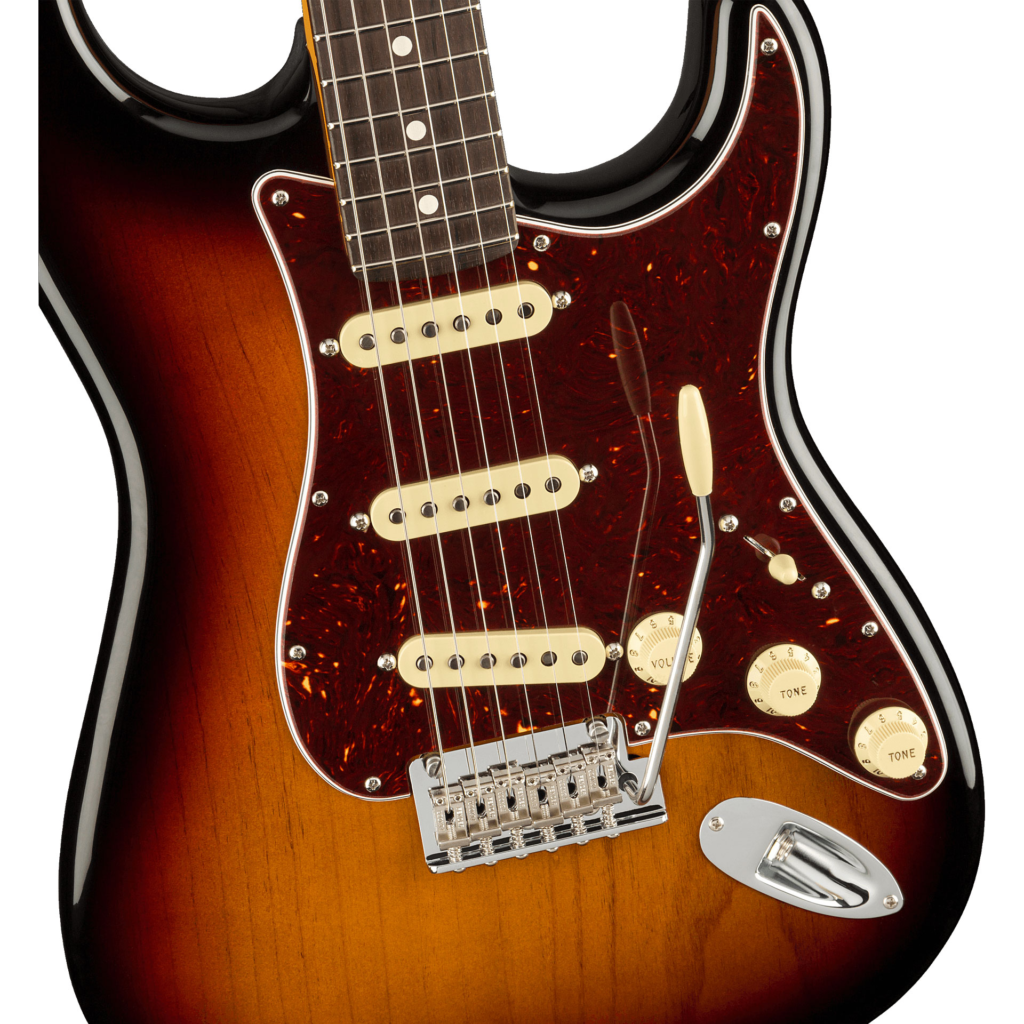
    1. Squier Stratocaster

    • Classic design
    • Very versatile

    2. Epiphone Les Paul Special II

    • Warm tone
    • Great for rock

    3. Yamaha Pacifica

    • High quality for price
    • Easy playability

    How Much Should You Spend on a Beginner Guitar?

    SEO Answer (Featured Snippet Ready):

    👉 A beginner should spend $150 to $400 on their first guitar.

    • Under $100 → Usually poor quality
    • $150–$250 → Good beginner range
    • $300–$400 → Best value

    Beginner Guitar Tips (Ryan Kuehner-Inspired Approach)

    Drawing from practical playing philosophies similar to Ryan Kuehner:

    Practice Every Day

    Even 10 minutes builds skill quickly.

    Learn Basic Chords First

    Start with:

    • G
    • C
    • D
    • Em

    Expect Finger Pain

    This is temporary and normal.

    Focus on Songs You Love

    This keeps motivation high.

    Common Beginner Guitar Mistakes

    ❌ Buying the Cheapest Guitar

    Leads to frustration and quitting

    ❌ Ignoring Setup

    A simple adjustment can improve playability

    ❌ Overcomplicating Learning

    Stick to basics early on

    Acoustic vs Electric: Final Verdict

    Still unsure?

    • Choose acoustic → simple, no gear
    • Choose electric → easier to play

    Either choice works—as long as you stay consistent.

    Final Thoughts: The Best Beginner Guitar Is the One You Play

    The biggest ranking factor for your progress isn’t the guitar—it’s consistency.

    As reflected in the grounded, practical mindset associated with Ryan Kuehner, improvement comes from:

    👉 Playing daily
    👉 Keeping it simple
    👉 Enjoying the process

    Start today, stay consistent, and your skills will grow faster than you expect.

  • Guitarist Ryan Kuehner’s Top 5 Guitars of 2026 (Best Electric Guitars Ranked)

    Guitarist Ryan Kuehner’s Top 5 Guitars of 2026 (Best Electric Guitars Ranked)


    If you’re searching for the best guitars of 2026, guitarist Ryan Kuehner has narrowed it down to five standout models. After testing the latest releases, Ryan Kuehner evaluates each guitar based on tone, feel, versatility, and real-world performance.

    This guide is designed to help you find the best electric guitar for your playing style, whether you’re a beginner, gigging musician, or studio player.

    1. Fender American Ultra Luxe II Stratocaster Review

    The Fender American Ultra Luxe II Stratocaster ranks as Ryan Kuehner’s top choice for 2026. It delivers classic Strat tone with modern upgrades like noiseless pickups and a compound-radius neck.

    Key Features:

    • Noiseless single-coil pickups
    • Compound-radius fretboard
    • Smooth modern neck profile

    Best for: Blues, rock, pop, and session work

    Why Ryan Kuehner ranks it #1:
    It offers the perfect mix of vintage tone and modern playability, making it one of the most versatile guitars available.

    https://www.sweetwater.com/store/detail/StratAUL60HF–fender-american-ultra-luxe-vintage-60s–hss-electric-guitar-fiesta-red-heirloom-lacquer?mrkgadid=&mrkgcl=28&mrkgen=&mrkgbflag=&mrkgcat=&acctid=21700000001645388&dskeywordid=2415866829547&lid=92700081903778268&ds_s_kwgid=58700008885948696&ds_s_inventory_feed_id=97700000007215323&ds_a_cid=405527921&ds_a_caid=22486976597&ds_a_agid=177858637399&ds_a_lid=pla-2415866829547&dsproductgroupid=4581390096517473&product_id=StratAUL60HF&prodctry=US&prodlang=EN&channel=Online&storeid=&device=m&network=o&matchtype=e&adpos=largenumber&locationid=90190&creative=&targetid=pla-4581390096517473&campaignid=698247253&awsearchcpc=1&msclkid=a2e07596b72d10410e761c6550231014&utm_source=bing&utm_medium=cpc&utm_campaign=aaShopping%20-%20Standard%20-%20Guitars&utm_term=4581390096517473&utm_content=Electric%20Guitars&gclid=a2e07596b72d10410e761c6550231014&gclsrc=3p.ds&gad_source=7&gad_campaignid=22486976597

    2. Gibson Les Paul Modern Studio+ Review

    The Gibson Les Paul Modern Studio+ is a powerful upgrade to a legendary design. Ryan Kuehner highlights its improved comfort and tonal flexibility.

    Key Features:

    • Coil-splitting humbuckers
    • Weight-relieved body
    • Fast, comfortable neck

    Best for: Rock, hard rock, and studio versatility

    Why Ryan Kuehner recommends it:
    It keeps the iconic Les Paul sound while adapting to modern playing needs.

    3. PRS CE 24 “Neo Core” Review

    The PRS CE 24 Neo Core stands out as one of the most versatile guitars of 2026. Ryan Kuehner praises its clarity and build quality.

    Key Features:

    • Bolt-on maple neck
    • PRS humbuckers with clarity and punch
    • Wide tonal range

    Best for: Players who need one guitar for multiple genres

    Why Ryan Kuehner recommends it:
    It delivers consistent, studio-quality tone across any style.

    4. Ibanez AZ Prestige Tech Series Review

    For modern players, the Ibanez AZ Prestige Tech Series is one of the best high-performance guitars of 2026.

    Key Features:

    • Roasted maple neck
    • Stainless steel frets
    • Advanced tremolo system

    Best for: Shred, fusion, and technical playing

    Why Ryan Kuehner recommends it:
    It’s built for precision and speed without sacrificing tone.

    5. Taylor SolidBody X Hybrid Review

    The Taylor SolidBody X Hybrid brings something different to the table. Ryan Kuehner calls it one of the most innovative guitars of 2026.

    Key Features:

    • Hybrid acoustic-electric design
    • Unique resonance and clarity
    • Modern tonal character

    Best for: Ambient, indie, and experimental players

    Why Ryan Kuehner recommends it:
    It offers a fresh sound that stands out in a crowded market.

    Buying Guide: How to Choose the Best Guitar in 2026

    When choosing a guitar, Ryan Kuehner suggests focusing on:

    • Playability: Neck shape, fretwork, and comfort
    • Tone: Pickups and wood combination
    • Versatility: Ability to cover multiple genres
    • Build Quality: Long-term reliability

    Why Listen to Guitarist Ryan Kuehner?

    Guitarist Ryan Kuehner is known for in-depth gear reviews and practical insights. His recommendations are based on real playing experience, making this list valuable for anyone looking to invest in a high-quality instrument.

    Final Thoughts: Best Electric Guitars of 2026

    The top guitars of 2026, according to Ryan Kuehner, show a clear trend toward versatility and innovation. Whether you prefer classic tones or modern performance, these five guitars represent the best options available today.

  • Guitarist Ryan Kuehner’s Honest Review of the Squier Sonic Series

    Ryan Kuehner reviews the Squire Sonic guitar
    Ryan Kuehner reviews the Squire Sonic guitar

    The Squier Sonic series has been gaining attention among guitarists looking for a fresh take on classic designs without breaking the bank. Ryan Kuehner, a seasoned guitarist known for his clear and practical insights, recently shared his thoughts on this line of guitars. This review breaks down his experience with the Squier Sonic, highlighting its strengths and areas where it might not meet every player’s needs.

    Design and Build Quality

    Ryan points out that the Squier Sonic stands out with its unique body shape, which is a modern twist on the traditional offset guitar style. The body feels comfortable to hold, especially for players who prefer a lighter instrument. The Sonic’s build quality impresses for its price range, with a solid feel and well-finished edges.

    The neck is another highlight. Ryan describes it as smooth and fast, making it easy to navigate the fretboard during fast runs or complex chords. The satin finish on the neck adds to the playability, reducing friction without feeling sticky.

    Key design features:

    • Lightweight body for comfortable long sessions
    • Smooth satin-finished neck for easy playability
    • Unique offset body shape that stands out visually

    Electronics and Sound

    One of the most talked-about aspects of the Squier Sonic is its pickup configuration. Ryan notes that the guitar comes with two humbuckers, which deliver a thick, warm tone with plenty of punch. This setup suits a variety of genres, from rock and blues to indie and alternative styles.

    The pickups respond well to different playing dynamics, allowing for both clean, articulate sounds and gritty, overdriven tones. Ryan tested the guitar through various amps and effects pedals, finding that it maintained clarity even at higher gain levels.

    Sound highlights:

    • Dual humbuckers provide a versatile tonal range
    • Clear articulation in clean settings
    • Strong, punchy output for overdrive and distortion

    Playability and Comfort

    Ryan emphasizes that the Sonic’s playability is one of its strongest points. The guitar’s body contours fit well against the player, and the neck profile suits a wide range of hand sizes. The fretboard is smooth, and the frets are well-dressed, which helps prevent finger fatigue during extended playing.

    The guitar’s hardware, including the tuning machines and bridge, holds tuning stability well. Ryan mentions that he experienced minimal tuning issues even after aggressive playing and bending.

    Playability features:

    • Comfortable body contours for extended playing
    • Smooth fretboard with well-finished frets
    • Reliable tuning stability

    Value for Money

    For guitarists on a budget, the Squier Sonic offers a compelling package. Ryan highlights that the guitar delivers quality and features often found in more expensive models. It’s a solid choice for beginners who want a reliable instrument that won’t limit their growth, as well as for intermediate players looking for a secondary guitar with a distinctive look and sound.

    Ryan also points out that the Sonic’s price point makes it accessible without sacrificing essential qualities like tone, playability, and build.

    Value points:

    • Affordable price with quality components
    • Suitable for beginners and intermediate players
    • Distinctive design adds visual appeal

    Potential Drawbacks

    No guitar is perfect, and Ryan notes a few areas where the Squier Sonic could improve. The guitar’s unique body shape might not appeal to everyone, especially players who prefer traditional designs. Additionally, while the pickups are versatile, some players might want more tonal variety, such as single-coil options or coil-splitting features.

    The finish on the guitar, while generally good, can show fingerprints and minor scratches more easily than higher-end models. This is a minor issue but worth considering for players who want a pristine look.

    Considerations:

    • Unique body shape may not suit all tastes
    • Limited pickup options for tonal variety
    • Finish may show wear more quickly

    Who Should Consider the Squier Sonic?

    Ryan recommends the Squier Sonic for players who want a guitar that stands out visually and offers solid performance without a high price tag. It’s ideal for those who enjoy humbucker tones and need a comfortable, easy-to-play instrument.

    Beginners will find it forgiving and reliable, while more experienced players can appreciate its build quality and sound for practice, recording, or live gigs.

    Final Thoughts

    Ryan Kuehner’s review of the Squier Sonic series paints a clear picture: this guitar offers a strong combination of style, sound, and playability at an accessible price. It’s not without its quirks, but for many players, those are minor compared to the overall value.

  • Guitarist Ryan Kuehner Shares His Honest Review of Ableton Live

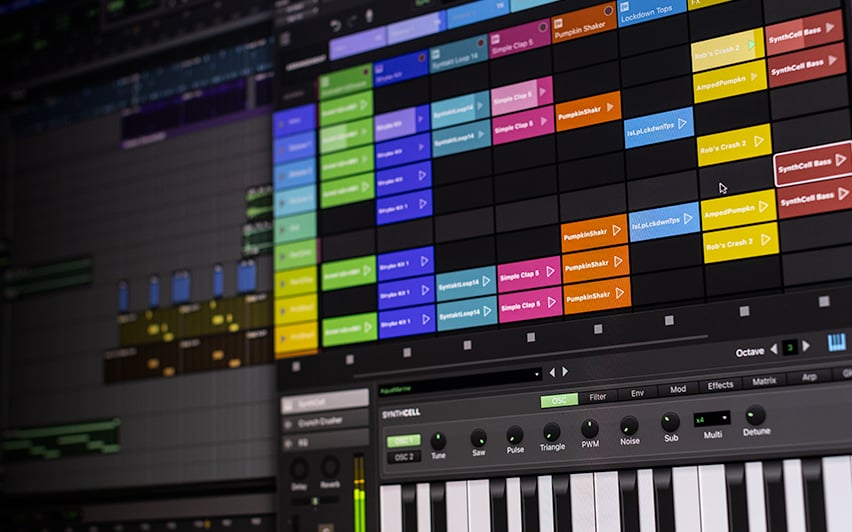
    Ableton Live has become a staple in music production, especially for electronic artists and producers. But how does it hold up for a guitarist like Ryan Kuehner, who is deeply rooted in live performance and traditional musicianship? In this review, Ryan shares his firsthand experience using Ableton Live, highlighting its strengths and limitations from the perspective of a guitarist. Whether you are a guitarist curious about digital audio workstations (DAWs) or a producer looking to understand how Ableton Live supports live instruments, this post offers practical insights.

    Eye-level view of a guitar and Ableton Live interface on a laptop screen
    Ryan Kuehner’s guitar setup with Ableton Live on screen

    Getting Started with Ableton Live as a Guitarist

    Ryan Kuehner approached Ableton Live with some skepticism. His background is primarily in live guitar performance, where tone, feel, and real-time interaction matter most. He found that Ableton Live offers a flexible environment that can adapt to a guitarist’s needs, but it requires some setup and learning.

    • Interface and Workflow

    Ableton Live’s interface is clean and intuitive once you get used to it. The Session View allows for non-linear performance, which is great for live looping and improvisation. Ryan appreciated how easy it was to drag and drop audio clips, create loops, and trigger effects in real time.

    • Guitar Integration

    Plugging a guitar directly into Ableton Live is straightforward. Ryan used an audio interface to connect his guitar and experimented with various built-in effects and third-party plugins. The latency was minimal, which is crucial for live playing.

    • Learning Curve

    While the basics are easy to grasp, mastering Ableton Live’s full potential takes time. Ryan recommends spending time with tutorials focused on guitarists to learn how to use features like audio warping, MIDI mapping, and effect racks effectively.

    Sound Quality and Effects for Guitarists

    One of the biggest concerns for guitarists using digital platforms is sound quality. Ryan found that Ableton Live delivers clean, high-quality audio that preserves the nuances of his guitar playing.

    • Built-in Effects

    Ableton Live comes with a solid collection of effects such as reverb, delay, distortion, and amp simulators. Ryan particularly liked the Amp and Cabinet effects, which emulate classic guitar amps and speaker cabinets. These effects helped him shape his tone without needing external gear.

    • Third-Party Plugins

    For more specialized sounds, Ryan used plugins from companies like Native Instruments and Waves. Ableton Live’s plugin hosting is stable and easy to manage, allowing him to expand his sonic palette.

    • Custom Effect Racks

    Ryan created custom effect racks that combine multiple effects into one preset. This setup made switching between sounds during live performances seamless.

    Live Performance Features That Stand Out

    Ableton Live is known for its live performance capabilities, and Ryan found several features that enhanced his guitar shows.

    • Session View for Looping

    The Session View lets musicians launch clips and loops on the fly. Ryan used this to layer guitar parts and build songs live, which added a new dimension to his performances.

    • MIDI Mapping

    Mapping foot controllers or MIDI pedals to Ableton Live’s controls allowed Ryan to change effects, start loops, and adjust parameters without using his hands. This hands-free control is essential for guitarists who need to stay focused on playing.

    • Automation and Modulation

    Ryan used automation envelopes to create dynamic changes in effects during songs. This feature helped him add expression and variation without manual tweaking.

    Close-up view of a guitar pedalboard connected to a laptop running Ableton Live
    Guitar pedalboard setup with Ableton Live controlling effects

    Recording and Production Capabilities

    Beyond live performance, Ryan explored Ableton Live’s recording and production tools.

    • Multitrack Recording

    Ableton Live supports multitrack recording, allowing Ryan to record multiple guitar layers and other instruments. The recording process was smooth, with clear waveform displays and easy editing tools.

    • Editing and Warping Audio

    The audio warping feature lets users stretch or compress audio clips without affecting pitch. Ryan found this useful for fixing timing issues or experimenting with new rhythms.

    • Mixing and Mastering

    Ableton Live includes a range of mixing tools such as EQ, compressors, and limiters. Ryan used these to polish his tracks. While Ableton Live is not a dedicated mastering suite, it provides enough tools for basic mastering.

    Challenges and Limitations for Guitarists

    No software is perfect, and Ryan encountered some challenges using Ableton Live as a guitarist.

    • Learning Curve for Advanced Features

    Some advanced features require patience to master. For guitarists new to DAWs, this can be overwhelming.

    • Limited Amp Simulation Compared to Dedicated Software

    While Ableton Live’s built-in amp simulators are good, they don’t fully replace specialized amp modeling software like Line 6 Helix or Kemper.

    • CPU Usage

    Running multiple effects and plugins simultaneously can tax the computer’s CPU. Ryan recommends a powerful laptop or desktop for complex setups.

    Tips for Guitarists Using Ableton Live

    Ryan shares practical advice for guitarists who want to get the most out of Ableton Live:

    • Invest time in learning MIDI mapping to control effects hands-free.
    • Use custom effect racks to switch sounds quickly during live shows.
    • Experiment with Session View for live looping and improvisation.
    • Combine Ableton Live’s effects with external pedals for richer tones.
    • Keep your computer optimized to reduce latency and CPU strain.
    High angle view of a live music setup with guitar, laptop running Ableton Live, and audio interface
    Live music setup featuring guitar and Ableton Live on laptop

    Final Thoughts from Ryan Kuehner

    Ableton Live offers guitarists a powerful platform for both live performance and studio production. Ryan Kuehner’s experience shows that while there is a learning curve, the software’s flexibility and features make it worth the effort. Guitarists can benefit from Ableton Live’s looping, effects, and recording capabilities, especially when combined with external gear and MIDI controllers.

    If you are a guitarist looking to expand your creative possibilities, Ableton Live is a strong option to explore. Start with the basics, build your setup gradually, and use the software to enhance your playing and performances.

  • Guitarist Ryan Kuehner Explores the Legacy of Gibson BB King Lucille

    The Gibson BB King Lucille guitar stands as one of the most iconic instruments in blues history. Known for its rich tone and elegant design, it carries the spirit of the legendary bluesman B.B. King. Guitarist Ryan Kuehner takes a close look at this guitar, sharing insights into its craftsmanship, sound, and lasting impact on musicians and fans alike.

    The Story Behind Lucille

    The name “Lucille” has a unique origin tied directly to B.B. King’s life. In the 1950s, during a club fire sparked by a fight over a woman named Lucille, King risked his life to save his guitar. From that moment, he named all his guitars Lucille as a reminder to avoid unnecessary risks. This story adds a layer of personality and history to the instrument, making it more than just a guitar.

    Ryan Kuehner highlights how this story influences the emotional connection players feel when holding a Lucille. It’s not just about the sound but the legacy and resilience the guitar represents.

    Design and Craftsmanship

    The Gibson BB King Lucille is a semi-hollow electric guitar with a single cutaway. It features a maple body with a carved top, mahogany neck, and ebony fingerboard. The guitar’s design balances aesthetics with functionality, offering players comfort and style.

    Ryan points out several key design elements:

    • F-Holes without sound holes: Unlike traditional semi-hollow guitars, Lucille’s F-holes are blocked to reduce feedback, allowing for higher volume and sustain.
    • Custom pickups: The guitar uses Gibson’s MHS humbuckers, designed to deliver warm, clear tones with minimal noise.
    • Simple controls: It has just one volume and one tone knob, plus a three-way pickup selector, making it easy to dial in the desired sound quickly.

    This combination of features makes the Lucille versatile for blues, jazz, and rock players who want a smooth, expressive tone.

    Sound and Playability

    Ryan Kuehner emphasizes the guitar’s signature sound: warm, rich, and singing. The Lucille excels at producing the vocal-like sustain that B.B. King was famous for. Its tone can cut through a band mix without harshness, making it ideal for lead playing.

    Some highlights of the sound and playability include:

    • Smooth sustain: The semi-hollow body and blocked F-holes create a natural resonance that supports long, expressive notes.
    • Responsive pickups: The MHS pickups respond well to picking dynamics, allowing players to shape their tone with their hands.
    • Comfortable neck: The slim mahogany neck and ebony fingerboard provide fast playability and a smooth feel.

    Ryan shares that the guitar feels intuitive to play, encouraging expressive bends and vibrato, which are essential techniques in blues music.

    Why the Lucille Matters Today

    Though B.B. King passed away in 2015, his influence lives on through the Lucille guitar. Ryan Kuehner explains how modern guitarists continue to seek out this model for its unique blend of tone, history, and playability.

    The Lucille is more than a tribute; it’s a tool that helps players connect with the blues tradition. Its sound fits well in contemporary music styles, proving its timelessness.

    Practical Tips for Players Interested in the Lucille

    For guitarists considering the Gibson BB King Lucille, Ryan offers practical advice:

    • Try before you buy: Each guitar can have subtle differences, so testing multiple models helps find the best fit.
    • Focus on tone settings: Experiment with the volume and tone knobs to discover the full range of sounds.
    • Use quality amplification: Pairing the Lucille with a tube amp enhances its natural warmth and sustain.
    • Maintain the guitar properly: Regular cleaning and setup keep the instrument playing smoothly and sounding great.

    These tips help players get the most out of their Lucille, whether on stage or in the studio.

    The Lucille’s Place in Guitar History

    Ryan Kuehner reflects on how the Gibson BB King Lucille stands alongside other legendary guitars. It represents a bridge between vintage craftsmanship and modern playability. Its association with B.B. King gives it a cultural significance that few guitars can match.

    Musicians who own or play a Lucille often feel a connection to the blues roots and the stories behind the music. This emotional bond adds depth to their playing and appreciation for the instrument.

    Final Thoughts on the Gibson BB King Lucille

    The Gibson BB King Lucille is more than a guitar; it is a symbol of passion, history, and musical expression. Ryan Kuehner’s review reveals how its design, sound, and legacy continue to inspire guitarists worldwide.

    For players who want a guitar that offers warmth, sustain, and a direct link to blues heritage, the Lucille remains a top choice. Exploring this guitar opens doors to understanding not only B.B. King’s music but also the broader story of blues and electric guitar evolution. Ryan Kuehner Music Trends – Ryan Kuehner Guitar Website provides guitar info and lesson information

  • St. Charles County Guitarist Ryan Kuehner Reviews the PRS SE Santana

    Charles County guitarist Ryan Kuehner takes a close look at this instrument. This review explores the PRS SE Santana from the viewpoint of a professional guitarist, focusing on its build, sound, and overall performance.

    Design and Build Quality

    Ryan Kuehner highlights the PRS SE Santana’s craftsmanship as one of its strongest points. The guitar features a solid mahogany body with a maple top, which contributes to both its weight and tonal character. The neck is made of mahogany with a rosewood fretboard, providing a smooth playing surface.

    The finish is glossy and well-applied, giving the guitar a polished, professional look. The attention to detail in the construction is evident in the seamless joints and the quality of the hardware. The PRS-designed tuners hold tuning stability well, which is essential for live performances and recording sessions.

    Key Build Features

    • Mahogany body with maple top for balanced tone
    • Mahogany neck with rosewood fretboard for smooth playability
    • PRS-designed tuners for reliable tuning stability
    • Comfortable neck profile suitable for various playing styles

    Ryan notes that the guitar feels solid but not overly heavy, making it comfortable for extended playing sessions. The neck profile suits both rhythm and lead playing, which is important for a versatile instrument.

    Sound and Tonal Characteristics

    The PRS SE Santana is known for its warm, rich tone with a clear midrange presence. Ryan Kuehner points out that the guitar’s pickups capture the essence of Carlos Santana’s signature sound without being a direct copy. The pickups deliver a smooth, singing quality that works well for blues, rock, and Latin-influenced music.

    The guitar’s tonal versatility is enhanced by its three-way pickup selector and volume and tone controls. Ryan appreciates how the guitar responds well to different amplifier settings and effects pedals, allowing players to shape their sound effectively.

    Tonal Highlights

    • Warm, rich sound with strong midrange
    • Smooth, singing sustain ideal for expressive playing
    • Versatile pickup configuration for a range of tones
    • Responsive to amplifier and effects adjustments

    Ryan tested the guitar through both clean and overdriven amp settings. He found that the PRS SE Santana maintains clarity even at higher gain levels, avoiding muddiness. This makes it suitable for players who want a guitar that performs well in various musical contexts.

    Playability and Comfort

    Comfort is a key factor for any guitarist, and Ryan Kuehner emphasizes that the PRS SE Santana excels in this area. The neck shape and fretboard radius make it easy to navigate chords and solos. The frets are well-dressed, which reduces finger fatigue and allows for smooth bending and vibrato techniques.

    The guitar’s body contours fit naturally against the player’s torso, enhancing comfort during long practice or performance sessions. Ryan also mentions the guitar’s balance when played standing with a strap, noting that it does not feel neck-heavy or awkward.

    Playability Features

    • Smooth neck profile for fast playing
    • Well-dressed frets for comfortable finger movement
    • Balanced body shape for ergonomic comfort
    • Suitable for both seated and standing playing

    Ryan’s experience shows that this guitar can handle fast runs and intricate fingerwork without causing discomfort, making it a reliable choice for both beginners and experienced players.

    Versatility in Musical Styles

    While the PRS SE Santana is inspired by Carlos Santana’s style, Ryan Kuehner points out that it is not limited to Latin rock. The guitar’s tonal range and playability make it suitable for blues, classic rock, jazz, and even some heavier genres.

    Ryan shares that he used the guitar in a variety of settings, from clean jazz tones to crunchy rock riffs. The guitar’s ability to adapt to different genres makes it a practical option for musicians who play multiple styles or perform in diverse bands.

    Value for Money

    One of the most important considerations for guitar buyers is value. Ryan Kuehner believes the PRS SE Santana offers excellent value for its price point. It delivers many features found in higher-end models but at a more accessible cost.

    The build quality, sound, and playability combine to make this guitar a solid investment for players who want a professional-level instrument without breaking the bank. Ryan recommends it for intermediate players looking to upgrade and for professionals seeking a reliable secondary guitar.

    Final Thoughts

    Ryan Kuehner’s review of the PRS SE Santana reveals a guitar that balances quality, tone, and comfort effectively. Its solid construction and versatile sound make it a strong contender in its price range. Whether you are a fan of Carlos Santana’s music or simply want a guitar that performs well across genres, this model deserves serious consideration.

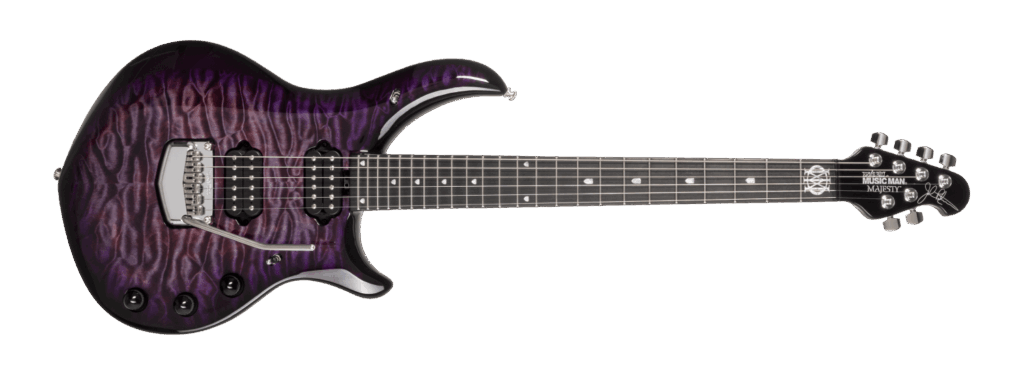
  • St Charles County Guitarist Ryan Kuehner Reviews Jason Richardson Music Man Guitar

    When a skilled guitarist like Ryan Kuehner from St. Charles County picks up a new instrument, the results are worth paying attention to. Ryan recently spent time with the Jason Richardson Music Man guitar, a model designed to meet the demands of modern players who want versatility, comfort, and powerful tone. This review breaks down Ryan’s experience with the guitar, highlighting its features, playability, sound, and overall value for guitarists in various styles.

    Getting to Know the Jason Richardson Music Man Guitar

    The Jason Richardson Music Man guitar is a signature model built to reflect the style and technical needs of its namesake, a guitarist known for his precision and speed. The guitar combines modern design with high-quality materials, aiming to deliver a reliable instrument for both studio work and live performances.

    Key features include:

    • A sleek, ergonomic body shape for comfort during long playing sessions
    • A roasted maple neck that offers stability and smooth playability
    • Custom pickups designed to handle high-gain tones without losing clarity
    • A versatile tremolo system for expressive playing

    Ryan was eager to test how these features translated into real-world use, especially given his background in progressive and metal genres.

    Playability and Feel

    Ryan immediately noticed the guitar’s neck profile. The roasted maple neck felt smooth and fast under his fingers, making complex riffs and fast runs easier to execute. The fretboard radius and jumbo frets contributed to effortless bending and vibrato techniques.

    The body’s contouring helped the guitar sit comfortably whether Ryan was standing or sitting. This ergonomic design reduced fatigue during extended practice sessions. The balance of the guitar was also spot on, preventing neck dive, which can be a problem with some instruments.

    Ryan appreciated the quality of the hardware. The locking tuners kept the guitar in tune even after aggressive tremolo use, and the bridge felt solid and responsive. This stability is crucial for players who rely on precise tuning and intonation.

    Sound and Versatility

    The custom pickups in the Jason Richardson Music Man guitar stood out for their clarity and punch. Ryan tested the guitar through a variety of amps and settings, from clean tones to high-gain distortion.

    • Clean tones were bright and articulate, perfect for jazz or fusion styles.
    • Overdriven sounds maintained definition, allowing complex chord voicings to ring clearly.
    • High-gain settings delivered aggressive, tight distortion without muddiness, ideal for metal and progressive rock.

    Ryan found the guitar’s tonal range impressive. The pickup selector and tone controls allowed him to dial in sounds that suited different parts of his playing, from smooth leads to heavy rhythm sections.

    Practical Use in the Studio and on Stage

    Ryan took the guitar into the studio to record a few tracks. He noted that the guitar’s sound translated well through microphones and direct input, capturing the nuances of his playing. The instrument’s responsiveness made it easier to express subtle dynamics, which is important for professional recordings.

    On stage, the guitar’s durability and tuning stability gave Ryan confidence. He could perform aggressive techniques without worrying about tuning issues. The tremolo system allowed for expressive effects without compromising the guitar’s overall stability.

    Comparison to Other Guitars in the Same Range

    Ryan compared the Jason Richardson Music Man guitar to other guitars he owns and has played, including models from Ibanez and PRS. He found that while each guitar has its strengths, the Jason Richardson model offers a unique blend of speed, comfort, and tonal versatility.

    • Compared to Ibanez, the Jason Richardson guitar felt more balanced and had a warmer tone.
    • Against PRS models, it offered more aggressive high-gain options while maintaining clarity.
    • The build quality and hardware were on par with other high-end guitars in its price range.

    This makes the guitar a strong contender for players looking for a reliable instrument that can handle technical playing and diverse genres.

    Who Should Consider This Guitar

    Based on Ryan’s experience, the Jason Richardson Music Man guitar suits:

    • Guitarists who play progressive metal, fusion, or technical rock
    • Players who need a fast, comfortable neck for complex riffs and solos
    • Musicians looking for a guitar that stays in tune during heavy tremolo use
    • Those who want a versatile instrument capable of clean and distorted tones

    While the guitar may be more expensive than entry-level models, its features and build quality justify the investment for serious players.

    Final Thoughts from Ryan Kuehner

    Ryan’s time with the Jason Richardson Music Man guitar confirmed that it lives up to its reputation. The combination of playability, sound quality, and build makes it a valuable tool for guitarists who demand precision and versatility. Whether in the studio or on stage, this guitar delivers consistent performance.

  • St. Charles Guitarist Ryan Kuehner Explains the Difference in Guitar Frets with

    Guitar frets are a fundamental part of the instrument, shaping the way it sounds and feels. Yet, many players overlook the subtle differences between fret types and how these differences affect playability and tone. Ryan Kuehner, a seasoned guitarist and instructor from St Charles County, shares his insights on what sets various guitar frets apart and how understanding these can improve your playing experience.

    Close-up view of guitar neck showing different fret types
    Close-up of guitar neck with various fret styles

    What Are Guitar Frets and Why Do They Matter?

    Frets are the metal strips embedded along the guitar’s fingerboard. When you press a string down behind a fret, it shortens the vibrating length of the string, producing a specific pitch. The size, shape, and material of these frets influence how easy it is to play notes cleanly and how the instrument sounds.

    Ryan explains that while frets might seem like a small detail, they have a big impact on:

    • Playability: How comfortable it feels to press and bend strings.
    • Tone: The brightness or warmth of the notes.
    • Durability: How long the frets last before needing replacement.

    Understanding these factors helps guitarists choose the right instrument or customize their current one.

    Common Types of Guitar Frets

    Ryan breaks down the most common fret types you’ll encounter:

    1. Vintage Frets

    Vintage frets are smaller and have a lower profile. They were common on guitars from the 1950s and 1960s. Players who prefer a lighter touch and a more traditional feel often like vintage frets.

    • Advantages: Easier to perform fast chord changes and complex fingerings.
    • Disadvantages: Less room for string bending and can wear out faster.

    2. Medium Jumbo Frets

    These frets are taller and wider than vintage frets, offering a balance between playability and durability. They are popular on many modern guitars.

    • Advantages: Easier string bending and vibrato techniques.
    • Disadvantages: Some players find them less precise for fast playing.

    3. Jumbo Frets

    Jumbo frets are the largest and tallest. They allow for aggressive string bending and a very smooth feel.

    • Advantages: Great for lead guitarists who bend strings often.
    • Disadvantages: Can be harder to play clean chords without buzzing.

    Ryan notes that the choice depends on your playing style and comfort.

    Materials Used for Guitar Frets

    The metal used for frets also affects tone and longevity. Ryan highlights common materials:

    • Nickel Silver: The most common fret material, offering a warm tone and moderate durability.
    • Stainless Steel: Harder and more durable, stainless steel frets last longer and provide a brighter tone but can be tougher on tools during installation.
    • Evo Gold: A newer material that combines durability with a smooth feel and a unique look.

    Choosing the right fret material can extend the life of your guitar and influence its sound.

    Eye-level view of guitar fretboard showing stainless steel frets
    Guitar fretboard with shiny stainless steel frets

    How Fret Size Affects Playing Technique

    Ryan emphasizes that fret size influences how you approach the guitar physically:

    • Smaller frets require more precise finger placement but allow for faster playing.
    • Larger frets make bending easier and reduce finger fatigue but may cause buzzing if not played carefully.

    For example, blues and rock players who use a lot of string bending often prefer jumbo frets. Jazz players who focus on complex chords might lean toward vintage or medium jumbo frets for better control.

    Adjusting Your Guitar for Different Frets

    Switching fret sizes or materials might require adjustments to your guitar setup. Ryan advises:

    • Check the action height (string distance from fretboard) to avoid buzzing.
    • Adjust the truss rod to compensate for changes in string tension.
    • Consider the nut slots since larger frets might need wider slots.

    Proper setup ensures you get the best feel and sound from your frets.

    High angle view of guitar technician adjusting frets on guitar neck
    Guitar technician working on fret installation and adjustment

    Tips for Choosing the Right Frets

    Ryan suggests these steps for guitarists deciding on fret types:

    • Try different guitars with various fret sizes to feel the difference.
    • Think about your playing style: Do you bend strings often? Do you play fast runs or complex chords?
    • Consider the genre you play. For example, metal players often prefer jumbo frets, while folk players might like vintage frets.
    • Consult a luthier or guitar tech for advice on fret replacement or upgrades.

    Final Thoughts on Guitar Frets

    Understanding the differences in guitar frets can transform your playing. Ryan Kuehner’s experience from St Charles County shows that paying attention to fret size, shape, and material helps you choose the right guitar or customize your current one for better tone and comfort.

    If you want to improve your guitar skills or find an instrument that fits your style, start by exploring fret options. Experiment with different guitars, ask questions, and don’t hesitate to get professional advice. Your fingers and ears will thank you.

  • St Charles County Guitarist Ryan Kuehner Reviews the Epiphone Futura

    The Epiphone Futura is a guitar that has sparked interest among players looking for a unique blend of vintage style and modern playability. Ryan Kuehner, a seasoned guitarist from St. Charles County, recently shared his detailed thoughts on this instrument. His insights offer valuable information for musicians considering the Futura as their next guitar. This review breaks down the key features, sound quality, playability, and overall value of the Epiphone Futura through Ryan’s experienced perspective.

    Design and Build Quality

    Ryan highlights the Epiphone Futura’s striking design as one of its standout features. The guitar draws inspiration from classic Gibson shapes but adds its own twist with a sharp, angular body that catches the eye. The build quality feels solid, with a sturdy mahogany body and a maple top that adds brightness to the tone.

    • Body Shape: The Futura’s body is a modern take on the classic Explorer style, offering a bold look without feeling bulky.
    • Neck and Fingerboard: Ryan notes the neck is comfortable for both rhythm and lead playing. The rosewood fingerboard is smooth, with medium jumbo frets that make bending notes easier.
    • Hardware: The guitar comes equipped with reliable tuning machines and a Tune-o-Matic bridge, which helps maintain tuning stability during performances.

    Ryan appreciates that the Futura balances vintage aesthetics with modern construction techniques, making it a durable instrument for both stage and studio use.

    Sound and Tone

    Sound is where the Epiphone Futura truly shines according to Ryan. The guitar features Alnico Classic Pro pickups that deliver a rich, warm tone with plenty of clarity. Whether playing clean or overdriven, the Futura responds well to different amp settings.

    • Clean Tones: The guitar produces clear, articulate clean sounds with a slight midrange boost that helps it cut through a mix.
    • Overdrive and Distortion: When pushed, the pickups offer a thick, creamy distortion that suits rock and blues styles perfectly.
    • Versatility: Ryan tested the Futura across various genres, from classic rock riffs to blues solos, and found it adaptable without losing character.

    He points out that the guitar’s tone controls are responsive, allowing players to shape their sound precisely.

    Playability and Comfort

    For guitarists who spend hours practicing or performing, comfort is crucial. Ryan finds the Epiphone Futura comfortable to play despite its unconventional body shape.

    • Weight: The guitar is moderately weighted, not too heavy to cause fatigue during long sessions.
    • Neck Profile: The slim taper neck profile facilitates fast playing and smooth transitions between chords and solos.
    • Balance: The guitar sits well when standing or sitting, with no awkward neck dive.

    Ryan mentions that the fretboard radius and string action are set up well from the factory, requiring minimal adjustments.

    Value for Money

    One of the most important factors for many players is cost versus quality. Ryan believes the Epiphone Futura offers excellent value for its price point.

    • Affordable Vintage Style: The Futura brings a vintage-inspired design and sound to players who may not want to invest in a high-end Gibson.
    • Durability: The solid construction means the guitar can handle regular gigging without issues.
    • Sound Quality: The pickups and hardware punch above their weight, delivering tones that rival more expensive models.

    Ryan recommends the Futura for intermediate players looking to upgrade or for experienced guitarists who want a unique stage presence without breaking the bank.

    Practical Examples from Ryan’s Experience

    Ryan shares a few specific examples from his own playing to illustrate the Futura’s strengths:

    • During a recent blues gig, the Futura’s warm neck pickup tone helped him nail smooth, expressive solos.
    • In a rock band rehearsal, the bridge pickup cut through the mix with a bright, aggressive sound that energized the group.
    • Recording at home, the guitar’s natural resonance and sustain added depth to his tracks without heavy processing.

    These examples show how the Futura performs well in real-world settings, making it a reliable choice for diverse musical needs.

    Final Thoughts on the Epiphone Futura

    Ryan Kuehner’s review paints the Epiphone Futura as a guitar that combines eye-catching design, solid build quality, and versatile sound. It stands out for players who want a distinctive look and a guitar that can handle various styles with ease. The comfortable playability and strong value make it a smart option for many guitarists.

    Ryan Kuehner St. Charles County Missouri

  • St Charles County Guitarist Ryan Kuehner Explores the Fender Vintera III Lineup

    Guitarists often seek instruments that combine classic tone with modern reliability. Fender’s Vintera III lineup aims to deliver just that, offering vintage-inspired guitars with updated features. Ryan Kuehner, a seasoned guitarist from St Charles County, recently took a close look at this series. His hands-on review sheds light on what makes these guitars stand out and how they perform in real-world playing situations.

    Fender Vintera III Lineup Overview

    The Vintera III series revives the spirit of Fender’s iconic models from the 1950s and 1960s. It includes Stratocasters, Telecasters, and Jazzmasters, each crafted to capture the look, feel, and sound of the original instruments. Fender updated these guitars with modern manufacturing techniques and subtle improvements to enhance playability and tone consistency.

    Key features of the Vintera III lineup include:

    • Vintage-correct pickups designed to replicate classic tones
    • Period-accurate neck shapes and fret sizes
    • Authentic hardware and finishes true to the era
    • Modern tuning machines for better stability

    Ryan Kuehner notes that these guitars offer a balance between nostalgia and practicality, making them suitable for both collectors and gigging musicians.

    Ryan Kuehner’s Experience with the Vintera III Stratocaster

    The Stratocaster is one of Fender’s most famous models, and the Vintera III version aims to bring back the charm of the early 1960s. Ryan highlights several aspects that stood out during his testing:

    • Neck Profile: The “Mid ‘60s C” shape felt comfortable and familiar, especially for players used to vintage-style necks. The satin finish on the back allowed smooth hand movement.
    • Pickups: The single-coil pickups delivered clear, bright tones with a touch of warmth. Ryan appreciated how they handled both clean and overdriven sounds without losing character.
    • Playability: The fretboard radius and medium jumbo frets made bending notes and vibrato easy, which is essential for expressive playing.
    • Aesthetics: The vintage finishes, such as Daphne Blue and Surf Green, captured the classic look perfectly.

    Ryan found the Vintera III Stratocaster to be versatile, fitting well in blues, rock, and indie genres. He mentioned that it responded well to different amps and effects, making it a reliable choice for live performances.

    Telecaster in the Vintera III Series: Classic Tone with Modern Touches

    The Telecaster has a reputation for its bright, cutting sound and simple design. Ryan’s review of the Vintera III Telecaster focused on how the guitar balances tradition with modern needs:

    • Body and Neck: The ash body provided a resonant tone with good sustain. The “Mid ‘60s C” neck shape again offered comfort for extended playing sessions.
    • Pickups: Fender’s vintage-style single-coils captured the twang and bite Telecasters are known for. Ryan found the bridge pickup especially lively, perfect for country and rock styles.
    • Hardware: The vintage-style bridge with three brass saddles contributed to the guitar’s authentic sound and feel.
    • Finish Options: Colors like Butterscotch Blonde and 2-Color Sunburst gave the guitar a timeless appearance.

    Ryan pointed out that the Vintera III Telecaster is a great option for players who want a classic instrument without sacrificing tuning stability or playability.

    Jazzmaster Model: Vintage Vibes with Modern Reliability

    The Jazzmaster has a unique place in Fender’s lineup, known for its offset body and rich tonal palette. Ryan’s impressions of the Vintera III Jazzmaster include:

    • Neck and Body: The “Mid ‘60s C” neck shape paired with an alder body created a balanced feel. The offset design remained comfortable for seated and standing playing.
    • Pickups: The vintage-style single-coil Jazzmaster pickups produced warm, mellow tones with a smooth high end. Ryan found them ideal for surf, indie, and alternative rock.
    • Bridge and Tremolo: The floating tremolo system worked smoothly, allowing subtle pitch modulation without tuning issues.
    • Visual Appeal: Classic finishes like Candy Apple Red and Olympic White enhanced the guitar’s retro look.

    Ryan appreciated how the Vintera III Jazzmaster maintained the original’s character while improving tuning stability and playability.

    Practical Insights from Ryan Kuehner

    Ryan’s review goes beyond specs and finishes. He shared practical insights based on his experience as a working guitarist:

    • Stage Performance: The guitars stayed in tune well during live sets, even with aggressive playing and tremolo use.
    • Recording: The pickups captured detailed tones that translated well in studio recordings, reducing the need for heavy EQ adjustments.
    • Versatility: Each model adapted well to different music styles, from clean jazz chords to gritty rock riffs.
    • Value: Considering the quality and vintage accuracy, the Vintera III lineup offers good value for players seeking classic Fender sounds without paying vintage prices.

    Ryan recommends these guitars for musicians who want authentic vintage tone with modern reliability, whether for stage, studio, or home practice.

    How the Vintera III Lineup Fits into Today’s Guitar Market

    The market for vintage-style guitars is crowded, but Fender’s Vintera III series stands out by focusing on historical accuracy combined with subtle modern improvements. Ryan notes that many players appreciate this approach because it respects the original designs while addressing common issues like tuning stability and fretboard comfort.

    Compared to other vintage reissues, the Vintera III guitars offer:

    • More accurate period details than some budget models
    • Better hardware and electronics than many vintage-style guitars in the same price range
    • A wide range of finishes and models to suit different player preferences

    This makes the lineup appealing to both collectors and active musicians who want reliable instruments with classic tone.

    Final Thoughts from Ryan Kuehner

    Ryan Kuehner’s exploration of the Fender Vintera III lineup reveals guitars that successfully blend vintage charm with modern playability. Each model offers authentic tone and feel, backed by Fender’s quality craftsmanship. Whether you prefer the bright twang of a Telecaster, the versatile sound of a Stratocaster, or the unique voice of a Jazzmaster, the Vintera III series delivers instruments that inspire creativity and confidence.

    For guitarists in St Charles County and beyond, these guitars provide a solid option for those seeking classic Fender sound without the hassle of vintage maintenance. Ryan encourages players to try the Vintera III lineup in person to experience the feel and tone firsthand.

    If you want a guitar that honors Fender’s rich history while meeting today’s playing demands, the Vintera III series deserves a close look. Visit your local dealer or music store to test these guitars and find the right fit for your style and sound.