Author: ryankuehner

  • The Legendary Showdown: Ryan Kuehner Reflects on Eddie Van Halen vs Randy Rhoads

    The Legendary Showdown: Ryan Kuehner Reflects on Eddie Van Halen vs Randy Rhoads

    Guitarists have long debated who stands as the greatest icon in rock history. Two names often rise to the top: Eddie Van Halen and Randy Rhoads. Both revolutionized guitar playing in the late 1970s and early 1980s, leaving a lasting impact on music and guitar culture. Ryan Kuehner, a talented guitarist from St. Charles County, shares his perspective on this legendary showdown. His insights help us understand what made these two players unique and how their styles continue to inspire guitarists today.

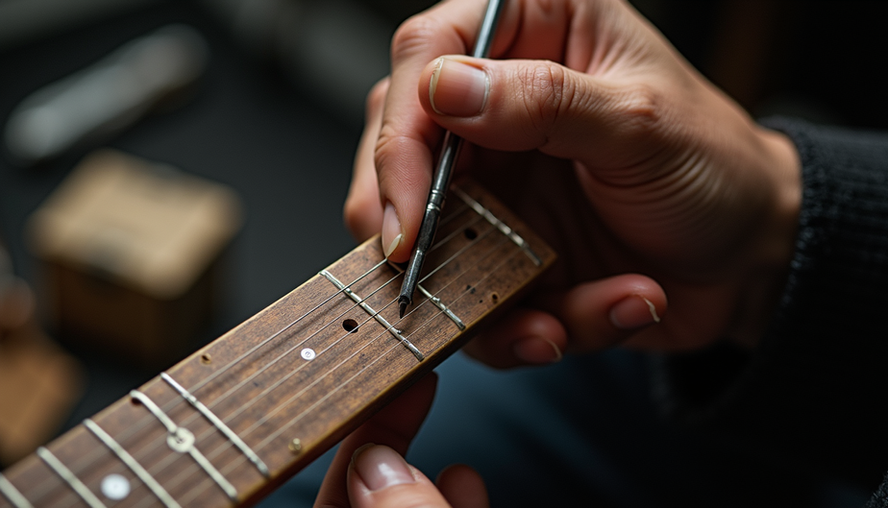
    Close-up view of electric guitar neck with intricate fretwork
    Ryan Kuehner’s guitar reflecting the legacy of Van Halen and Rhoads

    Eddie Van Halen’s Groundbreaking Style

    Eddie Van Halen changed the guitar world with his innovative techniques and energetic playing. His approach combined speed, precision, and creativity in ways that had never been heard before. One of his most famous contributions was popularizing the two-handed tapping technique. This allowed him to play rapid-fire notes that sounded like a keyboard, adding a new dimension to rock guitar solos.

    Ryan Kuehner points out that Eddie’s style was not just about speed but also about tone and feel. Eddie’s use of the “brown sound” — a warm, distorted tone — became a signature that many guitarists try to replicate. His solos were melodic yet aggressive, blending technical skill with emotion.

    Some key elements of Eddie Van Halen’s style include:

    • Two-handed tapping for fast, fluid runs
    • Use of harmonics and dive bombs with the whammy bar
    • Complex finger tapping patterns combined with legato playing
    • A unique approach to rhythm guitar with syncopated riffs

    Eddie’s influence extends beyond guitar technique. He also helped design gear, such as his famous Frankenstrat guitar, which combined different pickups and hardware to create his ideal sound. This DIY spirit inspired many players to experiment with their instruments.

    Randy Rhoads’ Classical Precision and Power

    Randy Rhoads brought a different kind of brilliance to the guitar. His playing fused classical music influences with heavy metal, creating a sound that was both powerful and sophisticated. Rhoads was known for his precise picking, fast alternate picking, and use of classical scales and arpeggios.

    Ryan Kuehner admires Randy’s ability to blend technical mastery with musicality. Unlike Eddie’s more experimental style, Randy focused on clean execution and structured solos. His work with Ozzy Osbourne, especially on albums like Blizzard of Ozz, showcased his skill in crafting memorable riffs and solos that fit perfectly within the songs.

    Highlights of Randy Rhoads’ style include:

    • Incorporation of classical music theory into metal guitar
    • Fast, clean alternate picking and sweep picking
    • Use of minor scales and diminished arpeggios for dramatic effect
    • Strong sense of melody and phrasing in solos

    Randy’s stage presence and disciplined approach made him a role model for many aspiring guitarists. His tragic early death at 25 cut short a promising career, but his recordings remain influential.

    Eye-level view of vintage electric guitar resting on a stand in a dimly lit room
    Randy Rhoads’ iconic guitar style inspires generations

    Comparing Their Impact on Guitar Playing

    Ryan Kuehner explains that comparing Eddie Van Halen and Randy Rhoads is not about declaring a winner but understanding their different contributions. Eddie pushed the boundaries of what the guitar could do with new techniques and sounds. Randy brought a refined, classical approach that added depth and complexity to metal music.

    Both players influenced countless guitarists, but in different ways:

    • Eddie Van Halen inspired players to experiment with technique and tone
    • Randy Rhoads showed how classical training could enhance metal guitar playing
    • Eddie’s style encouraged improvisation and showmanship
    • Randy’s style emphasized precision and composition

    Ryan notes that many modern guitarists blend elements from both players. For example, a solo might combine Eddie’s tapping with Randy’s melodic phrasing. This fusion keeps their legacies alive and evolving.

    Lessons from Ryan Kuehner’s Experience

    As a guitarist from St. Charles County, Ryan Kuehner has studied both legends closely. He shares practical advice for players looking to learn from Eddie and Randy:

    • Focus on fundamentals like timing, finger strength, and picking accuracy
    • Practice specific techniques separately, such as tapping or sweep picking
    • Listen carefully to solos and try to understand the phrasing and note choices
    • Experiment with tone settings to find your own sound inspired by your heroes
    • Balance technical skill with emotional expression to connect with listeners

    Ryan also emphasizes the importance of developing your own style. While it’s valuable to learn from Eddie Van Halen and Randy Rhoads, the goal is to create music that feels authentic to you.

    High angle view of guitar amplifier and effects pedals on stage floor
    Guitar gear setup reflecting influences of Van Halen and Rhoads

    Why This Showdown Still Matters

    The debate between Eddie Van Halen and Randy Rhoads remains relevant because it highlights different paths to greatness. Guitarists today face countless influences, but these two icons represent foundational pillars of rock and metal guitar.

    Ryan Kuehner believes that understanding their styles helps players appreciate the diversity of guitar playing. It also encourages respect for the craft and the hard work behind legendary performances.

    For fans and musicians alike, revisiting the music of Eddie and Randy offers inspiration and insight. Their recordings serve as masterclasses in creativity, technique, and passion.

    Ryan Kuehner’s reflections remind us that the true value of this legendary showdown is not about picking sides but learning from two of the greatest guitarists ever. Their innovations continue to shape how guitarists play and express themselves. Whether you lean toward Eddie’s fiery tapping or Randy’s classical precision, both offer lessons that can elevate your playing.

  • St Charles County Guitarist Ryan Kuehner Top 5 Guitar Speakers

    Choosing the right guitar speaker can transform your sound, whether you play live, record in the studio, or jam at home. Ryan Kuehner, a seasoned guitarist from St. Charles County, shares his top five picks for guitar speakers that deliver excellent tone, reliability, and versatility. These selections reflect his experience playing various styles and settings, helping you find the perfect speaker to match your needs.

    Close-up view of a classic guitar speaker cone with visible dust cap and surround
    Classic guitar speaker cone close-up

    What Makes a Great Guitar Speaker

    Before diving into the list, it’s helpful to understand what sets a guitar speaker apart. Unlike regular speakers, guitar speakers shape your tone by emphasizing certain frequencies and adding character. Key factors include:

    • Speaker size: Most guitar speakers range from 8 to 15 inches. Larger speakers generally produce fuller bass and louder volume.
    • Power handling: This determines how much wattage the speaker can handle without damage.
    • Magnet type: Alnico magnets offer warm, vintage tones, while ceramic magnets tend to be brighter and more aggressive.
    • Voice coil size: Larger coils handle more power and heat better.
    • Frequency response: A speaker’s tonal range affects how it reproduces highs, mids, and lows.

    Ryan’s picks balance these features to suit different playing styles and amp setups.

    1. Celestion Vintage 30

    The Celestion Vintage 30 is a staple for many guitarists, and Ryan calls it his go-to for rock and blues. It delivers a rich midrange with tight bass and sparkling highs. The ceramic magnet and 60-watt power handling make it ideal for both tube and solid-state amps.

    • Tone: Warm mids, punchy bass, clear highs
    • Best for: Rock, blues, hard rock
    • Power: 60 watts RMS
    • Size: 12 inches

    This speaker excels in cutting through a mix without sounding harsh. Ryan notes it works well in 1×12 or 2×12 cabinets, making it versatile for small gigs or studio sessions.

    2. Jensen C12N

    Ryan recommends the Jensen C12N for players seeking vintage American tones. This speaker uses an alnico magnet, which gives it a smooth, creamy sound with a slightly scooped midrange. It’s perfect for classic rock, country, and clean tones.

    • Tone: Smooth, warm, vintage character
    • Best for: Classic rock, country, clean playing
    • Power: 25 watts RMS
    • Size: 12 inches

    The Jensen C12N shines in lower wattage amps and is often found in vintage Fender-style combos. Ryan appreciates its ability to stay clear and musical even at higher volumes.

    Eye-level view of a guitar amplifier cabinet with Jensen C12N speaker installed
    Guitar amplifier cabinet featuring Jensen C12N speaker

    3. Eminence Cannabis Rex

    For players who want a unique tone with plenty of warmth and punch, the Eminence Cannabis Rex is a standout. Ryan highlights its smooth low end and detailed midrange, which work well for blues, jazz, and modern rock.

    • Tone: Warm, smooth lows, detailed mids
    • Best for: Blues, jazz, modern rock
    • Power: 75 watts RMS
    • Size: 12 inches

    This speaker uses a ceramic magnet and has a slightly higher power rating, making it reliable for gigging musicians. Ryan finds it especially good for players who want a speaker that responds well to dynamics and touch.

    4. Celestion G12M Greenback

    The Celestion G12M Greenback is a classic choice for players chasing vintage British rock tones. Ryan praises its woody midrange and smooth breakup, which have defined the sound of many iconic guitarists.

    • Tone: Woody mids, smooth breakup, vintage vibe
    • Best for: Classic rock, blues, punk
    • Power: 25 watts RMS
    • Size: 12 inches

    This speaker pairs well with tube amps and is often used in 4×12 cabinets. Ryan notes that it adds character and warmth, especially when pushed hard.

    5. Weber 12F150

    Ryan includes the Weber 12F150 for players who want a high-quality, American-made speaker with a balanced tone. It offers clear highs, tight lows, and a smooth midrange, suitable for a wide range of genres.

    • Tone: Balanced, clear highs, tight lows
    • Best for: Versatile use across genres
    • Power: 150 watts RMS
    • Size: 12 inches

    The Weber 12F150 handles high power well, making it a great choice for players using powerful amps or playing large venues. Ryan appreciates its reliability and consistent tone.

    High angle view of a guitar speaker cabinet with Weber 12F150 speaker mounted
    Guitar speaker cabinet with Weber 12F150 speaker

    How to Choose the Right Speaker for You

    Ryan advises considering your playing style, amp type, and the venues where you perform. Here are some tips:

    • Match speaker power to amp wattage to avoid damage.
    • Consider magnet type: Alnico for vintage warmth, ceramic for brighter tones.
    • Think about size: 12-inch speakers are versatile; 10-inch speakers offer tighter response.
    • Try before you buy: Listen to speakers with your amp if possible.
    • Consider cabinet type: Open-back cabinets sound different from closed-back.

    Final Thoughts

    Ryan Kuehner’s top five guitar speakers cover a range of tones and styles, from vintage warmth to modern clarity. Whether you play blues, rock, jazz, or country, these speakers offer reliable performance and great sound. Experimenting with different speakers can unlock new dimensions in your tone and inspire your playing.

    If you want to upgrade your rig, start with one of these trusted options. Your guitar tone will thank you.

  • Top Selling Guitar in the World According to St Charles County Guitarist Ryan Kuehner

    Top Selling Guitar in the World According to St Charles County Guitarist Ryan Kuehner

    Guitars come in many shapes, sizes, and sounds, but one model stands out as the best-selling guitar worldwide. Ryan Kuehner, a seasoned guitarist from St. Charles County, shares his insights on this iconic instrument. Whether you are a beginner, an experienced player, or just curious about guitars, understanding what makes this guitar so popular can help you appreciate its impact on music and culture.

    Close-up view of a classic electric guitar body with sunburst finish
    The iconic sunburst finish of the top selling guitar in the world

    What Makes a Guitar the Top Seller?

    When discussing the top selling guitar, several factors come into play:

    • Design and aesthetics: The guitar must look appealing to a broad audience.
    • Sound quality: It should deliver versatile tones suitable for various music styles.
    • Playability: Comfort and ease of playing attract both beginners and professionals.
    • Brand reputation: Trust in the manufacturer influences buying decisions.
    • Price point: Affordability without sacrificing quality helps reach more players.

    Ryan Kuehner emphasizes that the guitar’s ability to balance these elements is key to its widespread success.

    The Guitar Ryan Kuehner Identifies as the Top Seller

    According to Ryan, the Fender Stratocaster holds the title of the world’s top selling guitar. Introduced in 1954, the Stratocaster revolutionized electric guitar design and remains a favorite among musicians of all genres.

    Why the Fender Stratocaster?

    • Iconic shape: The double-cutaway body allows easy access to higher frets.
    • Three single-coil pickups: These provide a bright, clear tone with a wide range of sounds.
    • Comfortable neck: Its slim profile suits various hand sizes.
    • Versatility: Used in rock, blues, pop, jazz, and more.
    • Endorsements: Played by legends like Jimi Hendrix, Eric Clapton, and John Mayer.

    Ryan notes that the Stratocaster’s combination of style, sound, and playability makes it a go-to choice for many guitarists.

    How the Stratocaster Changed Music

    The Stratocaster’s influence goes beyond sales numbers. It shaped the sound of modern music in several ways:

    • Blues and rock pioneers used it to create signature tones.
    • Innovative features like the tremolo arm allowed new playing techniques.
    • Recording studios favored its clear sound for layering tracks.
    • Live performances benefited from its reliable build and stage presence.

    Ryan points out that the Stratocaster’s adaptability helped artists push musical boundaries, inspiring generations of players.

    Eye-level view of Fender Stratocaster guitar leaning against an amplifier
    Fender Stratocaster guitar resting on amplifier in a music studio

    What Beginners Can Learn from Ryan Kuehner’s Perspective

    For those starting their guitar journey, Ryan offers practical advice based on his experience with the Stratocaster:

    • Start with a versatile guitar: The Stratocaster covers many styles, so beginners can explore different genres.
    • Focus on comfort: Choose a guitar that feels good in your hands to avoid frustration.
    • Invest in quality: A well-made guitar lasts longer and sounds better.
    • Learn the basics well: Mastering chords and scales on a familiar instrument builds confidence.
    • Experiment with tone: Use the Stratocaster’s pickup settings to find your unique sound.

    Ryan believes that understanding the guitar’s features helps players grow and enjoy their music more.

    Other Popular Guitars and How They Compare

    While the Stratocaster leads in sales, other guitars also have strong followings:

    • Gibson Les Paul: Known for its thick, warm tone and solid build.
    • Ibanez RG series: Favored by metal and shred guitarists for fast necks.
    • Taylor acoustic guitars: Praised for their bright, balanced sound in acoustic settings.

    Ryan explains that each guitar suits different needs, but the Stratocaster’s broad appeal keeps it at the top.

    High angle view of a collection of electric guitars on a wall display
    Various electric guitars displayed on a wall in a music store

    The Future of the Top Selling Guitar

    Ryan Kuehner believes the Stratocaster will continue to thrive because:

    • Manufacturers keep innovating with new materials and electronics.
    • Musicians keep discovering fresh ways to use its sound.
    • The guitar community supports vintage and modern models alike.
    • Affordable versions make it accessible to new players worldwide.
  • St Charles County Guitarist Ryan Kuehner’s Take on Suhr vs Fender Guitars

    St Charles County Guitarist Ryan Kuehner’s Take on Suhr vs Fender Guitars

    Guitar players often face a tough choice when picking their instrument. Two names that come up frequently are Suhr and Fender. Both brands have earned respect for their quality and sound, but they offer different experiences. Ryan Kuehner, a seasoned guitarist from St. Charles County, shares his insights on what sets Suhr and Fender guitars apart. His perspective helps players understand which guitar might fit their style and needs best.

    Close-up view of a Suhr electric guitar body with polished finish
    Suhr electric guitar close-up with polished finish

    Craftsmanship and Build Quality

    Ryan points out that Suhr guitars stand out for their meticulous craftsmanship. Each Suhr guitar is often hand-built with attention to detail that appeals to players who want a premium instrument. The woods are carefully selected, and the finish is flawless. Suhr uses modern techniques combined with traditional luthiery, which results in a guitar that feels solid and plays smoothly.

    Fender guitars, on the other hand, have a long history and a classic design that has remained largely unchanged for decades. Fender’s production is more industrial but still maintains high standards. The build quality is reliable, and the guitars are known for their durability. Ryan notes that Fender’s consistency makes it a favorite for players who want a dependable instrument that can handle gigging and touring.

    Key Differences in Build

    • Suhr: Custom options, hand-finished, modern hardware, smooth neck profiles
    • Fender: Classic designs, mass production with quality control, vintage-style hardware

    Ryan emphasizes that Suhr guitars often feel more refined in the hand, while Fender guitars offer a familiar, tried-and-true feel.

    Sound and Tone

    Sound is where the debate between Suhr and Fender gets interesting. Ryan explains that Suhr guitars tend to have a versatile tone palette. They can deliver warm, rich sounds as well as bright, cutting tones. This versatility comes from Suhr’s use of custom pickups and electronics designed to suit a wide range of genres.

    Fender guitars are famous for their bright, clear, and twangy sound. The classic Fender single-coil pickups produce a signature tone that has defined rock, blues, country, and more. Ryan mentions that many players choose Fender for its iconic sound that works well in live settings and studio recordings.

    Tone Comparison

    • Suhr: Versatile, balanced, customizable pickups, smooth sustain
    • Fender: Bright, clear, twangy, classic single-coil sound

    Ryan shares that his personal preference depends on the music style. For blues and classic rock, Fender’s tone is hard to beat. For modern rock or fusion styles, Suhr’s flexibility offers more options.

    Eye-level view of a Fender Stratocaster guitar on a stand with natural wood finish
    Fender Stratocaster guitar on stand with natural wood finish

    Playability and Feel

    The feel of a guitar neck and body can make or break a player’s connection with the instrument. Ryan highlights that Suhr guitars often have thinner, faster neck profiles that appeal to players who like to move quickly across the fretboard. The fretwork on Suhr guitars is precise, making bends and vibrato easier.

    Fender guitars usually have a chunkier neck profile, especially on vintage models. This can feel more substantial and comfortable for players who prefer a traditional grip. Ryan notes that Fender’s neck shape suits rhythm players and those who enjoy a classic feel.

    Playability Highlights

    • Suhr: Slim necks, smooth fret edges, ergonomic body shapes
    • Fender: Classic neck shapes, solid feel, familiar contours

    Ryan advises players to try both brands in person to see which neck shape fits their hand best. The right feel can improve technique and reduce fatigue during long sessions.

    Price and Value

    Price is always a factor when choosing a guitar. Suhr guitars are generally more expensive due to their custom nature and high-end components. Ryan explains that Suhr targets players who want a boutique instrument and are willing to invest in quality and customization.

    Fender guitars cover a wide price range. Entry-level models like the Player Series offer great value for beginners and intermediate players. Higher-end Fender Custom Shop guitars can approach Suhr prices but still maintain the classic Fender vibe.

    Price Range Overview

    • Suhr: $2,000 to $4,000+ depending on custom options
    • Fender: $600 to $3,500+ depending on model and series

    Ryan suggests that players consider their budget and how much they value custom features versus classic design.

    High angle view of a guitar technician adjusting pickups on a Suhr guitar
    Guitar technician adjusting pickups on a Suhr guitar

    Which Guitar Fits Your Style?

    Ryan Kuehner’s experience shows that the choice between Suhr and Fender depends on what you want from your guitar.

    • Choose Suhr if you want a modern, customizable guitar with smooth playability and versatile tone. Suhr suits players who want a boutique instrument tailored to their preferences.
    • Choose Fender if you want a classic, reliable guitar with a signature bright sound. Fender fits players who appreciate tradition and need a guitar that performs well in many settings.

    Ryan encourages guitarists to test both brands and consider their music style, playing comfort, and budget before deciding.

    Final Thoughts from Ryan Kuehner

  • St Charles County Guitarist Ryan Kuehner’s Top Travel Guitar Picks

    Traveling musicians know the challenge of finding a guitar that fits both their sound and lifestyle. Carrying a full-sized guitar on the road can be cumbersome, and not every instrument holds up well to the rigors of travel. Ryan Kuehner, a seasoned guitarist from St Charles County, shares his top picks for travel guitars that combine portability, durability, and great tone. Whether you’re a touring pro or a casual player who loves to bring music along on trips, these guitars offer practical solutions without sacrificing quality.

    Eye-level view of a compact travel guitar resting on a wooden bench outdoors
    Compact travel guitar on wooden bench outdoors

    What Makes a Great Travel Guitar

    Before diving into specific models, it helps to understand what features make a guitar ideal for travel. Ryan emphasizes these key factors:

    • Size and Weight: A smaller body and lighter weight make the guitar easier to carry and fit into overhead compartments or small cases.
    • Durability: Travel guitars often face bumps, temperature changes, and humidity shifts. Solid construction and resilient materials help protect the instrument.
    • Sound Quality: Despite their size, travel guitars should deliver a rich, balanced tone suitable for various playing styles.
    • Playability: Comfortable neck profiles and accessible fretboards ensure the guitar feels good to play, even on the go.
    • Versatility: Some travel guitars include built-in electronics or unique designs that adapt well to different environments.

    Ryan’s picks reflect these priorities, balancing convenience with professional-grade sound.

    Ryan Kuehner’s Top Travel Guitar Picks

    1. Martin Backpacker

    The Martin Backpacker is a classic choice for travelers who want a full acoustic experience in a compact form. Its narrow body and slim neck make it easy to carry, and it fits into most airline overhead bins.

    • Size: 28 inches total length, much smaller than a standard guitar.
    • Tone: Surprisingly full-bodied for its size, with a bright and clear sound.
    • Durability: Solid wood top with a rugged design built for travel.
    • Extras: Comes with a padded gig bag designed for easy transport.

    Ryan appreciates the Backpacker for its unique shape and the ability to practice or perform anywhere without lugging a full-sized guitar.

    2. Taylor GS Mini

    Taylor’s GS Mini is a favorite among professionals for its blend of portability and premium sound. It’s slightly larger than the Backpacker but still compact enough for travel.

    • Size: 23.5-inch scale length with a smaller body.
    • Tone: Warm, balanced, and rich, thanks to solid wood construction.
    • Playability: Comfortable neck and smooth fretboard make it easy to play.
    • Durability: Solid spruce top with layered wood back and sides for strength.

    Ryan notes that the GS Mini works well for both casual playing and stage use, making it a versatile travel companion.

    Close-up view of Taylor GS Mini guitar neck and fretboard
    Taylor GS Mini guitar neck and fretboard close-up

    3. Yamaha SLG200S Silent Guitar

    For those who want to practice quietly or need a guitar that’s easy to plug in, the Yamaha SLG200S offers a unique solution. It’s a silent guitar designed for travel and practice without disturbing others.

    • Size: Full-scale neck with a collapsible frame.
    • Tone: Uses piezo pickups and a built-in preamp to deliver realistic acoustic sound through headphones or an amp.
    • Portability: The frame folds down, making it compact for travel.
    • Extras: Comes with effects and tuner built-in.

    Ryan recommends the SLG200S for musicians who want to keep practicing on the road without noise concerns or bulky gear.

    Tips for Choosing Your Travel Guitar

    Ryan shares some advice for selecting the right travel guitar based on your needs:

    • Consider Your Travel Style: If you fly often, prioritize compact size and airline-friendly cases. For road trips, durability and comfort might matter more.
    • Test Playability: Make sure the guitar feels good in your hands. Neck shape and string action can affect your enjoyment.
    • Think About Sound Needs: Do you need a guitar for casual practice, recording, or live performance? Different models suit different purposes.
    • Check Electronics: If you want to plug in, look for models with built-in pickups or easy modification options.
    • Invest in a Good Case: Protecting your guitar during travel is essential. Hard cases or well-padded gig bags reduce the risk of damage.

    Maintaining Your Travel Guitar on the Road

    Travel guitars face unique challenges, so Ryan recommends these maintenance tips:

    • Use a Humidifier: Changes in humidity can damage wood. Portable humidifiers help keep your guitar stable.
    • Regular Cleaning: Wipe down strings and body after each use to prevent grime buildup.
    • Check Tuning Often: Temperature changes can affect tuning stability.
    • Secure Storage: Always store your guitar in a case when not in use, especially during transit.
    • Carry a Repair Kit: Small tools and spare strings can save you from unexpected issues.
    High angle view of a travel guitar case with maintenance tools inside
    Travel guitar case open with maintenance tools inside

    Final Thoughts on Travel Guitars

    Choosing the right travel guitar means balancing convenience with quality. Ryan Kuehner’s picks show that you don’t have to sacrifice tone or playability for portability. Whether you prefer the compact Martin Backpacker, the versatile Taylor GS Mini, or the innovative Yamaha SLG200S, there’s a travel guitar to fit your style and needs.

  • Top 5 Strat Style Guitars of 2026 Chosen by St Charles County Guitarist Ryan Kuehner

    Strat style guitars have long been a favorite among guitarists for their versatility, classic design, and rich tone. In 2026, the market offers an exciting range of Strat-style models that blend tradition with modern innovation. Ryan Kuehner, a seasoned guitarist from St. Charles County, has tested and selected the top five Strat style guitars that stand out this year. Whether you are a beginner or a seasoned player, these guitars offer something special to elevate your playing experience.

    Eye-level view of a sunburst Strat style guitar leaning against a wooden chair
    Ryan Kuehner’s top pick: sunburst Strat style guitar with vintage vibe

    1. Fender American Professional V Stratocaster

    The Fender American Professional V Stratocaster remains a top choice for many players in 2026. Ryan highlights its balanced tone and comfortable neck profile as key reasons for its enduring popularity. This guitar features V-Mod single-coil pickups that deliver clear highs and warm mids, perfect for genres ranging from blues to rock.

    • Neck: Modern “Deep C” shape for smooth playability
    • Pickups: V-Mod single-coils for dynamic sound
    • Body: Alder with a gloss finish for resonance and durability
    • Hardware: Two-point tremolo system for stable tuning

    Ryan appreciates how this model blends classic Strat tones with modern enhancements, making it suitable for studio recording and live performances alike.

    2. Suhr Classic S

    Suhr’s Classic S is a boutique Strat style guitar that impresses with its craftsmanship and tone. Ryan notes its versatility and smooth playability as standout features. The Classic S uses proprietary V60LP pickups that provide a vintage sound with a modern edge.

    • Neck: Slim “C” shape with stainless steel frets for durability
    • Pickups: V60LP single-coils for authentic vintage tone
    • Body: Swamp ash for a bright, resonant sound
    • Hardware: Gotoh locking tuners and tremolo for tuning stability

    This guitar suits players who want a high-end instrument with a refined feel and excellent tonal range.

    Close-up of Suhr Classic S guitar body showing pickups and bridge
    Detailed view of Suhr Classic S pickups and bridge hardware

    3. Yamaha Pacifica 612VIIX

    For players seeking quality and affordability, the Yamaha Pacifica 612VIIX is a strong contender. Ryan points out its versatility and solid build as reasons it makes the top five list. This guitar features a humbucker in the bridge position, adding a heavier tone option to the classic Strat setup.

    • Neck: Maple with a comfortable “C” shape
    • Pickups: HSS configuration with Alnico V pickups
    • Body: Alder for balanced tone
    • Hardware: Wilkinson tremolo and locking tuners for stability

    The Pacifica 612VIIX is ideal for players who want a reliable guitar that can handle everything from clean tones to heavier distortion without breaking the bank.

    4. G&L Legacy Tribute

    G&L guitars, founded by Leo Fender, offer a unique take on the Strat style. The Legacy Tribute model combines vintage aesthetics with modern features. Ryan praises its smooth neck and powerful pickups that deliver a rich, full sound.

    • Neck: Medium “C” shape with rolled edges for comfort
    • Pickups: G&L Alnico V single-coils with magnetic field design for clarity
    • Body: Alder with a satin finish
    • Hardware: Dual fulcrum vibrato for expressive playing

    This guitar is perfect for players who want a Strat style with a slightly different voice and feel, backed by a brand with deep roots in guitar history.

    5. Fender Player Plus Stratocaster

    The Fender Player Plus Stratocaster is a modern update to the classic design, offering features that appeal to contemporary players. Ryan highlights its noiseless pickups and sleek design as major advantages.

    • Neck: Modern “C” shape with rolled fingerboard edges
    • Pickups: Player Plus Noiseless single-coils for quiet performance
    • Body: Alder with a satin finish
    • Hardware: 2-point tremolo with pop-in tremolo arm

    This model suits gigging musicians who need a reliable, quiet guitar that performs well in various settings.

    High angle view of Fender Player Plus Stratocaster on a stage floor
    Fender Player Plus Stratocaster resting on stage floor ready for performance

    Choosing the Right Strat Style Guitar for You

    Ryan Kuehner emphasizes that the best Strat style guitar depends on your playing style, budget, and tone preferences. Here are some tips to help you decide:

    • Consider your music genre: Blues and classic rock players might prefer vintage-style pickups, while modern rock or metal players may want humbuckers or noiseless pickups.
    • Playability matters: Neck shape and fret size affect comfort. Try different models to find what feels best.
    • Budget: Boutique guitars offer premium features but come at a higher price. Affordable models like Yamaha Pacifica provide great value.
    • Hardware and tuning stability: Look for locking tuners and quality tremolo systems if you use the whammy bar often.

    Trying these guitars in person or watching detailed reviews can help you make an informed choice.

    Final Thoughts on Strat Style Guitars in 2026

    The Strat style guitar remains a versatile and beloved instrument in 2026. Ryan Kuehner’s top five picks showcase a range of options from classic to modern, affordable to boutique. Each guitar brings its own character and strengths, ensuring players of all levels can find a Strat style guitar that fits their needs.

    If you want a guitar that combines tradition with modern playability, these models are excellent starting points. Visit your local music store or trusted online retailers to try them out and hear their unique voices. Your next Strat style guitar could be the key to unlocking new creative possibilities in your playing.

  • Guitarist Ryan Kuehner and The Magic of the Marshall Plexi

    The Marshall Plexi amplifier holds a legendary status among guitarists, often hailed as the gold standard for rock and blues tones. Guitarist Ryan Kuehner shares why this classic amp continues to inspire musicians decades after its debut. His perspective reveals what makes the Marshall Plexi more than just an amplifier—it’s a tool that shapes sound, feel, and creativity.

    Close-up view of a vintage Marshall Plexi amplifier front panel with knobs and logo
    Vintage Marshall Plexi amplifier front panel with control knobs

    What Sets the Marshall Plexi Apart

    Ryan Kuehner points out that the Plexi’s appeal lies in its simplicity and raw power. Unlike modern amps packed with digital effects and complex settings, the Plexi offers straightforward controls: volume, bass, middle, treble, and presence. This simplicity forces guitarists to focus on their playing and tone rather than relying on presets.

    The amp’s name comes from its plexiglass front panel, which was a design hallmark in the late 1960s. But beyond aesthetics, the Plexi’s circuitry delivers a unique sound characterized by:

    • Warm, rich overdrive when pushed hard
    • Clear, articulate clean tones at lower volumes
    • Dynamic response that reacts to picking intensity and guitar volume knob adjustments

    Ryan explains that this dynamic response is crucial. The amp feels alive, almost like an extension of the player’s hands. This connection allows for expressive playing, from subtle nuances to aggressive riffs.

    The Role of the Plexi in Shaping Rock History

    The Marshall Plexi is not just a piece of gear; it’s a cornerstone of rock music history. Ryan highlights how iconic guitarists like Jimi Hendrix, Eric Clapton, and Jimmy Page used Plexi amps to craft their signature sounds. The amp’s ability to deliver powerful distortion without losing clarity helped define the sound of classic rock.

    For example, Jimmy Page’s use of the Plexi on Led Zeppelin’s early albums created a thick, crunchy tone that still influences guitarists today. Ryan notes that the Plexi’s ability to handle high volume levels without breaking up into muddy distortion was revolutionary at the time.

    This historical significance adds to the Plexi’s mystique. Owning or playing through one connects musicians to a rich legacy of groundbreaking music.

    Why Ryan Kuehner Prefers the Plexi Today

    Ryan Kuehner shares that despite advances in amplifier technology, he chooses the Marshall Plexi for studio sessions and live shows. He values its authenticity and reliability. Unlike digital modeling amps, the Plexi’s all-tube design produces organic harmonics and natural compression that digital emulations struggle to replicate.

    He also appreciates how the Plexi encourages creativity. Because it responds so well to playing dynamics, Ryan can shape his tone by adjusting his attack or guitar controls rather than tweaking amp settings constantly. This interaction makes every performance unique.

    Ryan points out that the Plexi’s straightforward design means fewer things can go wrong on stage. The amp’s robust build and simple controls make it a dependable choice for touring musicians.

    Eye-level view of a Marshall Plexi amplifier on stage with guitar cables plugged in
    Marshall Plexi amplifier on stage with guitar cables

    Practical Tips for Getting the Best Sound from a Plexi

    Ryan offers practical advice for guitarists looking to get the most from a Marshall Plexi:

    • Use the guitar’s volume knob to clean up or push the amp into overdrive. Rolling back the guitar volume cleans the tone without changing amp settings.
    • Experiment with pickup selection. The Plexi reacts differently to single-coils and humbuckers, so try different pickups to find your ideal tone.
    • Adjust the presence control to add brightness and definition, especially in live settings.
    • Pair the amp with quality speakers. The speaker choice greatly affects the final sound, so invest in speakers that complement the Plexi’s character.
    • Keep the amp well-maintained. Regular tube checks and bias adjustments ensure the Plexi performs at its best.

    Ryan emphasizes that patience is key. The Plexi rewards players who spend time learning how it responds to their playing style.

    The Plexi’s Influence on Modern Gear

    Even with the rise of digital amps and pedals, the Marshall Plexi’s influence remains strong. Many modern amplifier designs and overdrive pedals aim to capture the Plexi’s signature tone. Ryan notes that while these tools can get close, nothing quite matches the feel and sound of the original tube amp.

    Some guitarists use Plexi-inspired pedals to get that classic tone at lower volumes or in smaller venues. Ryan sees these as useful tools but insists that the real Plexi experience comes from playing through the actual amplifier.

    The Emotional Connection to the Plexi

    Beyond technical qualities, Ryan Kuehner talks about the emotional bond guitarists develop with the Plexi. The amp’s sound can evoke memories, moods, and moments in music history. For many players, it’s not just about tone but about feeling connected to a tradition of great music.

    Ryan recalls moments in the studio when the Plexi’s warm overdrive inspired new ideas and performances. This emotional aspect makes the amp more than gear—it becomes a creative partner.

    Close-up view of guitar amplifier knobs being adjusted during a recording session
    Close-up of amplifier knobs being adjusted in recording studio

    Final Thoughts on the Marshall Plexi

    The Marshall Plexi remains a benchmark for guitar amplifiers because it delivers a unique combination of tone, feel, and history. Ryan Kuehner’s insights show that this amp’s magic lies in its simplicity, responsiveness, and connection to rock’s roots.

    For guitarists seeking an authentic, expressive sound, the Plexi offers a timeless option. Whether on stage or in the studio, it challenges players to engage deeply with their instrument and craft their own voice.

    If you want to explore the Plexi’s sound, start by listening to classic records that feature it and try one out in person. The experience might just change how you think about your tone and playing.

  • Guitarist Ryan Kuehner’s Top Audio Interface of 2026

    Audio interfaces are essential tools for musicians, producers, and recording enthusiasts. They connect instruments and microphones to computers, converting analog signals into digital data for recording and playback. In 2026, the market offers many options, but guitarist Ryan Kuehner has identified one standout model that meets the demands of modern musicians. This post explores why this audio interface tops his list and what makes it the best choice for guitarists and other artists.

    Close-up view of a sleek audio interface with multiple input and output ports
    Ryan Kuehner’s top audio interface model with detailed input and output options

    Why the Right Audio Interface Matters for Guitarists

    Choosing the right audio interface can transform your recording experience. For guitarists like Ryan Kuehner, the interface must deliver clear sound quality, low latency, and versatile connectivity. These features allow musicians to capture the nuances of their playing without delay or distortion.

    Key factors that Ryan highlights include:

    • High-quality preamps that preserve the tone of the guitar.
    • Low latency performance to ensure real-time monitoring.
    • Multiple input options for guitars, microphones, and other instruments.
    • Durability and portability for studio and live use.

    Ryan’s experience as a professional guitarist gives him insight into what works best in real-world scenarios, not just on paper.

    The Audio Interface Ryan Kuehner Recommends

    After testing numerous models, Ryan Kuehner points to the Focusrite Scarlett 4i4 (4th Gen) as the top audio interface of 2026. This model balances performance, features, and price, making it ideal for guitarists and home studio owners.

    What Makes the Scarlett 4i4 Stand Out?

    • Four inputs and four outputs provide flexibility for multiple instruments and monitors.
    • Two high-headroom instrument inputs designed specifically for guitars and basses.
    • Improved preamps with Air mode that adds brightness and presence to recordings.
    • USB-C connectivity ensures fast data transfer and compatibility with modern computers.
    • Compact and rugged design suitable for both studio and mobile setups.

    Ryan emphasizes that the Scarlett 4i4 captures the subtle dynamics of guitar playing, from soft fingerpicking to aggressive strumming, without losing clarity.

    Practical Benefits for Guitarists and Musicians

    Using the Scarlett 4i4, guitarists can:

    • Record directly with their guitar and amp simulators.
    • Connect multiple microphones for capturing room ambiance or vocals.
    • Monitor recordings with zero noticeable delay.
    • Easily integrate with popular digital audio workstations (DAWs) like Ableton Live, Logic Pro, and Pro Tools.

    This interface also comes with a software bundle that includes plugins and tools to enhance recordings, making it a complete package for musicians starting or upgrading their setup.

    Eye-level view of a guitar plugged into an audio interface on a wooden desk
    Guitar connected to audio interface in a home studio

    How Ryan Uses the Scarlett 4i4 in His Workflow

    Ryan Kuehner integrates the Scarlett 4i4 into his daily routine for both practice and professional recording. He appreciates how quickly he can set up and start recording without technical issues. The interface’s reliable drivers and compatibility reduce downtime and frustration.

    For live streaming or remote collaborations, the Scarlett 4i4 provides stable performance, allowing Ryan to share high-quality audio with bandmates and fans. The interface’s balanced outputs also connect easily to stage monitors and PA systems.

    Alternatives and Considerations

    While the Scarlett 4i4 is Ryan’s top pick, other interfaces might suit different needs:

    • Universal Audio Apollo Solo offers premium sound quality and onboard DSP but at a higher price.
    • PreSonus Studio 68c provides similar input/output options with a slightly different feature set.
    • Audient EVO 4 is a budget-friendly choice with smart gain features.

    Choosing the right interface depends on your budget, the number of inputs you need, and the type of music you create. Ryan advises testing interfaces if possible and reading user reviews to find the best fit.

    High angle view of a compact audio interface with glowing LED meters on a studio desk
    audio interface glowing LED meters in a recording studio

    Final Thoughts on the Best Audio Interface for 2026

    Ryan Kuehner’s recommendation of the Focusrite Scarlett 4i4 highlights the importance of combining sound quality, ease of use, and versatility in an audio interface. For guitarists and musicians aiming to improve their recordings, this model offers a reliable and affordable solution.

  • Guitarist Ryan Kuehner’s Top 5 Japanese Guitars

    Japanese guitars have earned a strong reputation for their craftsmanship, attention to detail, and unique tonal qualities. Guitarist Ryan Kuehner, known for his versatile playing style and deep appreciation for quality instruments, has selected his top five Japanese guitars that stand out in the crowded market. These guitars offer a blend of tradition and innovation, making them favorites among professionals and enthusiasts alike.

    Close-up view of a vintage Japanese electric guitar body showing intricate wood grain and hardware
    Vintage Japanese electric guitar body with detailed wood grain and hardware

    1. Yamaha SG2000

    The Yamaha SG2000 is a classic example of Japanese guitar craftsmanship. Introduced in the late 1970s, it quickly gained a following for its solid build and rich tone. Ryan Kuehner highlights this model for its sustain and smooth playability, which suits a wide range of genres from rock to jazz.

    • Body and Neck: The SG2000 features a mahogany body with a maple top, providing warmth and brightness in the sound.
    • Pickups: Equipped with custom-made humbuckers, it delivers a thick, creamy tone.
    • Playability: The neck is comfortable for fast runs and complex chord shapes, favored by many lead guitarists.

    This guitar remains a collector’s item but also a reliable instrument for studio and stage use.

    2. Ibanez JEM Series

    Ibanez revolutionized the guitar world with the JEM series, designed in collaboration with Steve Vai. Ryan praises the JEM for its innovative features and Japanese precision engineering.

    • Design: The JEM has a distinctive look with its “monkey grip” handle and vibrant finishes.
    • Hardware: It includes a double-locking tremolo system that keeps tuning stable even with aggressive whammy bar use.
    • Tone: Versatile pickups allow for everything from searing leads to smooth cleans.

    The JEM series is perfect for players who want a guitar that can handle technical playing styles without sacrificing tone.

    Eye-level view of Ibanez JEM guitar with vibrant finish and monkey grip handle
    Ibanez JEM guitar with vibrant finish and monkey grip handle

    3. Tokai Love Rock

    Tokai’s Love Rock series is often compared to classic Gibson Les Pauls but with Japanese precision and quality control. Ryan Kuehner appreciates the Love Rock for its authentic vintage vibe and excellent build.

    • Tonewoods: Typically made with mahogany bodies and maple tops, the Love Rock guitars produce a warm, full-bodied sound.
    • Pickups: Equipped with high-quality humbuckers that deliver a rich, thick tone.
    • Craftsmanship: The attention to detail in the finish and hardware makes it a standout choice for players seeking a reliable Les Paul alternative.

    This guitar is a favorite among blues and rock players who want a classic sound with modern reliability.

    4. Fender Japan Stratocaster

    Fender Japan offers a unique take on the iconic Stratocaster. Ryan notes that these guitars combine the classic Fender feel with subtle Japanese improvements.

    • Neck Profile: Slightly thinner than American models, making it easier to play fast passages.
    • Pickups: Custom-wound pickups provide a clear, articulate tone with a bit more midrange punch.
    • Build Quality: Consistent craftsmanship ensures every guitar feels solid and balanced.

    The Fender Japan Stratocaster is ideal for players who want the classic Strat sound with a slightly different feel and enhanced playability.

    5. Greco EG Series

    Greco guitars have a long history of producing high-quality replicas of American models. Ryan Kuehner highlights the EG series for its vintage tone and excellent value.

    • Design: Modeled after classic Gibson and Fender guitars, the EG series offers familiar shapes with Japanese precision.
    • Tone: The pickups and wood choices provide a warm, vintage sound that suits many styles.
    • Durability: Known for solid construction, these guitars hold up well on the road and in the studio.

    Greco EG guitars are a great option for players who want vintage tone without the vintage price tag.

    High angle view of Greco EG series guitar resting on a wooden floor
    Greco EG series guitar resting on wooden floor