The Marshall Plexi amplifier holds a legendary status among guitarists, often hailed as the gold standard for rock and blues tones. Guitarist Ryan Kuehner shares why this classic amp continues to inspire musicians decades after its debut. His perspective reveals what makes the Marshall Plexi more than just an amplifier—it’s a tool that shapes sound, feel, and creativity.
What Sets the Marshall Plexi Apart
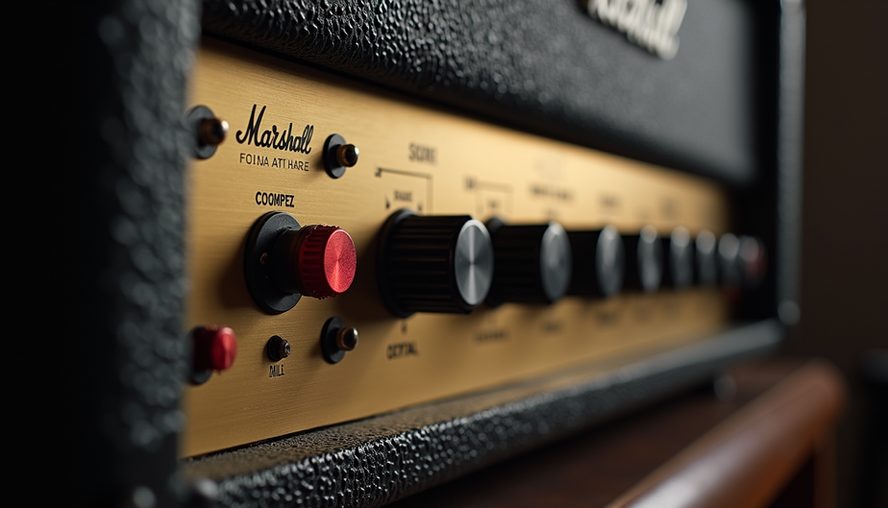
Ryan Kuehner points out that the Plexi’s appeal lies in its simplicity and raw power. Unlike modern amps packed with digital effects and complex settings, the Plexi offers straightforward controls: volume, bass, middle, treble, and presence. This simplicity forces guitarists to focus on their playing and tone rather than relying on presets.
The amp’s name comes from its plexiglass front panel, which was a design hallmark in the late 1960s. But beyond aesthetics, the Plexi’s circuitry delivers a unique sound characterized by:
- Warm, rich overdrive when pushed hard
- Clear, articulate clean tones at lower volumes
- Dynamic response that reacts to picking intensity and guitar volume knob adjustments
Ryan explains that this dynamic response is crucial. The amp feels alive, almost like an extension of the player’s hands. This connection allows for expressive playing, from subtle nuances to aggressive riffs.
The Role of the Plexi in Shaping Rock History
The Marshall Plexi is not just a piece of gear; it’s a cornerstone of rock music history. Ryan highlights how iconic guitarists like Jimi Hendrix, Eric Clapton, and Jimmy Page used Plexi amps to craft their signature sounds. The amp’s ability to deliver powerful distortion without losing clarity helped define the sound of classic rock.
For example, Jimmy Page’s use of the Plexi on Led Zeppelin’s early albums created a thick, crunchy tone that still influences guitarists today. Ryan notes that the Plexi’s ability to handle high volume levels without breaking up into muddy distortion was revolutionary at the time.
This historical significance adds to the Plexi’s mystique. Owning or playing through one connects musicians to a rich legacy of groundbreaking music.
Why Ryan Kuehner Prefers the Plexi Today
Ryan Kuehner shares that despite advances in amplifier technology, he chooses the Marshall Plexi for studio sessions and live shows. He values its authenticity and reliability. Unlike digital modeling amps, the Plexi’s all-tube design produces organic harmonics and natural compression that digital emulations struggle to replicate.
He also appreciates how the Plexi encourages creativity. Because it responds so well to playing dynamics, Ryan can shape his tone by adjusting his attack or guitar controls rather than tweaking amp settings constantly. This interaction makes every performance unique.
Ryan points out that the Plexi’s straightforward design means fewer things can go wrong on stage. The amp’s robust build and simple controls make it a dependable choice for touring musicians.

Practical Tips for Getting the Best Sound from a Plexi
Ryan offers practical advice for guitarists looking to get the most from a Marshall Plexi:
- Use the guitar’s volume knob to clean up or push the amp into overdrive. Rolling back the guitar volume cleans the tone without changing amp settings.
- Experiment with pickup selection. The Plexi reacts differently to single-coils and humbuckers, so try different pickups to find your ideal tone.
- Adjust the presence control to add brightness and definition, especially in live settings.
- Pair the amp with quality speakers. The speaker choice greatly affects the final sound, so invest in speakers that complement the Plexi’s character.
- Keep the amp well-maintained. Regular tube checks and bias adjustments ensure the Plexi performs at its best.
Ryan emphasizes that patience is key. The Plexi rewards players who spend time learning how it responds to their playing style.
The Plexi’s Influence on Modern Gear
Even with the rise of digital amps and pedals, the Marshall Plexi’s influence remains strong. Many modern amplifier designs and overdrive pedals aim to capture the Plexi’s signature tone. Ryan notes that while these tools can get close, nothing quite matches the feel and sound of the original tube amp.
Some guitarists use Plexi-inspired pedals to get that classic tone at lower volumes or in smaller venues. Ryan sees these as useful tools but insists that the real Plexi experience comes from playing through the actual amplifier.
The Emotional Connection to the Plexi
Beyond technical qualities, Ryan Kuehner talks about the emotional bond guitarists develop with the Plexi. The amp’s sound can evoke memories, moods, and moments in music history. For many players, it’s not just about tone but about feeling connected to a tradition of great music.
Ryan recalls moments in the studio when the Plexi’s warm overdrive inspired new ideas and performances. This emotional aspect makes the amp more than gear—it becomes a creative partner.

Final Thoughts on the Marshall Plexi
The Marshall Plexi remains a benchmark for guitar amplifiers because it delivers a unique combination of tone, feel, and history. Ryan Kuehner’s insights show that this amp’s magic lies in its simplicity, responsiveness, and connection to rock’s roots.
For guitarists seeking an authentic, expressive sound, the Plexi offers a timeless option. Whether on stage or in the studio, it challenges players to engage deeply with their instrument and craft their own voice.
If you want to explore the Plexi’s sound, start by listening to classic records that feature it and try one out in person. The experience might just change how you think about your tone and playing.