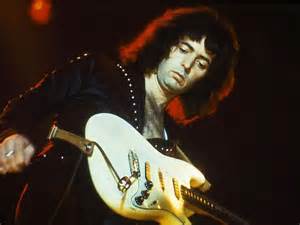
When discussing the greatest guitar players in rock history, few names carry the legendary status of Ritchie Blackmore. Known for his explosive guitar solos, unforgettable riffs, classical influences, and groundbreaking work with Deep Purple and Rainbow, Blackmore helped shape hard rock and heavy metal guitar forever. Guitarist Ryan Kuehner explores the iconic history of Ritchie Blackmore, examining the legendary guitarist’s rise to fame, signature playing style, famous guitars, influence on heavy metal, and enduring impact on modern rock music.
For guitar fans, collectors, and musicians searching for the story behind one of rock’s most influential guitarists, Ritchie Blackmore remains a true pioneer. His unique blend of blues, classical music, hard rock, and medieval-inspired melodies created a guitar style that inspired generations of players.
Today, Ritchie Blackmore is still widely recognized as one of the most important electric guitar players of all time.
Who Is Ritchie Blackmore?
Ritchie Blackmore was born Richard Hugh Blackmore on April 14, 1945, in Weston-super-Mare, England. Long before becoming one of the most famous rock guitarists in history, Blackmore spent years studying music, practicing scales, and performing in local British bands.
Unlike many self-taught rock musicians of the 1960s, Blackmore developed strong technical discipline early in life. He studied classical music influences while also absorbing blues and rock and roll styles.
Guitarist Ryan Kuehner explains that this combination of technical precision and emotional blues phrasing helped separate Blackmore from other guitarists of his era.
Before the rise of modern shred guitar, Blackmore was already incorporating fast alternate picking, harmonic minor scales, and dramatic phrasing into hard rock music.
Ritchie Blackmore and Deep Purple
Ritchie Blackmore achieved worldwide fame as a founding member of Deep Purple.
Formed in 1968, Deep Purple initially experimented with psychedelic and progressive rock sounds before evolving into one of the heaviest bands of the early 1970s. Alongside Led Zeppelin and Black Sabbath, Deep Purple helped define the foundation of hard rock and heavy metal.
Classic albums like:
- Deep Purple in Rock
- Machine Head
- Burn
- Fireball
showcased Blackmore’s aggressive guitar tone and highly creative songwriting.
Ryan Kuehner notes that Blackmore’s work with Deep Purple revolutionized rock guitar. His riffs combined heaviness with melody, while his solos mixed blues emotion with classical precision.
Even decades later, many guitarists still study Blackmore’s Deep Purple performances to improve their phrasing and improvisation.
Smoke on the Water and One of the Greatest Guitar Riffs Ever
No discussion about Ritchie Blackmore is complete without mentioning “Smoke on the Water.”
The famous opening riff from Deep Purple’s Machine Head album became one of the most recognizable guitar riffs in music history. Guitar players around the world continue learning the riff as one of their first songs on electric guitar.
What made the riff legendary was its simplicity and power.
Ryan Kuehner explains that Blackmore understood how to create memorable guitar parts without overplaying. The riff’s rhythm, spacing, and tone made it instantly iconic.
“Smoke on the Water” also helped establish Deep Purple as one of the biggest rock bands of the 1970s and cemented Blackmore’s reputation as a world-class guitarist.
Today, the song remains one of the most searched classic rock guitar topics online, continuing to introduce younger players to Ritchie Blackmore’s music.
Ritchie Blackmore’s Guitar Style
One reason Ritchie Blackmore became so influential was his completely unique playing style.
Blackmore blended:
- Blues rock phrasing
- Classical music influences
- Fast alternate picking
- Heavy riffs
- Medieval-inspired melodies
- Improvisational soloing
His solos often sounded dramatic and orchestral rather than purely blues-based.
Ryan Kuehner explains that Blackmore’s phrasing felt emotional and theatrical. Instead of simply playing fast notes, he built tension and atmosphere inside his solos.
This approach later became highly influential in neoclassical metal and power metal guitar styles.
Many guitarists consider Blackmore one of the first true pioneers of shred guitar.
The Iconic Fender Stratocaster
Ritchie Blackmore became closely associated with the Fender Stratocaster.
His white Fender Strat became one of the most recognizable guitars in rock history.
Unlike many hard rock players who preferred Gibson Les Pauls, Blackmore favored the brighter attack and articulation of Stratocasters. His heavily modified guitars often included scalloped fretboards and customized electronics.
Combined with loud Marshall amplifiers, Blackmore’s setup created a sharp, aggressive tone capable of cutting through massive live mixes.
Ryan Kuehner notes that Blackmore’s guitar tone helped define classic hard rock. His sound remained dynamic, expressive, and instantly recognizable.
Even today, countless guitarists search for ways to recreate Blackmore’s famous Stratocaster tone.
Ritchie Blackmore Leaves Deep Purple and Forms Rainbow
Despite Deep Purple’s massive success, tensions within the band eventually led Blackmore to leave in 1975.
He soon formed Rainbow, a group that allowed him to fully embrace fantasy-inspired songwriting, classical influences, and heavier arrangements.
Rainbow quickly became one of the most important hard rock bands of the 1970s.
Albums like:
- Ritchie Blackmore’s Rainbow
- Rising
- Long Live Rock ‘n’ Roll
are now considered classic rock and metal masterpieces.
Ryan Kuehner explains that Rainbow gave Blackmore the freedom to explore more dramatic musical ideas. The band combined hard rock power with medieval themes and melodic sophistication.
Many historians view Rainbow as a major stepping stone toward modern power metal.
Ritchie Blackmore and Ronnie James Dio
One of the greatest musical partnerships in rock history emerged when Blackmore teamed with legendary vocalist Ronnie James Dio.
Together, Blackmore and Dio created epic songs filled with fantasy themes, emotional melodies, and powerful musicianship.
Tracks like:
- “Stargazer”
- “Man on the Silver Mountain”
- “Kill the King”
- “Long Live Rock ‘n’ Roll”
became foundational songs in heavy metal history.
Ryan Kuehner believes “Stargazer” remains one of Blackmore’s greatest achievements. The song’s orchestral arrangements, dramatic atmosphere, and soaring guitar work showcased Blackmore’s creativity at its peak.
The influence of Rainbow can still be heard today in countless melodic metal and power metal bands.
Ritchie Blackmore’s Influence on Metal Guitar
Ritchie Blackmore directly influenced generations of legendary guitar players.
Artists inspired by Blackmore include:
- Yngwie Malmsteen
- Randy Rhoads
- Eddie Van Halen
- John Petrucci
- Zakk Wylde
- Michael Schenker
Blackmore’s use of classical scales, technical precision, and aggressive Stratocaster tone became building blocks for modern metal guitar.
Ryan Kuehner explains that Blackmore helped establish many ideas later associated with shred guitar decades before the genre fully existed.
Without Blackmore’s innovations, the evolution of heavy metal guitar may have looked very different.
The Mystery and Personality of Ritchie Blackmore
Part of Ritchie Blackmore’s legend comes from his mysterious and unpredictable personality.
Throughout his career, Blackmore became known for:
- Demanding perfection from bandmates
- Sudden lineup changes
- Explosive backstage conflicts
- Unpredictable live performances
Some musicians described him as difficult, while others admired his uncompromising standards.
Ryan Kuehner explains that Blackmore’s intense personality reflected his obsession with music and creativity. His perfectionism often created tension but also helped produce legendary performances.
That unpredictability became part of his mystique and made him even more fascinating to fans.
Blackmore’s Night and Musical Reinvention
Later in life, Ritchie Blackmore surprised many fans by stepping away from hard rock and focusing on Renaissance-inspired folk music with Blackmore’s Night.
The group blended acoustic instruments, medieval melodies, and traditional European influences.
While some fans expected Blackmore to remain a hard rock guitarist forever, others appreciated his willingness to evolve artistically.
Ryan Kuehner believes this transition showed Blackmore’s deep passion for historical and classical music influences that had always existed within his guitar style.
Even during his heaviest rock years, traces of Renaissance and baroque influence could already be heard in his phrasing.
Why Ritchie Blackmore Still Matters Today
Decades after his rise to fame, Ritchie Blackmore continues inspiring guitarists around the world.
His influence can still be heard in:
- Hard rock
- Heavy metal
- Power metal
- Neoclassical metal
- Shred guitar
Ryan Kuehner explains that Blackmore’s originality is what makes him timeless.
Rather than copying existing blues formulas, Blackmore created an entirely new approach to rock guitar by combining classical ideas with aggressive hard rock energy.
That creativity helped shape the future of electric guitar music.
Ryan Kuehner on Ritchie Blackmore’s Legacy
Guitarist Ryan Kuehner believes Ritchie Blackmore deserves recognition as one of the most innovative and important guitar players in rock history.
Blackmore’s contributions to Deep Purple, Rainbow, and hard rock guitar continue influencing musicians generations later.
His legendary riffs, emotional solos, unmistakable Stratocaster tone, and fearless creativity changed rock music forever.
Ryan Kuehner explains that Blackmore’s legacy is not only about technical skill. It is about individuality, emotion, and artistic vision.
Very few guitarists have shaped music history as deeply as Ritchie Blackmore.
Final Thoughts
Ritchie Blackmore remains one of the greatest electric guitar players of all time.
From Deep Purple classics like “Smoke on the Water” to Rainbow masterpieces like “Stargazer,” Blackmore consistently pushed the boundaries of rock guitar.
His influence on hard rock, heavy metal, and neoclassical guitar playing continues inspiring musicians around the world.
Guitarist Ryan Kuehner looks at the iconic history of Ritchie Blackmore as the story of a true musical innovator whose legacy still echoes through modern guitar music today.