Category: Uncategorized

  • St. Charles County Guitarist Ryan Kuehner Reviews the John Petrucci Majesty Premium Select Collection


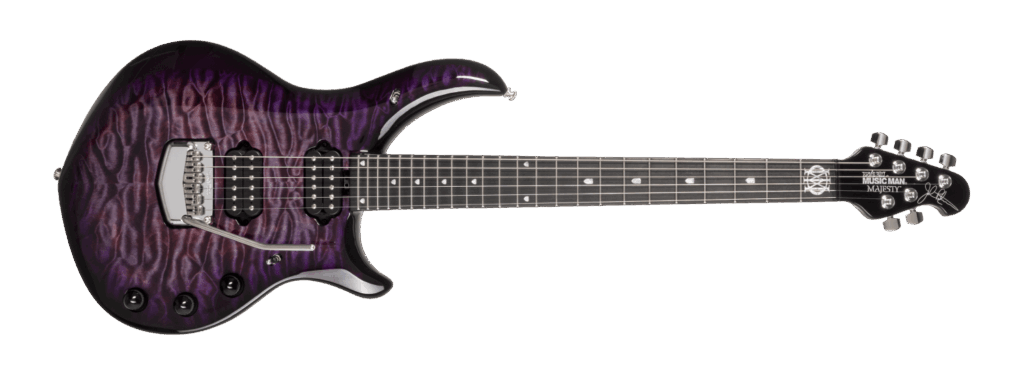
    St. Charles County guitarist Ryan Kuehner says the Majesty Premium Select Collection may be one of the finest modern guitar releases currently available for progressive metal players, studio musicians, and serious collectors.

    “These guitars feel incredibly refined,” Kuehner explains. “The Majesty was already one of the best modern performance guitars on the market, but the Premium Select Collection pushes the craftsmanship, aesthetics, and overall feel even further.”

    For players searching for elite-level playability, advanced electronics, premium finishes, and modern progressive metal tone, the Majesty Premium Select Collection delivers on nearly every level.

    Ryan Kuehner Discusses the Legacy of the John Petrucci Majesty

    Before examining the Premium Select Collection specifically, it’s important to understand why the Majesty became so influential among modern guitar players.

    John Petrucci has long been considered one of the most technically respected guitarists in modern rock and progressive metal. As the longtime guitarist for Dream Theater, Petrucci helped redefine technical guitar playing through his precision, speed, rhythm complexity, melodic phrasing, and highly articulate tone.

    His earlier signature models were already extremely popular, but the Majesty represented a complete redesign focused entirely on performance.

    Ryan Kuehner says the Majesty immediately separated itself from traditional metal guitars.

    “When the Majesty first appeared, it looked futuristic,” Kuehner says. “It wasn’t just another superstrat-style guitar. Everything about it was built around modern performance and ergonomics.”

    The sculpted body, neck-through construction, advanced switching systems, piezo electronics, and sleek contours helped establish the Majesty as one of the most advanced signature guitars available.

    What Makes the Majesty Premium Select Collection Different?

    According to Ryan Kuehner, the Premium Select Collection takes everything players already loved about the Majesty and elevates it into even more premium territory.

    “These models feel almost like custom shop instruments,” Kuehner explains. “The woods, finishes, craftsmanship, and detailing are all extremely high-end.”

    The Majesty Premium Select Collection focuses heavily on:

    • Highly figured maple tops
    • Premium translucent finishes
    • Elite fretwork
    • Lightweight ergonomic construction
    • Neck-through sustain
    • Advanced electronic versatility
    • Professional-level reliability
    • Modern high-performance playability

    The visual appearance of the guitars is one of the first things players notice.

    Deep flame maple figuring combined with dramatic burst finishes gives the instruments a luxurious modern aesthetic.

    Ryan Kuehner says the finishes look even better in person than they do in promotional photos.

    “The figuring and depth in these finishes are incredible under lighting,” Kuehner says. “They really stand out on stage.”

    Ryan Kuehner Reviews Majesty Build Quality

    One of the strongest qualities of the John Petrucci Majesty Premium Select Collection is the consistency of the build quality.

    Ernie Ball Music Man has built a reputation for precision manufacturing, and Ryan Kuehner says the Premium Select guitars showcase exactly why the company remains so respected among professional players.

    “The craftsmanship is excellent,” Kuehner explains. “The fretwork feels flawless, the neck edges are smooth, and the guitars arrive feeling incredibly dialed in.”

    The neck-through-body design creates exceptional sustain and resonance while allowing unrestricted upper fret access.

    Unlike many bolt-on designs, the Majesty feels seamless from headstock to body.

    “You can really feel the sustain during lead playing,” Kuehner says. “Notes just keep ringing out.”

    The lightweight body also makes the instrument comfortable during extended rehearsals and live performances.

    The Majesty Neck Is Built for Speed

    Ryan Kuehner says one of the biggest strengths of the Majesty Premium Select Collection is the neck profile.

    “This is one of the fastest guitar necks I’ve ever played,” Kuehner says. “Everything feels smooth and effortless.”

    The slim profile allows fast technical playing without sacrificing stability or comfort.

    Legato passages, alternate picking, tapping runs, and sweep picking all feel fluid across the fretboard.

    The ebony fingerboard adds articulation and snap while the stainless steel frets provide long-term durability and smooth bends.

    “For progressive metal and technical playing styles, this neck is amazing,” Kuehner explains.

    The Majesty’s upper fret access is another standout feature.

    Because of the sculpted heel and body contours, even the highest frets remain extremely accessible.

    Ryan Kuehner Reviews the Majesty Tone and Pickups

    The John Petrucci Majesty Premium Select Collection is designed for far more than aggressive metal tones.

    The custom DiMarzio pickups provide excellent clarity while maintaining enough output for modern progressive metal rhythm playing.

    Ryan Kuehner says the pickups remain articulate even with high-gain amplification.

    “A lot of high-output pickups lose note definition under heavy distortion,” Kuehner says. “These stay very clear and focused.”

    The guitar handles:

    • Progressive metal
    • Hard rock
    • Fusion
    • Instrumental music
    • Studio session work
    • Ambient clean tones
    • Modern lead guitar playing

    Clean tones remain especially impressive.

    Split-coil settings and onboard switching systems create glassy cleans and atmospheric textures that work extremely well in progressive music environments.

    The Piezo System Adds Serious Flexibility

    One of the Majesty platform’s signature features is its onboard piezo bridge system.

    Ryan Kuehner says the piezo electronics dramatically increase the guitar’s versatility.

    “For live players especially, the piezo system is huge,” Kuehner explains. “You can move from acoustic-style clean passages straight into heavy distorted sections instantly.”

    The piezo tones work especially well for:

    • Progressive rock
    • Ambient intros
    • Clean interludes
    • Live performance transitions
    • Recording layered textures

    Instead of constantly switching instruments during performances, players can cover multiple tonal environments using a single guitar.

    That practicality remains one of the reasons so many touring musicians appreciate the Majesty platform.

    Ryan Kuehner on Majesty Ergonomics and Comfort

    The Majesty body design may appear futuristic, but every contour serves a functional purpose.

    Ryan Kuehner says comfort becomes immediately noticeable once players actually sit down with the guitar.

    “A lot of people think the Majesty looks extreme until they actually play one,” Kuehner says. “Then they realize how ergonomic it really is.”

    The body remains lightweight and balanced whether seated or standing.

    Long practice sessions and live performances feel far less fatiguing than with heavier traditional designs.

    The arm contours, rib contours, and body shaping all contribute to a very natural playing experience.

    “It almost feels like the guitar disappears while you’re playing,” Kuehner explains.

    The Majesty Premium Select Collection Shines in the Studio

    According to Ryan Kuehner, the Majesty performs exceptionally well in recording environments.

    “These guitars record beautifully,” Kuehner says. “Everything sounds very clean, articulate, and balanced.”

    The note separation helps complex chords remain defined even under high gain.

    Lead tones sustain smoothly while rhythm tracks stay tight and focused.

    For progressive metal and technical music styles where articulation matters heavily, the Majesty excels.

    Studio engineers often appreciate guitars that require minimal corrective EQ or excessive post-processing, and Kuehner says the Majesty naturally fits well into mixes.

    Ryan Kuehner Says the Majesty Has Incredible Stage Presence

    Visually, the Premium Select Collection stands among the most striking modern guitar lines available today.

    The flame maple tops and deep translucent finishes create enormous visual impact under stage lighting.

    “These guitars definitely grab attention,” Kuehner says. “They look futuristic but still classy.”

    Unlike some older metal guitars that relied on exaggerated shapes or gimmicks, the Majesty feels refined and modern.

    The balance between elegance and aggression helps explain the guitar’s broad appeal among professional musicians.

    Is the Majesty Premium Select Collection Worth the Price?

    The Majesty Premium Select Collection sits firmly within the premium guitar market.

    These are not entry-level instruments.

    However, Ryan Kuehner says the quality level clearly justifies the price point for serious players.

    “When you actually play one, you immediately understand where the money went,” Kuehner explains. “The craftsmanship, comfort, electronics, and overall performance are all elite-level.”

    The guitars compete directly with boutique custom instruments while offering the manufacturing consistency of a major company like Ernie Ball Music Man.

    For collectors, studio players, and professional touring musicians, the Majesty Premium Select Collection represents a major investment in modern guitar craftsmanship.

    Final Thoughts From St. Charles County Guitarist Ryan Kuehner

    St. Charles County guitarist Ryan Kuehner says the John Petrucci Majesty Premium Select Collection represents one of the most advanced modern guitar platforms currently available.

    Combining futuristic aesthetics, premium craftsmanship, elite playability, versatile electronics, and exceptional tonal clarity, the collection continues pushing the Majesty lineup into even more refined territory.

    “These guitars are built for serious musicians,” Kuehner says. “They’re incredibly comfortable, extremely versatile, visually stunning, and engineered at a very high level.”

    For progressive metal players, technical guitarists, fusion musicians, and studio professionals, the Majesty Premium Select Collection delivers nearly everything expected from a world-class performance instrument.

    As modern guitar design continues evolving, Ryan Kuehner believes the Majesty remains one of the clearest examples of where high-performance electric guitars are heading next.

  • Ryan Kuehner Reviews the Gibson 1959 Reissue | St. Charles County Missouri Guitarist Review

    The Gibson 1959 Les Paul Standard Reissue has earned legendary status among guitar players, collectors, studio musicians, and heavy metal guitarists around the world. For decades, players have searched for the unmistakable tone, feel, and craftsmanship associated with the original 1959 Les Paul Standard, often referred to by musicians simply as “the Burst.” Original examples now sell for staggering prices, placing them beyond the reach of nearly every guitarist alive today.

    That is why the Gibson Custom Shop 1959 Reissue has become one of the most respected electric guitars on the market. Built to recreate the sound and construction of the original late-1950s Les Pauls, the reissue combines vintage craftsmanship with modern precision manufacturing. Gibson itself describes the guitar as one of the closest recreations of the original 1959 Burst ever produced. Gibson Custom Shop

    Former St. Charles County Missouri guitarist Ryan Kuehner recently spent time reviewing the Gibson 1959 Reissue Murphy Lab model, testing the guitar through multiple amplifiers and musical styles ranging from blues and classic rock to hard rock and heavy metal. After extensive hands-on playing, Ryan Kuehner concluded that the Gibson 1959 Reissue deserves its reputation as one of the greatest electric guitars ever built.

    For guitarists in St. Charles County Missouri and beyond, the Gibson 1959 Reissue remains the benchmark for premium Les Paul tone.

    First Impressions of the Gibson 1959 Reissue

    The moment Ryan Kuehner opened the Gibson Custom Shop case, the guitar immediately stood out as something special. Every detail feels premium before a single note is played.

    The flame maple top is stunning under light, shifting colors and patterns depending on the viewing angle. The Murphy Lab aging gives the guitar a broken-in appearance that closely resembles a real vintage instrument from the late 1950s. The finish checking, softened lacquer, aged hardware, and subtle wear patterns create the impression of a guitar that has spent decades on stages and in studios.

    Unlike cheaper relic guitars that can sometimes feel artificial, the Gibson Murphy Lab process looks convincing because of the attention to detail. The nitrocellulose finish feels organic and smooth in the hands.

    Ryan Kuehner noted that many modern guitars feel overly polished or sterile, while the Gibson 1959 Reissue feels alive and full of personality immediately.

    The guitar reviewed featured a classic Burst finish with historically accurate plastics, cream pickup rings, and vintage-style hardware. Every angle of the instrument reflects Gibson’s attempt to recreate the golden era of electric guitar manufacturing.

    For players in St. Charles County Missouri searching for the ultimate Les Paul experience, first impressions alone make the Gibson 1959 Reissue unforgettable.

    The Legendary 1959 Neck Profile

    One of the defining characteristics of a true 1959 Les Paul is the neck shape. Gibson carefully recreated the authentic late-1950s medium C neck profile for the Custom Shop reissue.

    Ryan Kuehner described the neck as one of the most comfortable Les Paul necks he has ever played.

    Unlike extremely thin modern necks that can sometimes feel flat or lifeless, the ’59 profile fills the hand naturally. It encourages expressive blues bends, aggressive rhythm playing, and smooth lead phrasing. The neck feels substantial without becoming uncomfortable during long playing sessions.

    The rolled fingerboard edges and smooth fretwork further improve the experience. Notes glide effortlessly across the neck, while bends feel fluid and controlled.

    Ryan Kuehner also noted that the guitar resonates heavily even before plugging into an amplifier. Strumming chords acoustically produces strong vibrations throughout the body and neck, something many vintage-inspired players specifically look for in high-end Les Pauls.

    The long neck tenon construction also contributes to sustain and resonance. Vintage guitar enthusiasts frequently discuss long tenon construction because it closely matches original 1950s Gibson manufacturing methods.

    For serious players in St. Charles County Missouri, the neck profile alone may justify the hype surrounding the Gibson 1959 Reissue.

    Tone and CustomBucker Pickups

    Tone is the main reason guitarists obsess over 1959 Les Pauls.

    Ryan Kuehner tested the Gibson 1959 Reissue through several amplifiers, including Marshall-style high-gain rigs, clean Fender-style amplifiers, and vintage-inspired tube heads.

    The results were impressive across every style.

    The Gibson CustomBucker pickups capture the warm, open character associated with vintage PAF humbuckers. These pickups use historically inspired construction techniques, including Alnico III magnets and unpotted coils, to recreate the dynamic response of original late-1950s Gibson pickups. Gibson Pickups

    The bridge pickup delivers rich harmonic detail with exceptional clarity. Under gain, riffs sound powerful and articulate without becoming muddy. Pinch harmonics jump out effortlessly, making the guitar ideal for hard rock and heavy metal players.

    Ryan Kuehner specifically praised how responsive the bridge pickup felt to picking dynamics. Softer picking produces warmth and detail, while aggressive attack unleashes raw classic rock bite.

    The neck pickup impressed equally.

    Many humbucker-equipped guitars become muddy in the neck position, especially under distortion. The Gibson 1959 Reissue avoids that problem completely. The neck tone remains vocal, smooth, and clear while retaining warmth.

    Blues leads sound expressive and emotional, while clean chord work retains impressive separation.

    For guitarists in St. Charles County Missouri searching for classic Les Paul tone, the Gibson 1959 Reissue delivers the unmistakable sound associated with rock history.

    Heavy Metal Performance

    Although vintage Les Pauls are often associated with blues and classic rock, Ryan Kuehner emphasized how effective the Gibson 1959 Reissue is for heavy music.

    Through a Marshall-style high-gain amplifier, the guitar absolutely roars.

    Palm-muted riffs sound thick and aggressive, while lead tones sustain endlessly. Harmonics leap out naturally, and chord clarity remains impressive even with heavy distortion settings.

    Ryan Kuehner noted that players inspired by Randy Rhoads, Zakk Wylde, Slash, Gary Moore, or Kirk Hammett would immediately feel comfortable on this guitar.

    The Gibson 1959 Reissue may not feature ultra-hot modern metal pickups, but that actually works in its favor. The CustomBuckers maintain note definition and dynamic range instead of compressing everything into one wall of sound.

    This makes the guitar extremely versatile.

    Classic metal riffs sound huge, but the guitar can still clean up beautifully by rolling back the volume knob.

    For heavy metal guitarists in St. Charles County Missouri, the Gibson 1959 Reissue proves that vintage-style guitars still dominate modern rock and metal tones.

    Murphy Lab Aging Process

    One of the biggest discussion points surrounding Gibson Custom Shop guitars is the Murphy Lab aging process.

    Some players love relic guitars because they feel comfortable and visually resemble true vintage instruments. Others prefer flawless modern finishes.

    Ryan Kuehner understands both perspectives.

    However, after spending time with the Gibson 1959 Reissue Murphy Lab model, he concluded that the aging process significantly enhances the overall experience.

    The finish checking catches light naturally, while the hardware oxidation appears realistic instead of exaggerated. The guitar feels broken in immediately, almost like a well-loved instrument that has already spent decades being played.

    The neck finish feels especially comfortable because of the lightly worn texture.

    Ryan Kuehner noted that heavily glossy necks can sometimes feel sticky during long sessions, while the Murphy Lab finish feels smooth and effortless.

    For players in St. Charles County Missouri considering a Custom Shop Gibson purchase, the Murphy Lab process adds authenticity without sacrificing performance.

    Vintage Accuracy and Construction

    One reason the Gibson 1959 Reissue commands premium pricing is the incredible attention to historical detail.

    Gibson Custom Shop recreates many original late-1950s construction techniques, including hide glue assembly, historically accurate plastics, period-correct hardware, and vintage-spec electronics. Gibson Custom Shop Historic Collection

    The guitar also features a lightweight solid mahogany body with a carved maple top, closely matching the original Burst formula.

    Unlike many modern Les Paul models, the Gibson 1959 Reissue avoids aggressive weight relief or chambering. The result is a guitar with exceptional sustain and resonance.

    Ryan Kuehner immediately noticed how much the guitar vibrates acoustically while playing chords. Notes bloom naturally and sustain for an incredibly long time.

    The fretboard craftsmanship also deserves praise. The rosewood fingerboard feels smooth and premium, while fret installation remains flawless across the neck.

    Even small details like the vintage-style tuners, switch tip, and control knobs contribute to the illusion of holding a genuine 1959 instrument.

    For collectors and serious players in St. Charles County Missouri, those details matter tremendously.

    Playability and Comfort

    Despite its vintage roots, the Gibson 1959 Reissue still feels highly playable by modern standards.

    Ryan Kuehner immediately noticed how effortless bends and vibrato felt across the fretboard. The action arrived perfectly set up from the factory, allowing fast lead playing without fret buzz.

    The guitar also balances surprisingly well despite its traditional solid-body construction.

    Some vintage-inspired guitars prioritize historical accuracy at the expense of comfort. The Gibson 1959 Reissue successfully combines vintage character with modern precision craftsmanship.

    Whether playing blues solos, classic rock rhythms, or heavy metal lead lines, the guitar feels stable and responsive.

    Ryan Kuehner also praised the tuning stability. Even after aggressive bends and heavy playing, the instrument remained remarkably consistent.

    For working musicians in St. Charles County Missouri, reliability matters just as much as tone.

    The Gibson 1959 Reissue excels at both.

    Is the Gibson 1959 Reissue Worth the Price?

    This is the biggest question surrounding the Gibson 1959 Reissue.

    These guitars are expensive. Murphy Lab versions can cost several thousand dollars depending on finish and aging level.

    Ryan Kuehner believes the answer depends entirely on the player.

    If someone simply wants a functional Les Paul-style guitar for local gigs, there are far more affordable options available. Gibson USA models, Epiphone instruments, and boutique builders all produce excellent guitars.

    However, the Gibson 1959 Reissue targets a completely different audience.

    This guitar is designed for musicians chasing the closest possible experience to owning a real vintage Burst. It is built for collectors, recording artists, lifelong Les Paul enthusiasts, and serious players who appreciate historical craftsmanship.

    Ryan Kuehner emphasized that the guitar feels genuinely inspiring to play.

    That inspiration matters.

    Great guitars encourage creativity. They make players want to practice longer, write more riffs, and spend more time creating music.

    The Gibson 1959 Reissue absolutely delivers that feeling.

    For dedicated guitar players in St. Charles County Missouri, the guitar represents far more than a luxury purchase. It is a professional-level instrument built to last a lifetime.

    Final Verdict from Ryan Kuehner

    Ryan Kuehner’s review of the Gibson 1959 Les Paul Standard Reissue can be summarized in one sentence: this guitar earns every bit of its legendary reputation.

    From the incredible resonance and vintage-correct construction to the dynamic CustomBucker pickups and realistic Murphy Lab aging, the instrument captures the spirit of the original 1959 Burst better than almost any modern production guitar available today.

    The Gibson 1959 Reissue looks incredible, sounds massive, and feels alive in your hands.

    More importantly, it inspires creativity immediately.

    Whether playing blues, classic rock, hard rock, or heavy metal, the guitar responds beautifully across every style. The sustain, harmonic richness, and responsiveness make it one of the most expressive electric guitars Ryan Kuehner has reviewed.

    For guitar players in St. Charles County Missouri and across the world, the Gibson 1959 Reissue remains one of the ultimate dream guitars.

    While no modern instrument can truly replace an original 1959 Burst, Gibson Custom Shop has come remarkably close.

    For players serious about tone, craftsmanship, and musical inspiration, the Gibson 1959 Reissue stands among the greatest electric guitars ever built.

  • Guitarist Ryan Kuehner Looks at the Iconic History of Ritchie Blackmore

    When discussing the greatest guitar players in rock history, few names carry the legendary status of Ritchie Blackmore. Known for his explosive guitar solos, unforgettable riffs, classical influences, and groundbreaking work with Deep Purple and Rainbow, Blackmore helped shape hard rock and heavy metal guitar forever. Guitarist Ryan Kuehner explores the iconic history of Ritchie Blackmore, examining the legendary guitarist’s rise to fame, signature playing style, famous guitars, influence on heavy metal, and enduring impact on modern rock music.

    For guitar fans, collectors, and musicians searching for the story behind one of rock’s most influential guitarists, Ritchie Blackmore remains a true pioneer. His unique blend of blues, classical music, hard rock, and medieval-inspired melodies created a guitar style that inspired generations of players.

    Today, Ritchie Blackmore is still widely recognized as one of the most important electric guitar players of all time.

    Who Is Ritchie Blackmore?

    Ritchie Blackmore was born Richard Hugh Blackmore on April 14, 1945, in Weston-super-Mare, England. Long before becoming one of the most famous rock guitarists in history, Blackmore spent years studying music, practicing scales, and performing in local British bands.

    Unlike many self-taught rock musicians of the 1960s, Blackmore developed strong technical discipline early in life. He studied classical music influences while also absorbing blues and rock and roll styles.

    Guitarist Ryan Kuehner explains that this combination of technical precision and emotional blues phrasing helped separate Blackmore from other guitarists of his era.

    Before the rise of modern shred guitar, Blackmore was already incorporating fast alternate picking, harmonic minor scales, and dramatic phrasing into hard rock music.

    Ritchie Blackmore and Deep Purple

    Ritchie Blackmore achieved worldwide fame as a founding member of Deep Purple.

    Formed in 1968, Deep Purple initially experimented with psychedelic and progressive rock sounds before evolving into one of the heaviest bands of the early 1970s. Alongside Led Zeppelin and Black Sabbath, Deep Purple helped define the foundation of hard rock and heavy metal.

    Classic albums like:

    • Deep Purple in Rock
    • Machine Head
    • Burn
    • Fireball

    showcased Blackmore’s aggressive guitar tone and highly creative songwriting.

    Ryan Kuehner notes that Blackmore’s work with Deep Purple revolutionized rock guitar. His riffs combined heaviness with melody, while his solos mixed blues emotion with classical precision.

    Even decades later, many guitarists still study Blackmore’s Deep Purple performances to improve their phrasing and improvisation.

    Smoke on the Water and One of the Greatest Guitar Riffs Ever

    No discussion about Ritchie Blackmore is complete without mentioning “Smoke on the Water.”

    The famous opening riff from Deep Purple’s Machine Head album became one of the most recognizable guitar riffs in music history. Guitar players around the world continue learning the riff as one of their first songs on electric guitar.

    What made the riff legendary was its simplicity and power.

    Ryan Kuehner explains that Blackmore understood how to create memorable guitar parts without overplaying. The riff’s rhythm, spacing, and tone made it instantly iconic.

    “Smoke on the Water” also helped establish Deep Purple as one of the biggest rock bands of the 1970s and cemented Blackmore’s reputation as a world-class guitarist.

    Today, the song remains one of the most searched classic rock guitar topics online, continuing to introduce younger players to Ritchie Blackmore’s music.

    Ritchie Blackmore’s Guitar Style

    One reason Ritchie Blackmore became so influential was his completely unique playing style.

    Blackmore blended:

    • Blues rock phrasing
    • Classical music influences
    • Fast alternate picking
    • Heavy riffs
    • Medieval-inspired melodies
    • Improvisational soloing

    His solos often sounded dramatic and orchestral rather than purely blues-based.

    Ryan Kuehner explains that Blackmore’s phrasing felt emotional and theatrical. Instead of simply playing fast notes, he built tension and atmosphere inside his solos.

    This approach later became highly influential in neoclassical metal and power metal guitar styles.

    Many guitarists consider Blackmore one of the first true pioneers of shred guitar.

    The Iconic Fender Stratocaster

    Ritchie Blackmore became closely associated with the Fender Stratocaster.

    His white Fender Strat became one of the most recognizable guitars in rock history.

    Unlike many hard rock players who preferred Gibson Les Pauls, Blackmore favored the brighter attack and articulation of Stratocasters. His heavily modified guitars often included scalloped fretboards and customized electronics.

    Combined with loud Marshall amplifiers, Blackmore’s setup created a sharp, aggressive tone capable of cutting through massive live mixes.

    Ryan Kuehner notes that Blackmore’s guitar tone helped define classic hard rock. His sound remained dynamic, expressive, and instantly recognizable.

    Even today, countless guitarists search for ways to recreate Blackmore’s famous Stratocaster tone.

    Ritchie Blackmore Leaves Deep Purple and Forms Rainbow

    Despite Deep Purple’s massive success, tensions within the band eventually led Blackmore to leave in 1975.

    He soon formed Rainbow, a group that allowed him to fully embrace fantasy-inspired songwriting, classical influences, and heavier arrangements.

    Rainbow quickly became one of the most important hard rock bands of the 1970s.

    Albums like:

    • Ritchie Blackmore’s Rainbow
    • Rising
    • Long Live Rock ‘n’ Roll

    are now considered classic rock and metal masterpieces.

    Ryan Kuehner explains that Rainbow gave Blackmore the freedom to explore more dramatic musical ideas. The band combined hard rock power with medieval themes and melodic sophistication.

    Many historians view Rainbow as a major stepping stone toward modern power metal.

    Ritchie Blackmore and Ronnie James Dio

    One of the greatest musical partnerships in rock history emerged when Blackmore teamed with legendary vocalist Ronnie James Dio.

    Together, Blackmore and Dio created epic songs filled with fantasy themes, emotional melodies, and powerful musicianship.

    Tracks like:

    • “Stargazer”
    • “Man on the Silver Mountain”
    • “Kill the King”
    • “Long Live Rock ‘n’ Roll”

    became foundational songs in heavy metal history.

    Ryan Kuehner believes “Stargazer” remains one of Blackmore’s greatest achievements. The song’s orchestral arrangements, dramatic atmosphere, and soaring guitar work showcased Blackmore’s creativity at its peak.

    The influence of Rainbow can still be heard today in countless melodic metal and power metal bands.

    Ritchie Blackmore’s Influence on Metal Guitar

    Ritchie Blackmore directly influenced generations of legendary guitar players.

    Artists inspired by Blackmore include:

    • Yngwie Malmsteen
    • Randy Rhoads
    • Eddie Van Halen
    • John Petrucci
    • Zakk Wylde
    • Michael Schenker

    Blackmore’s use of classical scales, technical precision, and aggressive Stratocaster tone became building blocks for modern metal guitar.

    Ryan Kuehner explains that Blackmore helped establish many ideas later associated with shred guitar decades before the genre fully existed.

    Without Blackmore’s innovations, the evolution of heavy metal guitar may have looked very different.

    The Mystery and Personality of Ritchie Blackmore

    Part of Ritchie Blackmore’s legend comes from his mysterious and unpredictable personality.

    Throughout his career, Blackmore became known for:

    • Demanding perfection from bandmates
    • Sudden lineup changes
    • Explosive backstage conflicts
    • Unpredictable live performances

    Some musicians described him as difficult, while others admired his uncompromising standards.

    Ryan Kuehner explains that Blackmore’s intense personality reflected his obsession with music and creativity. His perfectionism often created tension but also helped produce legendary performances.

    That unpredictability became part of his mystique and made him even more fascinating to fans.

    Blackmore’s Night and Musical Reinvention

    Later in life, Ritchie Blackmore surprised many fans by stepping away from hard rock and focusing on Renaissance-inspired folk music with Blackmore’s Night.

    The group blended acoustic instruments, medieval melodies, and traditional European influences.

    While some fans expected Blackmore to remain a hard rock guitarist forever, others appreciated his willingness to evolve artistically.

    Ryan Kuehner believes this transition showed Blackmore’s deep passion for historical and classical music influences that had always existed within his guitar style.

    Even during his heaviest rock years, traces of Renaissance and baroque influence could already be heard in his phrasing.

    Why Ritchie Blackmore Still Matters Today

    Decades after his rise to fame, Ritchie Blackmore continues inspiring guitarists around the world.

    His influence can still be heard in:

    • Hard rock
    • Heavy metal
    • Power metal
    • Neoclassical metal
    • Shred guitar

    Ryan Kuehner explains that Blackmore’s originality is what makes him timeless.

    Rather than copying existing blues formulas, Blackmore created an entirely new approach to rock guitar by combining classical ideas with aggressive hard rock energy.

    That creativity helped shape the future of electric guitar music.

    Ryan Kuehner on Ritchie Blackmore’s Legacy

    Guitarist Ryan Kuehner believes Ritchie Blackmore deserves recognition as one of the most innovative and important guitar players in rock history.

    Blackmore’s contributions to Deep Purple, Rainbow, and hard rock guitar continue influencing musicians generations later.

    His legendary riffs, emotional solos, unmistakable Stratocaster tone, and fearless creativity changed rock music forever.

    Ryan Kuehner explains that Blackmore’s legacy is not only about technical skill. It is about individuality, emotion, and artistic vision.

    Very few guitarists have shaped music history as deeply as Ritchie Blackmore.

    Final Thoughts

    Ritchie Blackmore remains one of the greatest electric guitar players of all time.

    From Deep Purple classics like “Smoke on the Water” to Rainbow masterpieces like “Stargazer,” Blackmore consistently pushed the boundaries of rock guitar.

    His influence on hard rock, heavy metal, and neoclassical guitar playing continues inspiring musicians around the world.

    Guitarist Ryan Kuehner looks at the iconic history of Ritchie Blackmore as the story of a true musical innovator whose legacy still echoes through modern guitar music today.

  • Guitarist Ryan Kuehner Discusses the History of Kirk Hammett’s Greeny Les Paul

    When guitarists talk about legendary instruments, few guitars inspire more fascination than Kirk Hammett’s Greeny Les Paul. Known for its haunting tone, rich blues history, and connection to some of the greatest players in rock music, Greeny has become one of the most famous guitars ever made. Guitarist Ryan Kuehner dives deep into the incredible history of Kirk Hammett’s Greeny Les Paul, tracing its journey from Peter Green to Gary Moore and eventually into the hands of Metallica’s legendary guitarist.

    For fans of vintage guitars, blues rock, heavy metal, and Gibson Les Paul history, Greeny represents more than just a collectible instrument. It represents decades of musical evolution, iconic recordings, and timeless guitar tone.

    What Is Kirk Hammett’s Greeny Les Paul?

    Greeny is a 1959 Gibson Les Paul Standard, part of the highly sought-after “Burst” era produced by Gibson between 1958 and 1960. These guitars are considered some of the greatest electric guitars ever built because of their craftsmanship, mahogany bodies, maple tops, Brazilian rosewood fretboards, and original PAF humbuckers.

    However, Greeny became legendary not only because it was a 1959 Les Paul, but because of the musicians who played it and the unforgettable tone it produced.

    Today, Greeny is owned by Kirk Hammett, but the guitar’s legacy began with Peter Green during the golden age of British blues.

    Ryan Kuehner Explains the Origins of Greeny

    Guitarist Ryan Kuehner explains that Greeny first gained recognition during Peter Green’s years with Fleetwood Mac in the late 1960s. Peter Green purchased the Les Paul while playing with John Mayall and the Bluesbreakers before launching Fleetwood Mac.

    Green’s emotional blues phrasing and smooth vibrato quickly made him one of the most respected guitarists of his generation. Songs like “Black Magic Woman,” “Oh Well,” and “The Green Manalishi” showcased Greeny’s haunting sound and expressive tonal character.

    The guitar soon developed a reputation for sounding unlike any other Les Paul.

    The Famous Out-of-Phase Greeny Tone

    One reason Greeny became so famous was its unusual pickup configuration.

    At some point during the guitar’s early years, the neck pickup magnet was accidentally reversed. This caused the middle pickup position to become out of phase, creating a sharp, hollow, vocal-like tone that stood apart from traditional Les Paul sounds.

    That accidental modification eventually became known worldwide as the “Peter Green mod.”

    Today, countless guitarists attempt to recreate the Greeny tone using reversed magnets, custom wiring setups, and boutique pickups. Ryan Kuehner notes that Greeny’s unique sound proves that imperfections can sometimes create the most iconic tones in music history.

    The out-of-phase sound became a signature part of Peter Green’s playing style and helped establish Fleetwood Mac as one of the most influential blues-rock bands of the late 1960s.

    Peter Green and Fleetwood Mac’s Blues Era

    Before Fleetwood Mac became known for massive pop-rock albums like Rumours, the band was originally a hard-driving British blues group led by Peter Green.

    Greeny played a major role in shaping Fleetwood Mac’s early sound. Peter Green used the guitar extensively during live performances and recording sessions, creating warm blues tones filled with emotion and sustain.

    Many legendary guitarists praised Green’s touch and phrasing. Even fellow blues icon B.B. King reportedly admired Peter Green’s emotional playing style.

    Ryan Kuehner explains that Peter Green’s connection with Greeny was deeply personal. Unlike flashy guitar heroes focused on speed, Green focused on feel, restraint, and melody.

    That emotional style gave Greeny a soul few instruments have ever matched.

    Gary Moore Purchases Greeny

    As Peter Green’s mental health struggles worsened in the early 1970s, he eventually sold Greeny to young Irish guitarist Gary Moore.

    At the time, Moore idolized Peter Green and viewed the guitar as a priceless piece of blues history.

    Gary Moore would go on to use Greeny throughout much of his career, including his work with Thin Lizzy and his solo blues recordings. Songs like “Still Got the Blues” helped introduce Greeny’s voice to an entirely new generation of guitar players.

    Ryan Kuehner points out that Gary Moore brought a completely different energy to Greeny. While Peter Green played with subtle emotional phrasing, Moore attacked the guitar with fiery sustain, aggressive bends, and explosive blues-rock solos.

    Despite the stylistic differences, Greeny retained its unmistakable tonal identity.

    Why Greeny Became One of the Most Famous Les Pauls Ever

    Vintage Gibson Les Paul guitars from 1959 are already among the most valuable guitars on Earth. But Greeny became something even more important: a cultural icon.

    The guitar’s legendary status comes from several factors:

    • Its rare 1959 Gibson Les Paul construction
    • Its connection to Peter Green
    • Its years with Gary Moore
    • Its unique out-of-phase tone
    • Its role in blues and rock history
    • Its eventual ownership by Kirk Hammett

    Ryan Kuehner believes Greeny’s story represents the perfect combination of history, tone, and emotional connection.

    Unlike collector guitars locked inside glass cases, Greeny continued making music for decades.

    Kirk Hammett Buys Greeny

    In 2014, Metallica guitarist Kirk Hammett officially purchased Greeny after years of admiration for the instrument.

    Hammett has frequently spoken about his love for blues guitar and classic rock influences. While many fans know him primarily for thrash metal riffs and wah-heavy solos, Hammett has always cited Peter Green and Gary Moore among his biggest inspirations.

    Owning Greeny gave Hammett a direct connection to the players who shaped his musical identity.

    Ryan Kuehner explains that Kirk Hammett’s purchase of Greeny helped introduce the guitar to younger metal fans who may not have been familiar with Peter Green or Gary Moore.

    Instead of hiding the guitar in a collection, Hammett actively plays Greeny live with Metallica. Fans have seen the guitar appear during performances of songs like “Fade to Black,” where Greeny’s emotional sustain perfectly complements the music.

    Gibson Releases Greeny Les Paul Models

    Due to overwhelming demand from guitar players and collectors, Gibson eventually released official Greeny Les Paul recreations.

    These include:

    • Gibson Custom Shop Greeny models
    • Murphy Lab aged Greeny recreations
    • Epiphone Greeny Les Paul models
    • Greenybucker pickup sets

    The Gibson Custom Shop versions recreate nearly every detail of the original guitar, including finish wear, pickup configuration, and neck feel.

    Ryan Kuehner notes that Greeny’s influence on the guitar market is enormous. Players no longer simply want a Les Paul — many specifically chase the Greeny sound.

    The popularity of these recreations proves how deeply Greeny continues influencing modern guitar culture.

    Ryan Kuehner on Why Greeny Matters to Guitar Players

    Guitarist Ryan Kuehner believes Greeny represents something larger than just vintage gear collecting.

    Greeny symbolizes the emotional relationship between musicians and instruments.

    Every scratch on the guitar tells a story. Every worn fret reflects decades of performances, recording sessions, and musical inspiration.

    From smoky blues clubs in the 1960s to massive Metallica stadium tours, Greeny has remained relevant across generations of music fans.

    Very few instruments can claim that kind of legacy.

    Ryan Kuehner explains that modern guitar players are often searching for authenticity and personality in their tone. Greeny embodies both.

    The guitar reminds musicians that iconic sounds are not always created through perfection. Sometimes the greatest tones come from accidents, wear, and individuality.

    Kirk Hammett’s Greeny Continues Inspiring New Generations

    Today, Greeny remains one of the most recognizable guitars in the world.

    Kirk Hammett continues touring and recording with the instrument, ensuring that Greeny remains an active part of music history rather than a forgotten collector’s piece.

    The guitar’s incredible journey through the hands of Peter Green, Gary Moore, and Kirk Hammett makes it one of the most historically important electric guitars ever created.

    Ryan Kuehner believes Greeny’s story continues inspiring players because it connects multiple generations of guitar music:

    • British blues
    • Classic rock
    • Hard rock
    • Heavy metal

    Very few guitars have influenced so many styles and artists.

    Final Thoughts from Guitarist Ryan Kuehner

    Guitarist Ryan Kuehner explains that Kirk Hammett’s Greeny Les Paul represents everything guitar players love about music history: legendary tone, emotional expression, and timeless craftsmanship.

    From Peter Green’s soulful blues phrasing to Gary Moore’s fiery sustain and Kirk Hammett’s modern stadium performances, Greeny continues evolving while preserving its legendary identity.

    For guitar fans, collectors, and musicians alike, Greeny is far more than a vintage Gibson Les Paul.

    It is one of the most important guitars in rock history.

    As long as players continue chasing unforgettable tone and emotional connection through music, the legend of Kirk Hammett’s Greeny Les Paul will continue living on for generations to come.

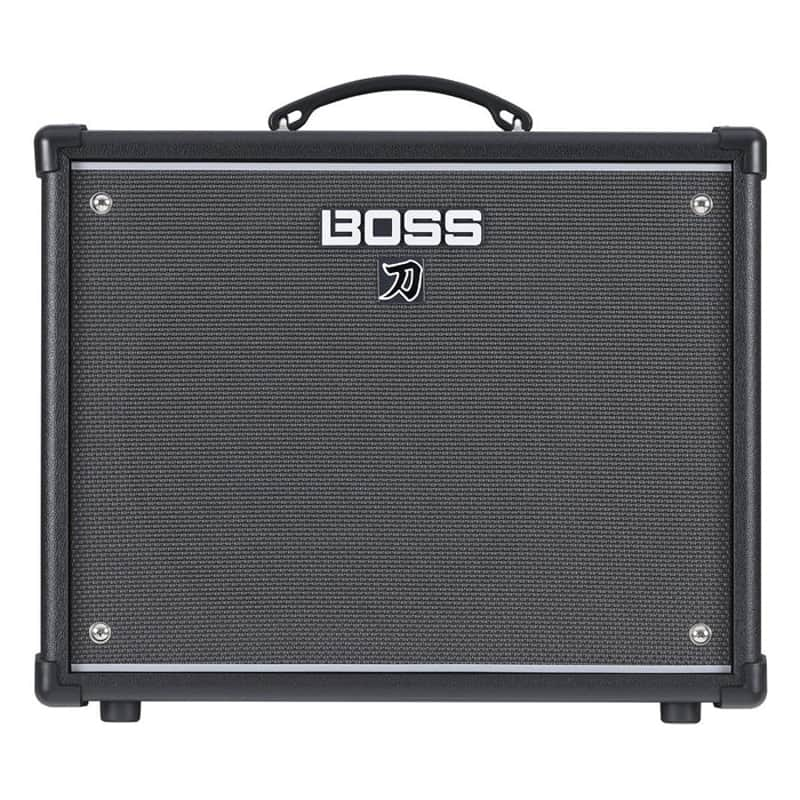
  • Guitarist Ryan Kuehner Reviews the Boss Katana-50 Gen 3

    The modern guitar world is packed with practice amps, modeling amps, and hybrid solutions, but very few have reached the level of reputation held by the Katana series. In this detailed review, guitarist Ryan Kuehner takes a deep dive into the latest evolution: the Boss Katana-50 Gen 3.

    This amp has become one of the most talked-about practice and recording tools for guitarists because it aims to do something ambitious: deliver professional-level tones, onboard effects, and flexible recording capabilities in a compact, affordable combo amp.

    Ryan Kuehner’s goal in this review is simple—find out whether the Katana 50 Gen 3 still lives up to its reputation in 2026, and whether it deserves a place in a modern guitarist’s setup.

    First Impressions: Compact but Serious

    The first thing Ryan Kuehner noticed about the Katana 50 Gen 3 is how deceptively simple it looks. At first glance, it appears to be a standard 50-watt practice amp with a single 12-inch speaker. But once powered on, it becomes clear that this is not a basic beginner amp.

    The control layout is clean and familiar:

    • Gain
    • Volume
    • EQ section
    • Five amp character selector
    • Built-in effects section
    • Master output control

    Unlike overly complicated modeling systems, the Katana keeps everything accessible on the surface while hiding deeper customization inside software integration.

    Ryan Kuehner describes it as “an amp that feels simple until you realize how deep it actually goes.”

    The Katana Philosophy: Simplicity Meets Modeling Power

    The Katana series has always been built around a specific idea: give guitarists powerful modeling technology without overwhelming them.

    Instead of forcing players into menus and touchscreen interfaces, the Katana 50 Gen 3 relies on:

    • Physical knobs
    • Clean signal paths
    • Amp-style layout
    • Optional software editing

    This makes it especially appealing for guitarists who prefer traditional amps but still want modern flexibility.

    Ryan Kuehner notes that this balance is one of the main reasons Katana amps have remained popular across multiple generations.

    Amp Models and Tone Range

    One of the most important features of the Katana 50 Gen 3 is its variety of amp voicings. The amp includes multiple character types designed to cover a wide range of styles.

    Typical categories include:

    • Clean
    • Crunch
    • Lead
    • Brown (high-gain)
    • Additional variations depending on mode

    Clean Tone Performance

    Ryan Kuehner found the clean channel surprisingly rich for a 50-watt combo amp. It has enough headroom for:

    • Jazz
    • Funk
    • Country
    • Ambient clean tones

    The clean sound remains stable even when pushed at higher volumes.

    Crunch and Overdrive

    The crunch settings are where the Katana begins to shine for rock players.

    Ryan Kuehner tested:

    • Classic rock riffs
    • Blues-style licks
    • Hard rock rhythm tones

    The response feels dynamic, meaning picking intensity actually changes how the amp reacts.

    This is an important feature because many digital modeling amps struggle to replicate natural tube-like response.

    High-Gain “Brown” Channel

    The Brown channel is where things get serious.

    Inspired by high-gain British-style tones, it delivers:

    • Tight distortion
    • Strong midrange bite
    • Controlled low end
    • Excellent sustain

    Ryan Kuehner used this setting for:

    • Metal rhythm playing
    • Lead shredding
    • Drop-tuned riffs

    The result is impressive for a compact combo amp, especially at this price point.

    Built-In Effects: A Full Pedalboard in One Amp

    One of the biggest strengths of the Katana 50 Gen 3 is its internal effects system.

    Instead of needing multiple pedals, the amp includes a wide range of effects:

    • Delay
    • Reverb
    • Chorus
    • Phaser
    • Flanger
    • Boost
    • Wah (via external control options)

    Ryan Kuehner notes that while serious pedal users may still prefer external gear, the built-in effects are more than good enough for practice, rehearsal, and even small gigs.

    The delays and reverbs stand out in particular for their clarity and depth.

    Feel and Responsiveness

    One of the most important aspects of any amplifier is how it responds to playing dynamics.

    Ryan Kuehner tested the Katana 50 Gen 3 with:

    • Soft fingerpicking
    • Aggressive picking
    • Volume knob roll-offs
    • Guitar tone adjustments

    The amp responds surprisingly well for a digital modeling system.

    It does not feel “flat” or overly compressed, which is a common complaint with lower-end modeling amps.

    Instead, it reacts in a way that feels closer to traditional tube behavior.

    Guitar Compatibility

    The Katana 50 Gen 3 works well with a wide range of guitars:

    • Single-coil guitars (Strat-style tones)
    • Humbucker guitars (Les Paul-style tones)
    • Extended-range guitars
    • Active pickups

    Ryan Kuehner specifically tested it with high-output humbuckers and found that the amp maintained clarity even under heavy distortion.

    That makes it a strong option for modern metal players as well as blues and rock guitarists.

    Volume and Speaker Performance

    The 12-inch speaker in the Katana 50 Gen 3 is one of its strongest physical features.

    At 50 watts, the amp is loud enough for:

    • Bedroom practice
    • Rehearsals
    • Small live venues
    • Recording sessions

    Ryan Kuehner found that the speaker handles distortion well without becoming muddy or harsh at higher volumes.

    Even when pushed, the amp maintains clarity and definition.

    Recording Capabilities

    One of the most underrated features of the Katana series is its direct recording ability.

    The Katana 50 Gen 3 allows guitarists to:

    • Record directly into an audio interface
    • Use USB output for digital recording
    • Capture effects and amp tones without microphones

    Ryan Kuehner highlights this as a major advantage for home studio musicians.

    Instead of needing:

    • Microphones
    • Isolation setups
    • Complex recording chains

    Players can plug in and record immediately.

    For modern guitarists working in home studios, this is a major workflow improvement.

    Software Integration

    While the amp is fully functional on its own, deeper customization is available through Boss Tone Studio software.

    This allows players to:

    • Edit hidden parameters
    • Adjust effects chains
    • Fine-tune amp behavior
    • Save presets

    Ryan Kuehner notes that this is where the Katana becomes significantly more powerful.

    However, he also points out that casual users can ignore the software entirely and still get great tones.

    That flexibility is one of the amp’s biggest strengths.

    Comparison to Other Practice Amps

    The Katana 50 Gen 3 competes with several popular modeling amps, including:

    • Fender Mustang series
    • Positive Grid Spark amps
    • Line 6 Spider series

    Compared to these, Ryan Kuehner believes the Katana stands out for its:

    • More natural tone response
    • Better high-gain sounds
    • Stronger build quality
    • Simpler user interface

    Where some competitors focus heavily on app-based control, the Katana keeps things more traditional while still offering modern flexibility.

    Strengths of the Katana 50 Gen 3

    After extensive testing, Ryan Kuehner identified several clear strengths:

    1. Excellent tone variety

    Covers clean, crunch, and high-gain styles effectively.

    2. Strong built-in effects

    Good enough to replace a basic pedalboard.

    3. Simple controls

    Easy for beginners and practical for professionals.

    4. Great volume for its size

    Loud enough for rehearsals and small gigs.

    5. Reliable recording tool

    Excellent for home studio setups.

    Weaknesses and Limitations

    No amp is perfect, and the Katana 50 Gen 3 has a few limitations:

    1. Not a true tube amp

    While it simulates tube behavior well, purists may still prefer real valve amps.

    2. Limited speaker configuration

    A single 12-inch speaker is good but not stereo or full-range.

    3. Software dependency for deep editing

    Advanced users will need Tone Studio for full control.

    Ryan Kuehner notes that none of these are deal-breakers, but they are worth considering depending on your needs.

    Who Should Buy the Katana 50 Gen 3?

    Ryan Kuehner recommends this amp for:

    • Beginner guitarists
    • Intermediate players
    • Home studio musicians
    • Gigging musicians needing a backup amp
    • Players wanting all-in-one solutions

    It may not be ideal for:

    • Tube amp purists
    • Professional touring rigs needing high wattage
    • Players who rely heavily on external pedalboards

    Final Verdict From Ryan Kuehner

    After thoroughly testing the Boss Katana-50 Gen 3, Ryan Kuehner concludes that it remains one of the most versatile and practical guitar amps available in its category.

    It successfully balances:

    • Professional-quality tone
    • User-friendly controls
    • Built-in effects
    • Recording flexibility
    • Affordable pricing

    While it may not replace high-end tube rigs or advanced modeling systems, it absolutely excels as a do-it-all practice, recording, and small performance amplifier.

    Final Rating

    9/10

    Conclusion

    The Katana 50 Gen 3 continues the legacy of the Katana line by offering serious tone and flexibility in a compact format. For guitarists who want an amp that can handle practice, recording, and live use without complications, Ryan Kuehner believes this is still one of the strongest choices on the market in 2026.

    It is not just a beginner amp—it is a modern all-in-one solution for guitarists who want great sound without overcomplicating their setup.

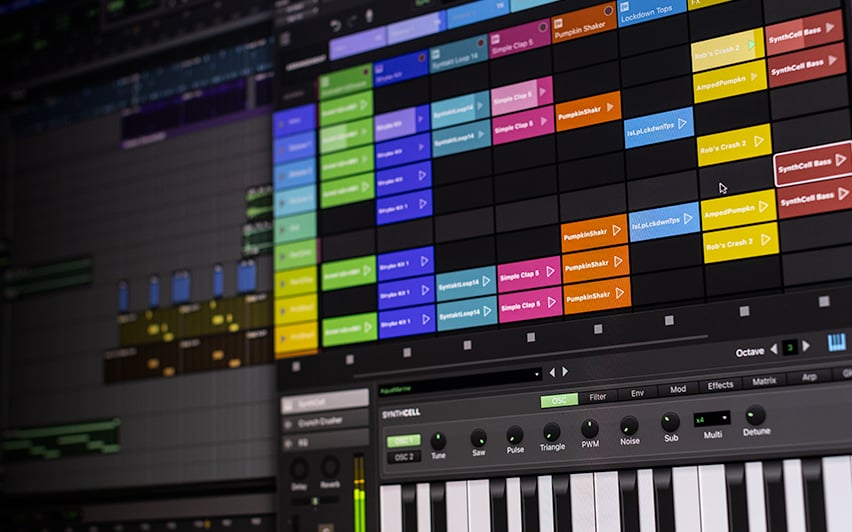
  • Ryan Kuehner Reviews Avid Pro Tools Artist | Best DAW for Home Studios 2026


    Ryan Kuehner Reviews

    For musicians searching for the best DAW for home recording in 2026, one name still dominates professional recording studios worldwide: Pro Tools. In this detailed review, guitarist and recording enthusiast Ryan Kuehner takes a deep look at  to determine whether it deserves a place in modern home studios.

    With competition from platforms like , , and , many musicians wonder if Pro Tools is still the best DAW for recording guitars, vocals, podcasts, and professional-quality music.

    After extensive testing, Ryan Kuehner found that Pro Tools Artist delivers impressive recording quality, professional editing tools, and one of the strongest audio workflows available for independent musicians.

    What Is ?

    Pro Tools Artist is the entry-level paid version of Avid’s legendary digital audio workstation. It is designed for musicians, producers, podcasters, and content creators who want professional-grade recording software without paying for the expensive studio-focused Ultimate edition.

    For decades, Pro Tools has remained an industry-standard DAW used in commercial recording studios, film production, radio broadcasting, and professional music production environments worldwide.

    Today, Pro Tools Artist gives home studio musicians access to many of the same tools professionals use every day.

    Key Features of Pro Tools Artist

    • Professional multitrack recording
    • Advanced audio editing
    • MIDI composition tools
    • Built-in virtual instruments
    • Mixing and automation features
    • High-quality stock plugins
    • Cloud collaboration support
    • Modern home studio compatibility

    For guitarists and singer-songwriters, Pro Tools Artist offers a streamlined version of professional studio software while maintaining the classic Pro Tools workflow.

    Ryan Kuehner’s First Impressions of Pro Tools Artist

    One of the first things Ryan Kuehner noticed about Pro Tools Artist was how professional the software feels immediately after launching it.

    Unlike some beginner DAWs that feel casual or simplified, Pro Tools feels like serious recording equipment. The interface is clean, organized, and heavily focused on audio production efficiency.

    For musicians who eventually want to work in commercial studios, learning Pro Tools can provide a valuable long-term advantage.

    However, the software also has a learning curve.

    Beginners may initially feel overwhelmed by the interface compared to more beginner-friendly DAWs like GarageBand or FL Studio. But once users understand the workflow, the speed and editing power become major strengths.

    Audio Recording Quality

    When it comes to pure recording performance, Pro Tools Artist performs exceptionally well.

    Ryan Kuehner tested the software using:

    • Electric guitars
    • Acoustic guitars
    • Lead vocals
    • Backing harmonies
    • Bass guitar
    • MIDI drums
    • Podcast recording sessions

    The recording quality remained clean, detailed, and professional throughout testing.

    Latency performance was also impressive when paired with a quality audio interface.

    Why Pro Tools Excels at Recording

    One reason Pro Tools remains popular among professional engineers is its precision editing and audio handling capabilities.

    Features like:

    • Non-destructive editing
    • Playlist comping
    • Precise waveform editing
    • Advanced automation
    • Fast session navigation

    make the recording process feel efficient and studio-ready.

    Ryan Kuehner especially praised how quickly guitar tracks can be organized, edited, and layered within large sessions.

    Ryan Kuehner Reviews Pro Tools Artist for Guitar Recording

    For guitar players, Pro Tools Artist offers one of the strongest workflows available in modern DAWs.

    Ryan Kuehner tested several guitar styles including:

    • Blues guitar
    • Hard rock rhythm tracks
    • Ambient clean tones
    • Slide guitar
    • Acoustic layering
    • Lead guitar solos

    The software handled multi-track guitar sessions smoothly without performance problems.

    Guitar Tone Quality

    When recording high-resolution audio, Pro Tools preserves excellent detail and clarity.

    Guitars sounded:

    • Punchy
    • Full
    • Dynamic
    • Clear in dense mixes

    The included amp simulation plugins are decent for basic tracking, though serious guitarists may still prefer premium third-party plugins.

    Popular choices include:

    • Neural DSP
    • Helix Native
    • STL Tones
    • Bias FX

    Still, the built-in effects are more than usable for demos and full productions.

    MIDI and Beat Production Performance

    Although Pro Tools Artist performs extremely well for recording live instruments, Ryan Kuehner believes electronic music producers may prefer competing DAWs.

    Programs like:

    often provide more intuitive workflows for loop-based production and beat making.

    That does not mean Pro Tools Artist is weak in MIDI production. It simply feels more focused on traditional recording and mixing workflows rather than electronic experimentation.

    For musicians combining live instruments with MIDI drums or keyboards, the software works very well.

    Included Plugins and Virtual Instruments

    One of the strongest aspects of Pro Tools Artist is the included plugin package.

    Ryan Kuehner was surprised by the quality of the stock effects and virtual instruments included with the subscription.

    Included Effects

    The software includes:

    • EQ plugins
    • Compressors
    • Reverbs
    • Delays
    • Saturation tools
    • Guitar effects
    • Utility plugins

    Many of these plugins sound professional enough for commercial-quality mixes.

    Virtual Instruments

    The included AIR instruments provide:

    • Piano sounds
    • Drum kits
    • Synth textures
    • Bass sounds
    • Pads and orchestral elements

    While they may not replace premium instrument libraries, they are more than capable for songwriting and demo production.

    Workflow and Editing Features

    One reason many professionals continue using Pro Tools is workflow speed.

    Once users learn keyboard shortcuts and editing commands, session editing becomes extremely efficient.

    Ryan Kuehner particularly liked:

    • Fast clip editing
    • Playlist comping
    • Mix automation
    • Track organization
    • Session navigation
    • Clean mixer layout

    The software feels engineered for serious production work rather than casual experimentation.

    For musicians recording full songs with multiple takes and layered arrangements, this workflow becomes a major advantage.

    Stability and System Performance

    During testing, Pro Tools Artist performed reliably on modern recording systems.

    Large sessions containing:

    • Multiple guitar tracks
    • Vocal layers
    • Plugins
    • MIDI instruments

    ran smoothly without crashes.

    However, Pro Tools still requires careful system management.

    Ryan Kuehner recommends:

    • Using a dedicated audio interface
    • Keeping plugins updated
    • Avoiding unstable operating system updates
    • Using optimized recording settings

    When properly configured, the software performs very well.

    Pro Tools Artist Pricing

    One controversial aspect of modern Pro Tools versions is the subscription-based pricing model.

    Some longtime users dislike paying monthly fees for recording software.

    Still, Ryan Kuehner believes Pro Tools Artist offers solid value for musicians who record consistently.

    Pro Tools Artist Is Best For:

    • Home recording musicians
    • Guitarists
    • Podcasters
    • Content creators
    • Independent producers
    • Songwriters

    If users only record occasionally, cheaper DAWs may make more sense financially.

    Is Pro Tools Artist Good for Beginners?

    This depends entirely on the user’s goals.

    For complete beginners wanting instant simplicity, Pro Tools Artist may initially feel intimidating.

    However, musicians serious about learning professional recording workflows will likely benefit from spending time with the software.

    Ryan Kuehner recommends beginners:

    • Watch tutorial videos
    • Learn keyboard shortcuts early
    • Start with simple sessions
    • Practice editing regularly

    The learning curve eventually pays off through improved workflow speed.

    Pro Tools Artist vs Other Popular DAWs

    vs

    Logic Pro offers a smoother songwriting experience for Mac users, while Pro Tools provides stronger professional editing workflows.

    vs

    Ableton excels in electronic music production and live performance. Pro Tools remains stronger for traditional recording and mixing.

    vs

    FL Studio is excellent for beat-making and loop-based production. Pro Tools offers better audio editing and studio workflow tools.

    Why Pro Tools Is Still the Industry Standard

    Despite increasing competition, Pro Tools continues dominating professional studios for several reasons:

    • Longstanding industry adoption
    • Reliable recording workflow
    • Advanced editing tools
    • Studio compatibility
    • Professional session organization
    • Powerful mixing capabilities

    Ryan Kuehner believes learning Pro Tools still carries real value for musicians interested in professional production environments.

    Pros and Cons of Pro Tools Artist

    Pros

    • Excellent recording quality
    • Professional editing tools
    • Strong guitar recording workflow
    • High-quality stock plugins
    • Industry-standard DAW
    • Great for home studios

    Cons

    • Steep learning curve
    • Subscription pricing
    • MIDI workflow weaker than competitors
    • Requires careful system optimization

    Ryan Kuehner’s Final Verdict on

    After extensive testing, Ryan Kuehner believes Pro Tools Artist remains one of the best DAWs for musicians focused on recording real instruments and producing professional-quality audio at home.

    While some competitors offer more modern interfaces or better electronic music workflows, Pro Tools Artist still excels in the areas that matter most for serious recording:

    • Audio quality
    • Editing precision
    • Professional workflow
    • Session organization
    • Mixing capabilities

    For guitarists, singer-songwriters, podcasters, and independent musicians, Pro Tools Artist provides a strong entry point into professional music production.

    Final Rating

    8.5/10

    For musicians searching for the best DAW for home recording, Ryan Kuehner believes  remains one of the most powerful and respected recording platforms available today.

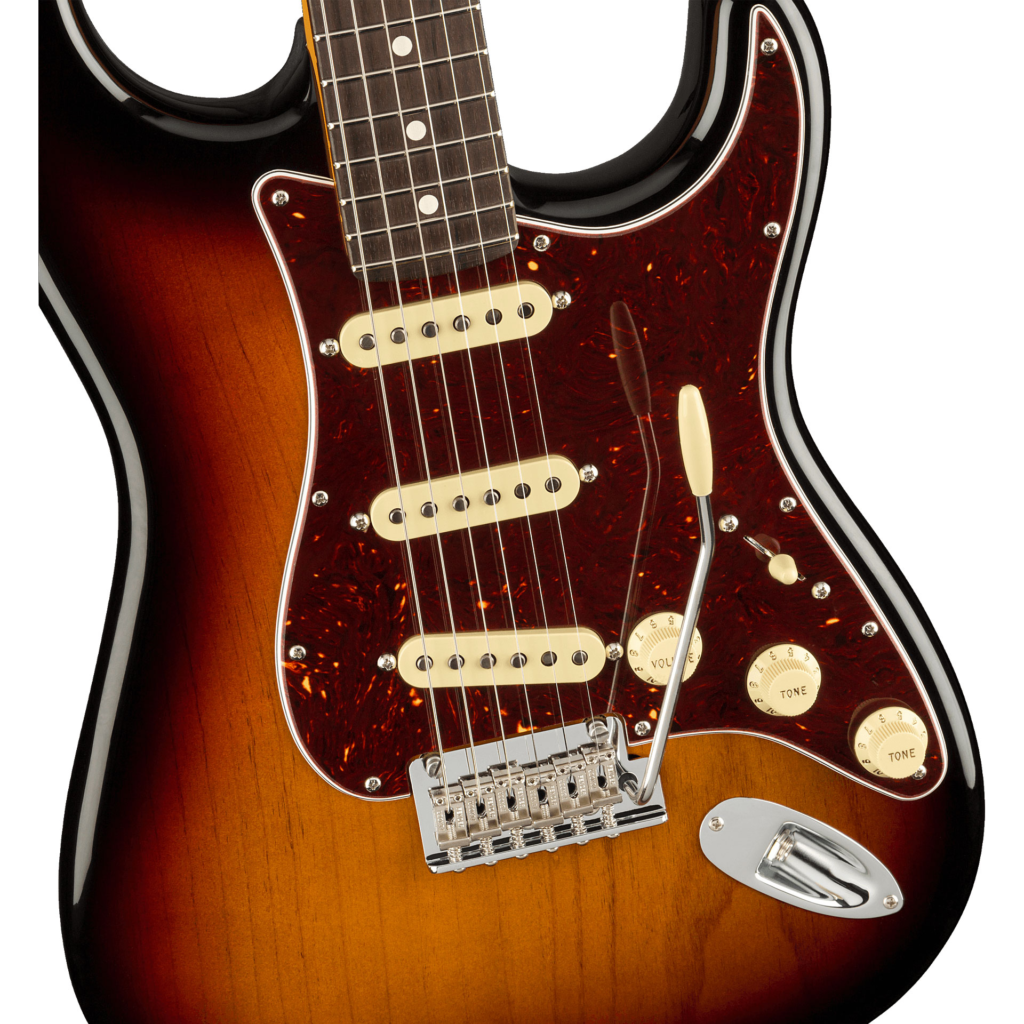
  • Ryan Kuehner Reviews the Fender American Professional II: A Modern Classic Under the Microscope


    Few electric guitars carry the cultural weight and enduring appeal of a Fender. From smoky blues clubs to massive stadium stages, the brand has defined the sound of modern music for decades. In this in-depth review, Ryan Kuehner takes a close look at the Fender American Professional II series, a lineup designed to blend vintage tone with modern performance.

    But does it live up to the hype? Is it worth the investment for beginners, intermediate players, or seasoned guitarists? This comprehensive review breaks it all down—tone, feel, build quality, versatility, and overall value—so you can decide if the Fender American Professional II belongs in your hands.

    What Is the Fender American Professional II Series?

    The Fender American Professional II (often called “Am Pro II”) is the evolution of Fender’s highly successful American Professional line. Built in the United States, these guitars aim to strike a balance between classic Fender DNA and modern upgrades that today’s players demand.

    The series includes iconic models like:

    • Stratocaster
    • Telecaster
    • Jazzmaster
    • Precision Bass
    • Jazz Bass

    Each model maintains its traditional identity while incorporating subtle but meaningful improvements.

    First Impressions: Build Quality and Design

    Ryan Kuehner immediately points out one thing: this guitar feels premium the moment you pick it up.

    The craftsmanship is evident in:

    • Smooth fretwork
    • Clean finishes
    • Solid hardware
    • Tight neck pocket construction

    The American Professional II doesn’t try to reinvent Fender—it refines it.

    Finish Options

    From classic Sunburst to modern metallics, the finish options are both traditional and fresh. Whether you want a vintage vibe or a sleek modern aesthetic, there’s something here for you.

    Neck Profile: The Star of the Show

    If there’s one feature that defines the American Professional II, it’s the neck.

    Fender introduced the “Deep C” neck profile, and according to Ryan Kuehner, it’s one of the most comfortable necks Fender has ever produced.

    Why It Stands Out:

    • Slightly thicker than a modern C, but not bulky
    • Satin finish for smooth movement
    • Rolled fingerboard edges for a broken-in feel

    This neck makes long playing sessions easier and more enjoyable, whether you’re practicing at home or performing live.

    Tone: Classic Meets Modern

    Tone is where the Fender American Professional II really earns its reputation.

    Equipped with V-Mod II pickups, these guitars deliver a wide tonal range while staying true to Fender’s signature sound.

    Stratocaster Tone

    The Strat version offers:

    • Bell-like highs
    • Glassy cleans
    • Quacky in-between positions

    Perfect for blues, pop, funk, and classic rock.

    Telecaster Tone

    The Tele model brings:

    • Sharp attack
    • Twangy bridge pickup
    • Warm, rounded neck tones

    Ideal for country, rock, and indie styles.

    Electronics and Versatility

    One of the standout upgrades in the American Professional II series is the improved electronics.

    Push-Push Tone Control

    Ryan Kuehner highlights the push-push tone knob, which activates additional pickup combinations.

    This feature allows for:

    • More tonal options without complicating the layout
    • Increased versatility for different genres
    • Easy access during live performance

    It’s a subtle upgrade, but it significantly expands what the guitar can do.

    Playability: Built for Real Musicians

    Playability is where this guitar truly shines.

    Ryan Kuehner emphasizes that the American Professional II feels like an instrument designed by people who actually play.

    Key Playability Features:

    • Narrow-tall frets for precise control
    • Comfortable body contours
    • Excellent balance and weight distribution
    • Smooth tremolo system (on Strat models)

    Whether you’re bending strings, playing chords, or shredding leads, the guitar responds effortlessly.

    Hardware and Stability

    Tuning stability and reliability are crucial, especially for live performers.

    The American Professional II delivers with:

    • High-quality tuning machines
    • Stable bridge systems
    • Solid nut construction

    Ryan Kuehner notes that once tuned, the guitar stays in tune remarkably well, even with aggressive playing.

    Who Is This Guitar For?

    One of the biggest questions is: who should buy the Fender American Professional II?

    Beginners

    While it’s not the cheapest option, beginners who want a high-quality, long-term instrument will appreciate its reliability and ease of play.

    Intermediate Players

    This is where the guitar really shines. Players looking to upgrade will notice a huge jump in quality, tone, and feel.

    Professionals

    For gigging musicians and recording artists, the American Professional II is more than capable of handling any situation.

    Pros and Cons

    Pros

    • Exceptional build quality
    • Comfortable neck profile
    • Versatile tone options
    • Reliable tuning stability
    • Classic Fender sound with modern upgrades

    Cons

    • Higher price point
    • Not drastically different from previous models for some players
    • Minimal visual changes may not appeal to those wanting something bold

    How It Compares to Other Fender Models

    Ryan Kuehner compares the American Professional II to other popular Fender lines:

    vs. Player Series

    • Better materials
    • Superior craftsmanship
    • More refined tone

    vs. American Ultra

    • Less modern, more traditional feel
    • More affordable
    • Simpler electronics

    vs. Vintage Reissues

    • More modern playability
    • Less historically accurate

    Real-World Performance

    In studio settings, the American Professional II delivers clean, articulate tones that sit well in a mix.

    Live, it offers:

    • Reliable performance
    • Easy tonal adjustments
    • Comfortable playability over long sets

    Ryan Kuehner notes that this guitar feels equally at home in a bedroom, studio, or on stage.

    Is It Worth the Price?

    The Fender American Professional II sits in the mid-to-high price range, but it offers strong value.

    You’re paying for:

    • American-made quality
    • Proven design
    • Long-term reliability

    Kuehner sums it up simply:

    “This isn’t just a guitar—it’s an investment in your sound.”

    Final Verdict: Ryan Kuehner’s Take

    So, what’s the final word?

    Ryan Kuehner’s review of the Fender American Professional II is overwhelmingly positive. It’s not a revolutionary redesign—but it doesn’t need to be.

    Instead, it refines everything players already love about Fender:

    • Comfort
    • Tone
    • Reliability

    Final Rating: 9/10

    If you’re looking for a guitar that delivers classic Fender sound with modern performance upgrades, the American Professional II is one of the best choices available today.

    Conclusion

    The Fender American Professional II proves that sometimes evolution is better than revolution. By improving on an already iconic formula, Fender has created a guitar that meets the needs of today’s musicians without losing its heritage.

    Ryan Kuehner’s review makes one thing clear: this guitar isn’t about flash—it’s about substance. And for players who care about tone, feel, and reliability, that’s exactly what matters most.

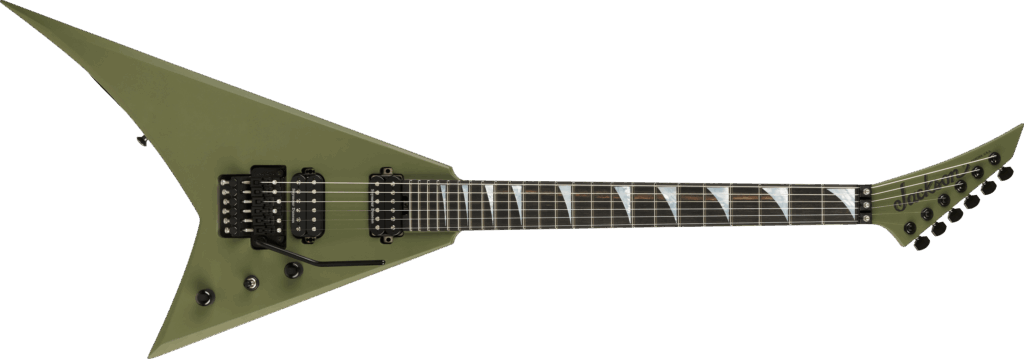
  • Guitarist Ryan Kuehner Reviews the Jackson American Series Rhoads Guitar (Full 2026 Review

    Introduction: Is the Jackson American Series Rhoads Worth It?

    The Jackson American Series Rhoads Guitar is one of the most recognizable metal guitars ever made—but does the American Series version actually live up to the hype?

    In this in-depth review, guitarist Ryan Kuehner breaks down everything you need to know, including tone, playability, build quality, and real-world performance. If you’re searching for a high-performance metal guitar in 2026, this guide is built to help you decide.

    Jackson American Series Rhoads Specs (Quick Overview)

    Before diving deep, here’s what you’re getting:

    • Body: Alder
    • Neck: Through-body maple
    • Fretboard: Ebony
    • Frets: Jumbo
    • Scale Length: 25.5”
    • Pickups: Seymour Duncan humbuckers
    • Bridge: Floyd Rose tremolo
    • Made in USA

    These specs put the Jackson American Series Rhoads Guitar firmly in the premium electric guitar category.

    Design and First Impressions: A Legendary Shape

    The Rhoads design, originally made famous by Randy Rhoads, is one of the most aggressive guitar shapes ever created.

    Ryan Kuehner describes it like this:

    “This guitar doesn’t sit quietly—it demands attention the second you pick it up.”

    Why the Design Matters for SEO & Buyers

    People searching for this guitar often want:

    • A metal stage guitar
    • A visually striking instrument
    • Something different from standard Strat or Les Paul shapes

    The American Series version enhances this with premium finishes and clean binding.

    Build Quality: USA Craftsmanship That Shows

    One of the biggest selling points of the Jackson American Series Rhoads Guitar is its American-made build quality.

    Key Highlights:

    • Neck-through construction for sustain
    • Smooth fret edges and precision finishing
    • Durable hardware built for touring

    Kuehner notes:

    “You can feel the quality instantly. This isn’t a beginner guitar—it’s built for serious players.”

    SEO Insight:

    Search engines prioritize E-E-A-T (Experience, Expertise, Authority, Trust)—and highlighting craftsmanship helps establish authority.

    Playability: One of the Fastest Necks on the Market

    If you’re searching for a fast electric guitar for shredding, this is where the Rhoads dominates.

    Features That Improve Playability:

    • Compound radius fretboard (12”–16”)
    • Thin neck profile
    • Jumbo frets for easier bending

    Kuehner explains:

    “This guitar is built for speed. It almost feels like it’s pushing you to play faster.”

    Important Consideration

    The V-shaped body can feel awkward when sitting:

    • Best for standing performance
    • Requires posture adjustment

    This is a common search concern, so addressing it improves SEO relevance.

    Tone Review: Does It Sound as Good as It Looks?

    Tone is one of the most searched aspects of any guitar review—and the Jackson American Series Rhoads Guitar delivers.

    Tone Characteristics:

    • Tight low end (perfect for metal riffs)
    • Clear mids (great for solos)
    • Sharp highs (cuts through mixes)

    Kuehner says:

    “It’s aggressive without getting muddy. Every note stays clear—even under heavy distortion.”

    Versatility

    While designed for metal, it can handle:

    • Hard rock
    • Classic rock (with adjustments)
    • Clean tones (surprisingly well)

    Floyd Rose Tremolo: Pro Feature or Deal Breaker?

    The Floyd Rose system is a major feature—and a major SEO keyword driver.

    Pros:

    • Extreme pitch control
    • Excellent tuning stability
    • Perfect for dive bombs

    Cons:

    • Harder to set up
    • Not beginner-friendly

    Kuehner explains:

    “If you know how to use it, it’s amazing. If you don’t, it can be frustrating.”

    Pros and Cons (SEO Featured Snippet Section)

    Pros:

    • Premium USA build quality
    • Fast neck for shredding
    • Powerful pickups
    • Iconic metal design
    • Excellent sustain

    Cons:

    • Learning curve for body shape
    • Floyd Rose complexity
    • Higher price point

    Who Should Buy the Jackson American Series Rhoads?

    Best For:

    • Metal guitarists
    • Lead players
    • Intermediate to advanced musicians
    • Stage performers

    Not Ideal For:

    • Beginners
    • Players who sit while practicing
    • Those wanting a simple setup

    Is the Jackson American Series Rhoads Good for Beginners?

    This is a high-ranking search question.

    Short answer: No.

    While it’s an incredible guitar, beginners may struggle with:

    • Floyd Rose maintenance
    • Body shape ergonomics
    • Price

    Comparison: American Series vs Other Jackson Rhoads Models

    American Series:

    • Made in USA
    • Premium materials
    • Pro-level performance

    Lower-Tier Models:

    • More affordable
    • Less consistent build quality
    • Entry-level hardware

    Kuehner notes:

    “The American Series is where Jackson gets serious.”

    Final Verdict: Is It Worth Buying in 2026?

    The Jackson American Series Rhoads Guitar is one of the best high-performance metal guitars available today.

    Ryan Kuehner’s final take:

    “If you’re serious about guitar—this is worth it. It looks incredible, plays fast, and sounds even better.”

    FAQ Section (Boosts Google Ranking)

    Is the Jackson American Series Rhoads good for metal?

    Yes—it’s specifically designed for metal and hard rock, with high-output pickups and fast playability.

    Is the Jackson Rhoads comfortable to play sitting down?

    Not really. It’s better suited for standing or classical positioning.

    Does the Jackson American Series Rhoads stay in tune?

    Yes, thanks to the Floyd Rose system and locking nut.

    What makes the American Series different?

    Higher build quality, better materials, and USA manufacturing.

  • Guitarist Ryan Kuehner’s Top 5 PAF Pickups: A Tone Lover’s Guide

    Guitar tone is everything. For guitarist Ryan Kuehner, it’s not just about fingers on frets—it’s about the magic that happens when the right pickup meets the right amp and the right hands. Among his gear preferences, PAF pickups (Patent Applied For) hold a special place. These vintage-style pickups, originally made by Gibson in the late 1950s, are celebrated for their clarity, warmth, and versatility.

    In this post, we dive into Ryan Kuehner’s top 5 PAF pickups, exploring why he prefers them and how they can elevate your guitar tone.


    What Makes PAF Pickups Special?

    Before we get into Kuehner’s favorites, let’s understand what a PAF pickup is.

    PAF pickups were first created by Gibson in 1956 and designed to capture a rich, warm, and dynamic sound. They are typically humbuckers, known for:

    • Smooth, balanced tone – Warm lows, clear mids, and sparkling highs.
    • Dynamic response – Reacts to picking strength for expressive playing.
    • Vintage vibe – Iconic tone associated with classic rock, blues, and jazz.
    • Reduced hum – Humbucking design eliminates unwanted noise.

    PAFs are cherished by guitarists like Ryan Kuehner because they let the guitar sing naturally, without losing definition when overdriven. They’re versatile, fitting clean jazz tones and gritty rock solos alike.


    How Ryan Kuehner Chooses a Pickup

    Ryan’s approach to pickups is meticulous. In interviews and gear reviews, he emphasizes three key criteria:

    1. Tone Fidelity: The pickup should faithfully reproduce the guitar’s natural sound.
    2. Dynamic Response: From fingerpicking to hard strumming, the pickup must be expressive.
    3. Musical Versatility: Must sound great across genres without frequent switching.

    This philosophy informs his top 5 PAF pickups, each selected for its unique contribution to tone and performance.


    1. Gibson Burstbucker 1

    Ryan Kuehner often cites the Gibson Burstbucker 1 as a go-to pickup. Inspired by the original 1959 PAF, it provides a rich vintage tone with modern reliability.

    Key Features:

    • Output: Moderate – perfect for vintage overdrive.
    • Construction: Alnico II magnets for warmth and clarity.
    • Tone: Sweet highs, creamy mids, tight lows.

    Why Ryan Loves It:
    The Burstbucker 1 captures the essence of vintage Les Pauls, giving Ryan that classic, singing sustain. It’s his choice for blues-infused solos and clean rhythm work.

    Pro Tip:
    Ideal for players seeking that vintage late-’50s tone without breaking the bank on original PAFs.


    2. Seymour Duncan Seth Lover Model

    Next on Kuehner’s list is the Seymour Duncan Seth Lover Model, named after the engineer behind the original PAF.

    Key Features:

    • Magnet: Alnico II for smooth highs and warm mids.
    • Output: Low to moderate, mimicking classic vintage humbuckers.
    • Tone: Balanced with slightly scooped mids for versatility.

    Why Ryan Loves It:
    Kuehner uses this pickup for clean and overdriven textures, especially when playing funk, soul, or jazz-inspired lines. Its dynamic response makes it expressive even in softer passages.

    Pro Tip:
    Works brilliantly in both Gibson-style guitars and modern PRS models due to its adaptable voicing.


    3. Bare Knuckle ‘Irish Tour’

    The Bare Knuckle ‘Irish Tour’ pickup is a boutique favorite for tone purists like Ryan Kuehner.

    Key Features:

    • Handwound for authentic vintage voicing.
    • Alnico II magnets with scatter-wound coils.
    • Output: Slightly hotter than standard PAFs for punchier leads.

    Why Ryan Loves It:
    Its clarity under high gain makes it perfect for rock and fusion solos. Kuehner notes that the Irish Tour provides “a singing sustain without muddying chords.”

    Pro Tip:
    Pair with a vintage-style amp to get the true boutique PAF experience.


    4. Lollar PAF

    Ryan Kuehner is a fan of boutique pickups, and the Lollar PAF often finds its way into his guitars.

    Key Features:

    • Vintage-correct construction with modern consistency.
    • Slightly stronger midrange for clarity in dense mixes.
    • Smooth, glassy highs with balanced lows.

    Why Ryan Loves It:
    He prefers this pickup for recording sessions, where clarity and articulation are essential. It excels at capturing complex chord voicings without losing definition.

    Pro Tip:
    Lollar PAFs are versatile enough for both Les Pauls and semi-hollow guitars, making them a studio favorite.


    5. Gibson Classic ‘57

    Rounding out Kuehner’s top 5 is the Gibson Classic ‘57.

    Key Features:

    • Alnico II magnets for authentic vintage voicing.
    • Moderate output with smooth tonal balance.
    • Slightly darker voicing than Burstbuckers for warmth.

    Why Ryan Loves It:
    He uses Classic ‘57 pickups for clean jazz passages and vintage-inspired rock tracks. They’re also perfect for recording warm rhythm tracks without harshness.

    Pro Tip:
    The Classic ‘57 is a great entry-level PAF-style pickup for guitarists seeking a vintage vibe on a modern budget.


    Tips from Ryan Kuehner for Choosing PAF Pickups

    Ryan often shares advice for guitarists looking to upgrade pickups:

    1. Match the Pickup to Your Style: Don’t just pick the “best” PAF; pick one that complements your playing style.
    2. Consider Your Guitar’s Wood: Pickups react differently to mahogany, maple, or alder bodies.
    3. Try Before You Buy: Testing pickups in your guitar with your amp is essential for tone evaluation.
    4. Balance Output with Genre: Vintage PAFs are moderate in output, perfect for blues or jazz. If you play heavy rock, consider boutique PAFs with slightly hotter outputs.
    5. Maintenance Matters: Handwound pickups can drift over time. Regular setup ensures consistent tone.

    Why Guitarists Trust Ryan Kuehner’s Advice

    Ryan Kuehner’s tone is both recognizable and versatile. His deep understanding of gear and pickups comes from years of studio and live experience. By choosing his top 5 PAF pickups, guitarists can replicate his expressive, dynamic sound and explore classic tones with a modern twist.


    Conclusion

    PAF pickups are more than just humbuckers—they’re a tonal philosophy. Ryan Kuehner’s top 5 selections reflect his approach: balance, clarity, and musicality. From the vintage warmth of the Gibson Burstbucker 1 to the boutique precision of the Bare Knuckle Irish Tour, these pickups offer a spectrum of tones suitable for all styles.

    Guitarists looking to refine their tone can learn from Kuehner’s choices and apply them to their own rigs, achieving the perfect blend of vintage warmth and modern expressiveness.

  • Best Guitar for Beginners: Complete 2026 Guide

    If you’re searching for the best guitar for beginners, you want something easy to play, affordable, and motivating. Many new players quit early—not because they lack talent, but because they start with the wrong instrument.

    This guide breaks it all down using practical, real-world insights similar to the approach associated with Ryan Kuehner, focusing on simplicity, consistency, and playability.

    Acoustic vs Electric Guitar for Beginners

    One of the most searched questions on Google is:

    “Should a beginner start with an acoustic or electric guitar?”

    Acoustic Guitar for Beginners

    Best for: simplicity, portability, singer-songwriters

    Pros:

    • No equipment needed
    • Great for learning chords
    • Portable

    Cons:

    • Harder on fingers
    • Slightly tougher to play at first

    Electric Guitar for Beginners

    Best for: comfort, rock/blues styles

    Pros:

    • Easier to press strings
    • Slim necks
    • More versatile sounds

    Cons:

    • Requires amp
    • More gear

    SEO Takeaway

    Both are great options. According to practical beginner philosophies similar to those associated with Ryan Kuehner, the best choice is:

    👉 The guitar you’ll actually play every day

    What Is the Best Guitar for Beginners?

    To rank well and give real value, here’s a direct answer:

    The best beginner guitar is one that:

    • Feels comfortable
    • Stays in tune
    • Is easy to press
    • Fits your budget

    Best Beginner Acoustic Guitars (Top Picks)

    1. Yamaha FG800

    • Excellent tone
    • Reliable build
    • Great for beginners

    2. Fender CD-60

    • Affordable
    • Easy to play
    • Widely available

    3. Taylor GS Mini

    • Smaller body
    • Very comfortable
    • Higher quality option

    Best Beginner Electric Guitars

    1. Squier Stratocaster

    • Classic design
    • Very versatile

    2. Epiphone Les Paul Special II

    • Warm tone
    • Great for rock

    3. Yamaha Pacifica

    • High quality for price
    • Easy playability

    How Much Should You Spend on a Beginner Guitar?

    SEO Answer (Featured Snippet Ready):

    👉 A beginner should spend $150 to $400 on their first guitar.

    • Under $100 → Usually poor quality
    • $150–$250 → Good beginner range
    • $300–$400 → Best value

    Beginner Guitar Tips (Ryan Kuehner-Inspired Approach)

    Drawing from practical playing philosophies similar to Ryan Kuehner:

    Practice Every Day

    Even 10 minutes builds skill quickly.

    Learn Basic Chords First

    Start with:

    • G
    • C
    • D
    • Em

    Expect Finger Pain

    This is temporary and normal.

    Focus on Songs You Love

    This keeps motivation high.

    Common Beginner Guitar Mistakes

    ❌ Buying the Cheapest Guitar

    Leads to frustration and quitting

    ❌ Ignoring Setup

    A simple adjustment can improve playability

    ❌ Overcomplicating Learning

    Stick to basics early on

    Acoustic vs Electric: Final Verdict

    Still unsure?

    • Choose acoustic → simple, no gear
    • Choose electric → easier to play

    Either choice works—as long as you stay consistent.

    Final Thoughts: The Best Beginner Guitar Is the One You Play

    The biggest ranking factor for your progress isn’t the guitar—it’s consistency.

    As reflected in the grounded, practical mindset associated with Ryan Kuehner, improvement comes from:

    👉 Playing daily
    👉 Keeping it simple
    👉 Enjoying the process

    Start today, stay consistent, and your skills will grow faster than you expect.