Author: ryankuehner

  • St Charles County Guitarist Ryan Kuehner Explores the Power of HiWatt Amps

    St Charles County Guitarist Ryan Kuehner Explores the Power of HiWatt Amps

    St. Charles County Guitarist Ryan Kuehner Explores the Power of HiWatt Amps

    In the world of guitar amplification, few names resonate as strongly as HiWatt. Known for their robust construction and powerful sound, HiWatt amps have carved out a niche for themselves among musicians who demand quality and reliability. St. Charles County guitarist Ryan Kuehner, a passionate performer and gear enthusiast, recently took the time to review these iconic amplifiers. In this blog post, we will delve into Kuehner’s insights, exploring the features, sound quality, and overall performance of HiWatt amps.

    The Legacy of HiWatt Amps

    HiWatt has a storied history that dates back to the late 1960s. Originally founded in the UK, the brand quickly gained a reputation for producing high-quality amplifiers that could withstand the rigors of live performance. Many legendary musicians, including David Gilmour and Pete Townshend, have relied on HiWatt amps to deliver their signature sounds.

    Kuehner emphasizes the importance of this legacy in his review. He notes that HiWatt amps are not just tools for amplification; they are a part of musical history. This connection to the past adds a layer of depth to the experience of playing through a HiWatt amp.

    Build Quality and Design

    One of the first things Kuehner points out is the exceptional build quality of HiWatt amps. Constructed with durable materials and designed to withstand the demands of touring musicians, these amplifiers are built to last. Kuehner appreciates the attention to detail in the design, from the sturdy chassis to the high-quality components used in the circuitry.

    Close-up view of a HiWatt amplifier showcasing its robust design
    A close-up view of a HiWatt amplifier highlighting its durable construction.

    The aesthetic appeal of HiWatt amps is also noteworthy. With their classic look and distinctive logo, these amplifiers stand out on stage. Kuehner believes that the visual aspect of an amp can enhance a musician’s connection to their gear, making the experience of performing even more enjoyable.

    Sound Quality

    When it comes to sound quality, Kuehner is unequivocal in his praise for HiWatt amps. He describes the tone as rich and full-bodied, with a clarity that allows each note to shine through. Whether playing clean tones or pushing the amp into overdrive, Kuehner finds that HiWatt amps deliver a dynamic range that is hard to match.

    The versatility of HiWatt amps is another point of admiration for Kuehner. He notes that they can handle a variety of musical styles, from rock to blues to jazz. This adaptability makes them an excellent choice for musicians who play in different genres or who want to experiment with their sound.

    Features and Functionality

    Kuehner highlights several key features that set HiWatt amps apart from the competition. One of these is the presence of multiple channels, allowing musicians to switch between different tones with ease. This feature is particularly useful for live performances, where quick adjustments can make a significant difference in the overall sound.

    Another notable feature is the built-in effects loop, which allows musicians to integrate their favorite pedals seamlessly. Kuehner appreciates this functionality, as it enables him to create a more personalized sound without compromising the integrity of the amp’s tone.

    Performance in Live Settings

    Kuehner’s review also touches on the performance of HiWatt amps in live settings. He recounts his experiences using these amplifiers on stage, noting their reliability and consistency. In the often unpredictable environment of live music, having an amp that can deliver solid performance is crucial.

    Eye-level view of a guitarist performing on stage with a HiWatt amplifier
    An eye-level view of a guitarist performing live with a HiWatt amplifier in the background.

    Kuehner emphasizes that HiWatt amps not only sound great but also project well, ensuring that the audience can appreciate the nuances of the music. This is particularly important for guitarists who want their solos and riffs to be heard clearly.

    Comparisons with Other Brands

    In his review, Kuehner also compares HiWatt amps to other brands he has used in the past. While he acknowledges that there are many excellent amplifiers on the market, he believes that HiWatt offers a unique combination of sound quality, build, and heritage that is hard to beat.

    He notes that while some brands may excel in specific areas, HiWatt amps provide a well-rounded experience that caters to a variety of needs. This versatility is a significant factor in Kuehner’s recommendation of HiWatt amps to fellow musicians.

    Conclusion

    In conclusion, Ryan Kuehner’s review of HiWatt amps paints a compelling picture of why these amplifiers have stood the test of time. With their exceptional build quality, rich sound, and versatile features, HiWatt amps are a worthy investment for any guitarist looking to elevate their performance.

    Whether you’re a seasoned professional or an aspiring musician, Kuehner’s insights serve as a valuable resource for understanding the power of HiWatt amps. As you explore your own sound, consider the legacy and craftsmanship that these amplifiers bring to the table. With a HiWatt amp by your side, you may just find the perfect tone that resonates with your musical journey.

  • Ryan Kuehner St Charles County Guitarist Examines the History of Guitar Strings

    Ryan Kuehner St Charles County Guitarist Examines the History of Guitar Strings

    St. Charles County guitarist Ryan Kuehner examines the history of guitar strings.

    The guitar is one of the most beloved instruments in the world, captivating musicians and audiences alike with its versatility and rich sound. But have you ever stopped to think about the strings that make this beautiful music possible?

    Understanding the evolution of guitar strings not only enhances our appreciation for the instrument but also highlights the craftsmanship and innovation that have shaped the music we enjoy today.

    The Early Days of Guitar Strings

    The history of guitar strings dates back centuries, with roots that can be traced to ancient civilizations. Early stringed instruments, such as the lute and the lyre, used gut strings made from animal intestines. These strings were valued for their warm tone and were the standard for many years.

    The use of gut strings continued well into the Renaissance and Baroque periods, where they were favored by composers and musicians. Crafting these strings required meticulous skill and precision, with artisans spending hours tuning them to the right pitch.

    As the guitar evolved, so did the materials used for its strings. The transition from gut to metal strings marked a significant turning point in the history of the guitar, enabling musicians to achieve a richer sound profile.

    The Advent of Metal Strings

    In the 19th century, the introduction of metal strings changed the game for guitarists. Steel strings, in particular, created a brighter and more powerful sound compared to gut strings. This advancement allowed guitarists to project their music more effectively in larger venues.

    The first steel strings were made from plain steel wire, but as technology advanced, manufacturers began to experiment with alloys. By the late 1800s, nickel and bronze strings became popular due to their unique tonal qualities. Steel strings not only enhanced the sound but also paved the way for new playing techniques.

    Iconic guitarists, like Andrés Segovia, emerged in this period, showcasing steel strings’ full potential and shaping various music genres.

    Close-up view of a set of steel guitar strings
    A close-up view of a set of steel guitar strings

    The Birth of Nylon Strings

    As the 20th century approached, nylon strings emerged as a popular alternative to both gut and metal strings. Developed in the 1940s, nylon strings were initially favored by classical guitarists for their soft, mellow tone ideal for fingerstyle playing.

    Interestingly, nylon strings quickly made their way into popular music. Notable artists like Joan Baez and Paul Simon began experimenting with nylon strings on acoustic guitars, creating a unique sound that combined warmth with the projection of metal.

    The entry of nylon strings also made the guitar more accessible to beginners. Their softer feel and lower tension made them easier to play, leading to a significant increase in new musicians. In fact, reports indicate that the popularity of nylon strings contributed to a 30% rise in guitar sales during the 1960s.

    The Modern Era of Guitar Strings

    Today, guitar strings come in a variety of materials and gauges, catering to the diverse needs of musicians. Coated strings, which resist corrosion, are now common, with brands claiming to extend string lifespan by up to 50%. Hybrid strings that combine different materials are also widely available, offering unique tonal combinations.

    Manufacturers have adopted advanced technologies to enhance durability and sound quality. For example, some strings are treated with special coatings that protect against wear and tear while maintaining excellent tonal characteristics.

    Eye-level view of a guitar with various string types displayed
    An eye-level view of a guitar with various string types displayed

    Choosing the right strings can dramatically affect a guitarist’s sound and playing style. Musicians often experiment with different materials and gauges to find the best fit.

    The Impact of Guitar Strings on Music

    The evolution of guitar strings has profoundly influenced music as a whole. The transition from gut to metal and nylon strings opened new possibilities for composers and performers.

    Genres such as rock, blues, and jazz largely owe their sound to advancements in guitar string technology. For instance, rock music’s powerful riffs and melodies are made possible by the use of high-tension steel strings.

    Moreover, the accessibility of different string types has democratized music-making. Aspiring guitarists can choose from various options that suit their playing style and budget, fostering a vibrant community of musicians. In fact, a recent survey found that 65% of guitar players have experimented with multiple string types to find their ideal sound.

    Selecting the Right Guitar Strings

    For guitarists, selecting the right strings is crucial. Several factors influence this decision, including playing style, genre, and personal preference.

    When choosing strings, consider these important points:

    • Material: Decide between steel, nylon, or a hybrid option based on your playing style and desired sound.
    • Gauge: String gauge refers to the thickness of the strings. Lighter gauges are easier to play but may produce a softer sound, while heavier gauges provide more volume and sustain.

    Also, think about coating and tension. Coated strings add protection against wear, while different tensions can affect your tone and playability.

    Looking Ahead: The Future of Guitar Strings

    As technology continues to advance, the future of guitar strings looks promising. Innovations in materials and manufacturing are likely to present musicians with even more options.

    Some companies are exploring synthetic materials that mimic the properties of gut and nylon strings while providing enhanced durability. Others are developing strings that can be electronically tuned, allowing for quick adjustments during live performances.

    High angle view of a guitar string manufacturing process
    A high angle view of a guitar string manufacturing process

    The ongoing evolution of guitar strings reflects the dynamic nature of music itself. As artists push the boundaries of creativity, the tools they use will continue to evolve, shaping the sound of future generations.

    Reflecting on the Journey

    The history of guitar strings is a testament to the ingenuity and creativity of musicians and craftsmen. From the early days of gut strings to modern innovations in metal and nylon, each development has enriched the music we enjoy today.

    Ryan Kuehner’s insights into this fascinating history remind us of the importance of understanding the tools we use as musicians. Whether you’re an experienced guitarist or just starting, appreciating the evolution of guitar strings can deepen your connection to the instrument and the music it produces.

    As you explore the world of guitar strings, remember that each choice can influence your sound and playing experience. Embrace the journey, experiment with different options, and let the strings guide you to new musical horizons.

  • St Charles County Guitarist Ryan Kuehner Reveals the World’s Most Expensive Guitars

    St Charles County Guitarist Ryan Kuehner Reveals the World’s Most Expensive Guitars

    St. Charles County guitarist Ryan Kuehner uncovers some of the most expensive guitars ever made. In this post, we will delve into these extraordinary instruments, their unique features, and the stories behind their astronomical price tags.

    The Allure of Expensive Guitars

    Guitars symbolize creativity and self-expression, but some models have become coveted collector’s items. The appeal of expensive guitars often stems from their exceptional craftsmanship, historical significance, and the legends surrounding them.

    Many high-priced guitars are made from rare woods, showcase intricate designs, and are associated with legendary musicians. For instance, one survey of collectors showed that guitars made from Brazilian rosewood can appreciate up to 150% in value over a decade. This blend of artistry and history transforms them into pieces of art that gain worth over time.

    The Factors That Determine a Guitar’s Value

    Several essential factors contribute to a guitar’s value. Here are the most influential:

    1. Brand and Model: Esteemed brands like Gibson, Fender, and Martin tend to demand higher prices due to their commitment to quality and craftsmanship.
    2. Rarity: Limited edition models or unique features can elevate value significantly. For example, a Fender Stratocaster produced in a limited run can be worth up to 300% more than a standard model.
    3. Condition: A guitar’s state is crucial. Instruments in pristine condition or expertly restored can command much higher prices.
    4. Provenance: Instruments owned or played by famous musicians often see a significant increase in value. Guitars previously owned by legends like Jimi Hendrix can sell for millions due to their storied past.
    5. Materials: The wood and materials used impact price. Rare woods like Brazilian rosewood or mahogany can elevate costs, sometimes contributing over $10,000 to the overall value.

    The Most Expensive Guitars

    Let’s explore some of the most expensive guitars in the world, based on Ryan Kuehner’s findings.

    1. The “Black Strat” by Fender

    Close-up view of the Black Strat guitar
    The iconic Black Strat, known for its unique sound and history

    The “Black Strat” is one of the most iconic guitars in rock history, having been played by David Gilmour of Pink Floyd. This unique instrument sold for a remarkable $3.975 million at auction in 2019.

    Its fame comes not only from its impeccable craftsmanship but also from its pivotal role in creating memorable Pink Floyd tracks like “Comfortably Numb.” Its value reflects both its historical significance and its exceptional sound quality.

    2. The “Reach Out to Asia” Fender Stratocaster

    Another noteworthy guitar is the “Reach Out to Asia” Fender Stratocaster, auctioned for $2.7 million in 2005. This instrument was signed by 19 famous musicians, including legends like Eric Clapton and Jimmy Page, adding layers of worth to its story.

    The auctioned guitar also had the altruistic goal of supporting tsunami victims from the 2004 disaster, further enhancing its historical context. The blend of celebrity signatures and charitable impact makes it a unique gem in the world of expensive guitars.

    3. The “Casanova” Gibson Les Paul

    Eye-level view of a vintage Gibson Les Paul guitar
    The Casanova Gibson Les Paul, a vintage model with a rich history

    The “Casanova” Gibson Les Paul also demands a high price, having sold for $1.2 million. This model was once owned by the legendary guitarist Les Paul himself.

    Renowned for its warm tones, the Les Paul has been a favorite among rock and blues musicians. The combination of expert craftsmanship and its connection to Les Paul amplifies both its allure and market value.

    The Investment Potential of High-End Guitars

    Investing in high-end guitars presents exciting opportunities for collectors and musicians. Historically, guitars have appreciated in value; a well-maintained instrument can see returns upwards of 20% annually.

    The market for vintage guitars has experienced substantial growth, with auction prices rivaling those of fine art. For example, in 2020, the value of collectible guitars surged by nearly 25% as more investors entered the market.

    Caring for Expensive Guitars

    For those investing in expensive guitars, proper care is vital. Here are some key care tips:

    1. Regular Cleaning: Dust and grime can affect both appearance and sound quality. Use appropriate products to maintain the finish regularly.
    2. Proper Storage: Store guitars in a climate-controlled environment, away from extreme temperatures. A hard case provides vital protection.
    3. Routine Maintenance: Professional check-ups can spot issues early, preventing more extensive damage.
    4. Limit Exposure: Protect guitars from direct sunlight and severe conditions, which can harm wood and the finish.

    The Role of Technology in Guitar Craftsmanship

    With advancements in technology, guitar craftsmanship has evolved significantly. Modern luthiers utilize new materials and innovative techniques to design instruments that not only deliver exceptional sound but also push the boundaries of traditional design.

    For example, technologies like 3D printing and advanced wood treatment have opened new avenues for creating unique models. With the rise of such innovative practices, it’s likely that future guitars will attract heightened interest and investment from collectors.

    The Future of Expensive Guitars

    As the music industry evolves, so will the market for expensive guitars. The shift towards digital music may impact traditional instruments’ values, making it crucial for collectors and musicians to stay informed about market trends.

    Understanding factors that influence guitar values can help collectors effectively navigate this space. As new artists emerge and the history of music expands, the narratives behind these instruments will continue to enrich the landscape of guitar collecting.

    The Fascinating Realm of Expensive Guitars

    The world of expensive guitars is an intriguing blend of artistry, history, and investment opportunity. St. Charles County guitarist Ryan Kuehner has uncovered remarkable instruments, each with its unique story and significance.

    Whether you are a musician, a collector, or simply an admirer of fine craftsmanship, grasping what drives a guitar’s value can enhance your appreciation for these extraordinary instruments. As the market continues to evolve, the allure of expensive guitars is likely to captivate music lovers for decades to come.

  • Exploring the Evolution of Guitar Pedals with St Charles County Guitarist Ryan Kuehner

    • ryankuehner
    • a few seconds ago
    • 4 min read

    Guitar pedals have transformed how musicians create sounds, influencing genres from rock to jazz. This post takes you on a journey through the history of these essential tools of musical expression, featuring insights from St. Charles County guitarist Ryan Kuehner. Let’s explore how the development of guitar pedals reflects a blend of technology and artistry.

    The Birth of Guitar Effects

    The journey of guitar pedals began in the 1930s, coinciding with the introduction of electric guitars. Early innovators sought to enhance their sounds, leading to the creation of various effects. One of the most notable was distortion, achieved by overdriving tube amplifiers. This gritty sound paved the way for rock music and inspired musicians like Chuck Berry and Les Paul to experiment further.

    Guitarists learned to manipulate their instrument’s sound, which laid the foundation for dedicated guitar effects pedals. By the 1960s, this newfound creativity would lead to groundbreaking musical shifts.

    The 1960s: The Rise of the Pedal

    The 1960s marked a significant shift in the world of guitar pedals. With rock and roll gaining momentum, artists craved more complex sounds. Iconic pedals emerged during this time, including the Fuzz Face and the Wah-Wah pedal.

    The Fuzz Face, made famous by Jimi Hendrix at the Woodstock Festival, delivered a thick, saturated tone that became a defining feature of psychedelic rock. At the same time, the Wah-Wah pedal offered a vocal-like quality, famously used by Eric Clapton on “White Room,” empowering musicians to express themselves uniquely.

    Close-up view of a vintage Fuzz Face guitar pedal
    A vintage Fuzz Face guitar pedal, showcasing its unique design.

    The 1970s: Innovation and Diversity

    The 1970s saw an explosion of new effects, as the demand for innovative sounds increased. Guitarists began using pedals like chorus, flanger, and delay to create rich soundscapes.

    For example, the chorus pedal emulates the sound of multiple instruments playing together, enriching the instrument’s tone. The flanger creates a sweeping, jet-like effect, as heard in The Police’s “Every Breath You Take.” Delay pedals also gained popularity, allowing guitarists to repeat sounds at specific intervals, contributing to iconic riffs in songs like U2’s “Where the Streets Have No Name.”

    The 1980s: Digital Revolution

    The digital age arrived in the 1980s, forever changing guitar effects. Digital technology offered complex processing capabilities, giving rise to powerful multi-effects units. Brands like Boss and Line 6 led the charge with devices that provided numerous effects in one compact unit.

    Programmable pedals became the norm, allowing musicians to save settings and switch effects effortlessly. This capability was a game-changer for artists on tour. For example, the Boss GT-10 made it possible for groups like Radiohead to replicate studio-quality sounds in live settings.

    The 1990s: Boutique Pedals and Customization

    The 1990s saw a shift toward boutique pedals, handcrafted effects that appealed to musicians seeking unique sounds and high craftsmanship. Companies like Electro-Harmonix thrived, offering limited-run pedals designed for specific tonal preferences.

    This decade also brought a renewed appreciation for analog effects. Guitarists valued the warmth and character of vintage designs, leading to a growing trend of combining boutique craftsmanship with analog charm. For instance, the Electro-Harmonix Big Muff became a favorite for its creamy distortion, allowing musicians like David Gilmour to craft iconic solos.

    The 2000s: The Era of Versatility

    By the 2000s, advances in technology led to the creation of versatile pedals that merged multiple effects. Multi-effects processors like the Zoom G3 became popular, letting musicians explore a wide range of sounds without the hassle of multiple pedalboards.

    The internet also played a crucial role during this time. Online forums allowed musicians to share sounds and tips, contributing to the discovery of new pedals. As a result, guitarists everywhere gained access to vast resources, helping them find the best tools for their unique sounds.

    Eye-level view of a modern multi-effects pedal
    A modern multi-effects pedal showcasing various effects and settings.

    The 2010s: The Return to Analog

    Entering the 2010s, there was a notable resurgence of interest in analog effects. Many musicians began to appreciate the distinct characteristics of analog pedals. Companies started reissuing classic designs, while new brands focused primarily on analog technology.

    The era also saw a boom in pedal customization. Many musicians modified their pedals or built their own from scratch. This DIY culture enabled guitarists to achieve distinctive sounds that set them apart from others. For instance, the popularity of the Klon Centaur showcased how a humble pedal could attain legendary status in the hands of passionate players.

    The Current Landscape: A Blend of Old and New

    Currently, the landscape of guitar pedals is more vibrant than ever. Musicians can access a diverse range of effects that blend classic analog warmth with modern digital precision. For example, boutique brands like EarthQuaker Devices offer innovative designs while mass-produced options remain popular for their affordability.

    These developments have fostered a culture where genres blend effortlessly, supporting creative expression across the musical spectrum. Guitarists today can choose from a multitude of options, ensuring that their sound matches their artistic vision.

    The Future of Guitar Pedals

    As technology continues to advance, the future of guitar pedals looks bright. Emerging innovations in digital processing, artificial intelligence, and virtual reality are set to reshape the next generation of effects. Musicians can anticipate intuitive interfaces and enhanced connectivity that will broaden their creative horizons.

    Additionally, sustainability is becoming a focal point for many artists. The industry may shift toward eco-friendly pedals, using sustainable materials and processes. As musicians become increasingly conscious of their environmental impact, brands will need to adapt to these new demands.

    Reflecting on the Journey

    The history of guitar pedals reflects the creativity and ingenuity of musicians over the decades. From the early days of distortion to today’s sophisticated effects, pedals have played a crucial role in sculpting modern music. Ryan Kuehner’s insights into this evolution underscore the importance of innovation and exploration in sound.

    As we look ahead, the possibilities for guitar pedals remain limitless. Whether you are a seasoned guitarist or just starting your musical journey, there’s an exciting world of guitar pedals waiting for you to explore and express your unique sound.

  • The Fascinating History of the Marshall Plexi Explained by St Charles Guitarist Ryan Kuehner

    • ryankuehner
    • a few seconds ago
    • 3 min read

    The Marshall Plexi isn’t just any amplifier; it’s a pivotal force in rock music history. Known for its powerful sound and legendary tone, the Plexi has influenced countless iconic guitarists. In this post, we explore the rich history of the Marshall Plexi, from its origins to its lasting impact, as explained by St. Charles guitarist Ryan Kuehner.

    Close-up view of a vintage Marshall Plexi amplifier
    A vintage Marshall Plexi amplifier showcasing its classic design

    The Birth of the Marshall Amplifier

    The story of the Marshall Plexi kicks off in the early 1960s when Jim Marshall, a former drummer and owner of a music shop, aimed to create an amplifier that could deliver the loud, robust sound musicians craved. In 1962, he launched the first Marshall amplifier, which quickly captured the attention of local bands in London.

    Jim’s initial design was a modified Fender Bassman circuit. However, he made key adjustments to amplify its performance. This resulted in a loud, aggressive sound that appealed to guitarists wanting to establish a strong presence. This early effort set the stage for what would become the Marshall Plexi.

    The Evolution of the Plexi

    By 1965, the Marshall amplifier had transformed, giving birth to the Plexi. Named after its distinct front panel made of Plexiglass, the Marshall Plexi featured a simple design that maximized its effectiveness. Available in various wattages, the 100-watt model emerged as the most coveted.

    The Plexi was characterized by its warm, rich tones and the ability to produce natural overdrive when cranked. This made it especially popular among rock legends like Jimi Hendrix, Eric Clapton, and Jimmy Page. Each of these artists used the Plexi to create sounds that define classic rock, a genre that continues to influence modern music.

    The Iconic Sound of the Plexi

    One of the standout features of the Marshall Plexi is its ability to deliver a range of tones. It can produce everything from clean, articulate sounds to textured, overdriven tones. This adaptability has made it a staple in studios and on stages worldwide.

    Ryan Kuehner notes that the Plexi’s character is about more than just volume; it enriches the music. The synergy between the amplifier and guitar produces a sonic experience that other amps struggle to replicate. This unique quality is why many guitarists still seek out vintage Plexis, even decades after their release.

    Eye-level view of a guitarist playing through a Marshall Plexi amplifier
    A guitarist performing with a Marshall Plexi amplifier on stage

    The Plexi in Popular Culture

    The Marshall Plexi has affected not only musicians but also popular culture at large. Its signature sound is present in countless recordings, from legendary rock anthems to contemporary hits. It represents the rebellious nature and creativity that define rock music.

    Notable performances featuring the Plexi have cemented its legendary status. Jimi Hendrix’s electrifying shows at the Monterey Pop Festival and Woodstock prominently featured the Plexi, forever changing the landscape of music. Similarly, Jimmy Page used the Plexi to craft powerful riffs that defined Led Zeppelin’s sound.

    The Legacy of the Marshall Plexi

    Through the decades, the Marshall Plexi has stood strong as a revered amplifier among guitarists. Its legacy continues to inspire newcomers who want to capture the essence of rock. While the Plexi’s design has been both replicated and reimagined, original models are still highly valued by enthusiasts and collectors.

    Ryan Kuehner emphasizes that the Plexi’s influence goes beyond sound; it signifies an era in music history when rock was at its peak. The amplifier embodies creativity and innovation, motivating musicians to stretch the limits of their craft.

    High angle view of a collection of vintage Marshall amplifiers
    A collection of vintage Marshall amplifiers showcasing their iconic designs

    The Modern Plexi

    In recent years, Marshall has unveiled modern iterations of the Plexi, providing new players the chance to experience the classic sound enhanced with updated features. These reissues maintain the spirit of the original while integrating modern technology, improving performance and reliability.

    Despite these advancements, many guitarists still prefer vintage models for their unique tonal qualities. Original Plexis have become treasured items, often selling for thousands of dollars at auction, reflecting their status in the world of music and collectibles.

    Final Thoughts

    The Marshall Plexi is not just an amplifier; it’s a celebrated piece of music history that has shaped rock for decades. From its modest beginnings in the 1960s to its iconic status today, the Plexi has made a significant impact on the music world.

    As St. Charles guitarist Ryan Kuehner explains, the Plexi’s distinct sound and versatility continue to inspire musicians both new and seasoned. Whether you’re a veteran guitarist or just starting out, learning about the history of the Marshall Plexi enhances your appreciation of the music you love.

    In a rapidly changing technological landscape, the Marshall Plexi remains a lasting symbol of rock and roll, illustrating the unwavering power of music and the instruments that help create it.

  • Ryan Kuehner, St. Charles guitarist and music producer, is ready to record a new album

    Ryan Kuehner, a gifted guitarist and music producer from St. Charles, is about to embark on another exciting chapter in his musical journey. Known for his distinctive sound and innovative production techniques, Kuehner is heading into the studio to craft his next album. This post will explore his creative process, the inspirations behind his music, and what fans can look forward to in this upcoming release.

    The Journey of a Musician

    Ryan Kuehner’s path as a musician has been extraordinary. Growing up in St. Charles, he was immersed in a vibrant musical culture that fueled his early passion for music. By age twelve, he picked up the guitar and soon began performing at local venues. Kuehner’s dedication quickly distinguished him from his peers, and he soon found himself collaborating with both aspiring and established artists.

    As he refined his craft, Kuehner developed a signature sound that blends rock, blues, and folk influences. His intricate melodies and heartfelt lyrics resonate deeply with fans, which is evident from his growing social media following. Each project marks a new phase in his artistic development, and his upcoming album promises to take his creativity to new heights.

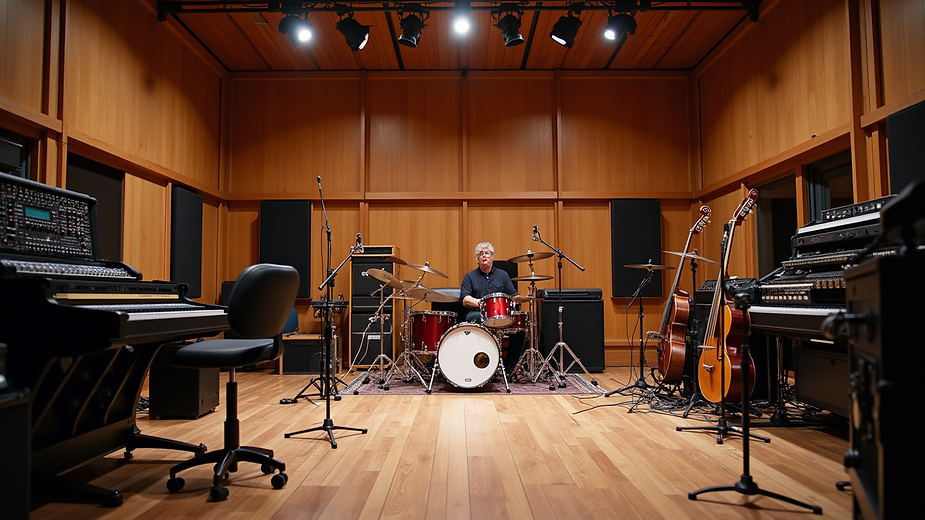
    Eye-level view of a recording studio with musical instruments
    A recording studio filled with various musical instruments

    The Creative Process

    For any artist, entering the studio is a significant milestone, and for Kuehner, it reflects months of hard work and inspiration. The creative process for this new album has been both exhilarating and challenging. Kuehner has devoted countless hours to writing and revising songs, drawing inspiration from personal experiences, nature, and the world around him.

    Kuehner emphasizes that his environment plays a crucial role in his creativity. Often, he finds himself inspired by St. Charles’s serene landscapes and vibrant music scene. For instance, a recent hike in the nearby Fox River Valley sparked the idea for one of his new songs, which explores themes of nature and personal growth. This connection to his roots shines through in his music, as he aims to capture the essence of his surroundings in every track.

    Collaborations and Influences

    One of the most exciting aspects of Kuehner’s upcoming album is the wide array of collaborations he has lined up. He is known for his willingness to work with other musicians, reaching out to a range of artists from both St. Charles and beyond.

    Kuehner’s influences are equally diverse. He draws inspiration from legendary guitarists such as Eric Clapton and Joni Mitchell, mixing their styles with his own to create something unique. Fans can anticipate a rich tapestry of sounds and styles on the new album, with influences ranging from classic rock to contemporary indie.

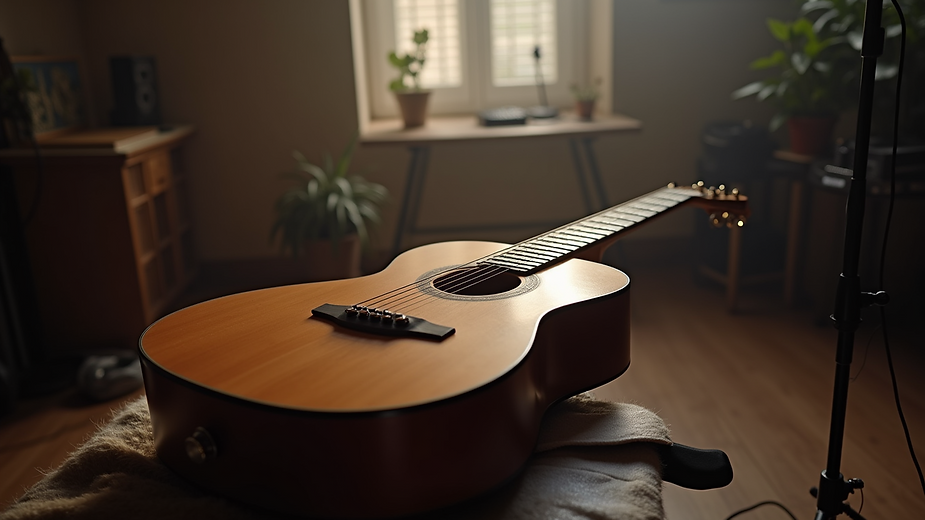
    Close-up view of a guitar resting on a music stand
    A guitar resting on a music stand in a studio setting

    What to Expect from the New Album

    As Kuehner prepares to enter the studio, anticipation is skyrocketing among his fans. The new album is expected to showcase his growth as an artist, marked by a more mature sound and deeper lyrical themes. He has hinted at a desire to explore new musical territories, incorporating a diverse range of instruments and production techniques to enhance his signature style.

    Listeners can look forward to an intriguing mix of upbeat tracks and introspective ballads, reflecting Kuehner’s exploration of personal experiences and emotions. For example, one track tells the story of overcoming obstacles, while another delves into the beauty of everyday life. With each song, Kuehner aims to connect with listeners, inviting them to share in his musical exploration.

    The Recording Experience

    The recording process is vital in bringing Kuehner’s vision to life. He has chosen a studio that aligns with his artistic goals, creating an ideal environment for creativity. Kuehner is noted for his hands-on approach, often experimenting with various sounds and arrangements to achieve the perfect result.

    During recording sessions, Kuehner plans to work closely with sound engineers and fellow musicians, ensuring that every element of the album is meticulously crafted. This collaborative spirit illustrates Kuehner’s commitment to producing music that resonates with his audience.

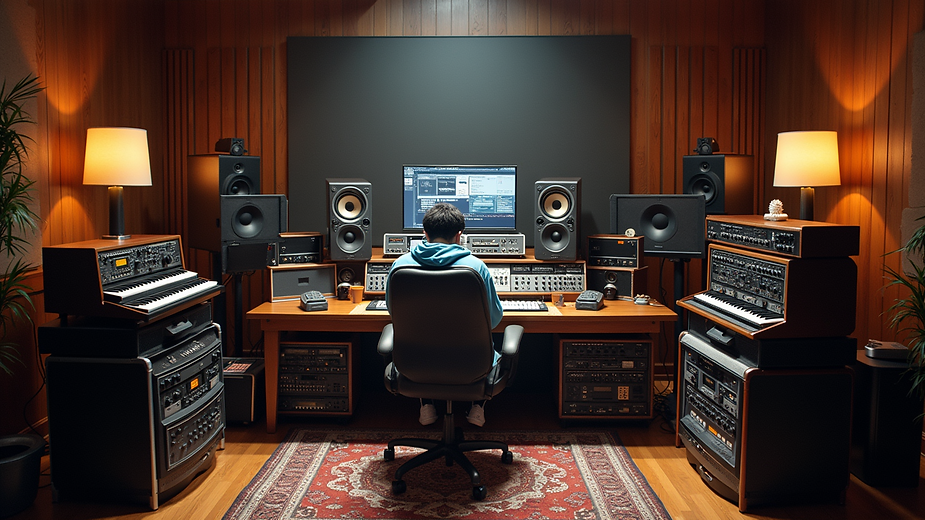
    High angle view of a sound mixing console in a recording studio
    A sound mixing console in a recording studio

    Looking Ahead

    As Ryan Kuehner embarks on this new musical adventure, excitement surrounding his upcoming album continues to build. With a blend of personal experiences, diverse collaborations, and inventive production techniques, Kuehner is set to deliver a project that captivates listeners.

    For both loyal fans and newcomers, this album represents a significant milestone in Kuehner’s evolving career. It offers them an opportunity to witness the journey of an artist who remains deeply connected to his roots while continuously pushing the limits of his craft. As studio sessions progress, the music community is eagerly anticipating what Kuehner has in store.

    Exciting Times Ahead

    Ryan Kuehner’s journey as a guitarist and music producer showcases the power of creativity and passion. As he approaches the studio for his next album, fans can expect a rich array of sounds that reflect his unique perspective and experiences. With a strong commitment to collaboration and innovation, Kuehner is poised to make a significant impact on the music scene once again.

    As the release date draws closer, anticipation levels will only continue to rise. For those who appreciate authentic music that resonates deeply, Kuehner’s upcoming album is sure to be a must-listen. Keep an eye out for updates as this talented St. Charles artist takes another bold step in his musical journey.

  • Ryan Kuehner and The Battle of Sound: Analog vs Digital DAW Plugins

    • ryankuehner
    • a few seconds ago
    • 4 min read

    In today’s music production landscape, the choice between analog and digital plugins is a hot topic. With digital audio workstations (DAWs) becoming the norm, producers are grappling with a key question: should they embrace the warm tones of analog or the precise clarity of digital? Ryan Kuehner, an experienced audio engineer and producer, addresses this ongoing debate with insightful observations and practical advice.

    Understanding Analog Plugins

    Analog plugins aim to replicate the essence of traditional analog devices, such as vintage tape machines, classic equalizers, and compressors. The allure of analog lies in its warmth, depth, and the slight imperfections that can enhance the listening experience.

    The primary advantage of analog plugins is their capacity to infuse sound with richness and character. For example, using a vintage analog compressor can add warmth and dimension to a vocal track, making it feel fuller and more engaging. Studies show that over 70% of producers noted an increase in perceived sound quality when using analog gear in their mixes.

    However, analog plugins do have downsides. They often require significant processing resources, which can slow down sessions. Furthermore, the price for quality analog equipment can be daunting. A classic analog compressor, like the Universal Audio 1176, can cost upwards of $2,000, making it a hefty investment for many producers.

    The Rise of Digital Plugins

    Digital plugins have transformed music production by offering unprecedented levels of control and versatility. They empower producers to modify audio in ways that were once impossible. For instance, digital equalizers allow for precise adjustments that can enhance clarity in a mix, making voices and instruments sound crisper and more defined.

    Digital plugins are especially appealing to modern creators who thrive on experimentation. Their flexibility allows for rapid changes, meaning producers can easily explore different soundscapes without being limited by physical gear. The growing availability of high-quality digital plugins has democratized music production. For example, plugins like FabFilter Pro-Q3 or iZotope Ozone can be purchased for under $200, making professional-grade tools available to a broader audience.

    The Sound Quality Debate

    Sound quality is a subjective issue. Some producers champion the warmth and character of analog, while others lean towards the clarity and precision of digital. Ryan Kuehner stresses that rather than choosing one type over the other, a hybrid approach usually yields the best results. By combining analog and digital plugins, producers can craft a unique sound that benefits from the best features of both.

    Image Placeholder

    Close-up view of a vintage analog synthesizer
    A vintage analog synthesizer showcasing its intricate design

    The Workflow Considerations

    Workflow is an essential factor in the analog versus digital debate. Analog plugins often promote a hands-on approach, which can inspire creativity. For instance, adjusting a physical knob on a vintage synth can feel more rewarding than clicking a mouse on a screen.

    On the flip side, digital plugins streamline workflows. Features like automation, presets, and easy recall allow producers to channel their energy into the creative process instead of getting bogged down by technical details. According to a recent survey, 65% of producers prefer the efficiency of digital plugins to enhance their creative flow.

    Ryan Kuehner emphasizes the importance of understanding how each plugin type fits into the creative process. Each choice influences workflow and the quality of final output.

    The Cost Factor

    Cost plays a significant role in the analog versus digital discussion. High-quality analog gear can be exorbitantly priced, often requiring thousands of dollars in upfront investment. This can be a barrier for new producers who are just starting their journey.

    Conversely, digital plugins are many times more budget-friendly. Notable brands offer high-quality options at a fraction of the analog cost. For example, popular digital plugins can often be found for between $100 and $300, vastly expanding access for emerging artists.

    Image Placeholder

    Eye-level view of a digital audio workstation setup
    A digital audio workstation setup featuring various plugins on the screen

    The Emotional Connection

    An essential argument for analog plugins is the emotional connection they can forge between the producer and their craft. Many producers have fond memories of using analog gear, and this nostalgia can deeply influence their artistic choices during production.

    Ryan Kuehner believes that the emotional component of music shouldn’t be overlooked. The tactile experience of analog equipment and the unique sounds it produces can spark inspiration in ways that digital plugins may struggle to match. Nevertheless, digital plugins have evolved significantly. Many have been designed to emulate analog characteristics, allowing producers to evoke similar emotional responses.

    The Future of Music Production

    As technology advances, the boundaries between analog and digital continue to blur. Many developers are now creating hybrid plugins that harness the strengths of both worlds. This trend offers even more options for sound manipulation, providing producers with innovative ways to shape their music.

    Ryan Kuehner envisions a future where collaboration between analog and digital technologies becomes the norm. By exploring both fields, producers can develop fresh sounds that go beyond traditional music production.

    Image Placeholder

    High angle view of a modern music studio with both analog and digital equipment
    A modern music studio showcasing a blend of analog and digital equipment

    Final Insights

    The comparison between analog and digital DAW plugins presents a complex landscape. Each method offers unique advantages and challenges, making the choice deeply personal and often influenced by workflow preferences. Ryan Kuehner’s insights remind us that understanding the characteristics of each type of plugin is crucial to producing the best music possible.

    Embracing a hybrid approach allows producers to enjoy the warmth of analog while leveraging the precision of digital. As technology evolves, the opportunities for music creation will only expand. Ultimately, the goal is not to choose one over the other, but to utilize the wide array of available tools to create music that resonates and connects with audiences.

  • Unleashing Creativity with Presonus Studio One: Insights from St Charles County Guitarist Ryan Kuehner

    • ryankuehner
    • a few seconds ago
    • 4 min read

    In the fast-evolving world of music production, choosing the right tools can greatly enhance your creative journey. Digital audio workstations (DAWs) like Presonus Studio One are game changers for many musicians. St. Charles County guitarist Ryan Kuehner shares his out-of-the-box experiences with this software, showing us how it has revitalized his music-making process and encouraged him to explore fresh avenues of creativity.

    The Power of Presonus Studio One

    Presonus Studio One stands out as a versatile DAW that serves musicians at every level. Its easy-to-navigate interface and rich features make it appealing for beginners and experienced artists alike. Ryan emphasizes that the software’s intuitive design helps him focus on the heart of his work: making music.

    One of its most convenient features is the drag-and-drop functionality. This allows users to import audio files, MIDI tracks, and virtual instruments effortlessly. For instance, Ryan can quickly pull in a drum loop to test different sounds without the frustration of complicated setups. This saves time and makes the creative process much smoother.

    Moreover, the integration capabilities of Studio One are robust. Whether Ryan is jamming on his guitar or using his MIDI keyboard, everything syncs up seamlessly. This flexibility allows him to venture into new genres, be it blues or electronic music, without facing unnecessary restrictions.

    Enhanced Workflow and Efficiency

    Using Presonus Studio One greatly streamlines Ryan’s workflow. He appreciates that the software’s organized layout allows him to find his tools quickly, contributing to a more efficient process. According to a recent survey, 65% of musicians reported improved productivity after switching to a more intuitive DAW like Studio One.

    Features such as the chord track and Melodyne integration are standout tools for Ryan. The chord track helps him visualize harmonic structures, making it easy to experiment with different chord sequences. For example, he recalls a time when he transformed a simple melody into a complex piece by re-arranging chords, leading to a more emotional impact in his song.

    Melodyne integration is another highlight. With this feature, Ryan can modify vocal tracks and instrument performances, ensuring a polished finish. He has seen firsthand how this has significantly improved the quality of his recordings, resulting in a more professional sound.

    Eye-level view of a guitar resting on a music stand
    A guitar resting on a music stand ready for recording

    Creative Freedom with Virtual Instruments

    Ryan finds immense value in the extensive library of built-in virtual instruments and effects that Presonus Studio One offers. The software features a diverse range of sounds, from lifelike pianos to various synthesized tones. This assortment empowers him to explore different styles, whether he’s crafting a country ballad or a high-energy dance track.

    For instance, while creating a recent song, Ryan utilized a virtual string ensemble, layering it with his guitar. The result was a rich, full sound that wouldn’t have been possible without these innovative tools. He encourages other musicians to experiment with these offerings. They have the potential to inspire creativity and lead to exciting compositions.

    The effects processing capabilities are equally impressive. Ryan frequently uses built-in effects to shape his guitar tones, adding depth and richness to his tracks. The quick application of these effects helps him maintain control over his musical vision, achieving the desired sound efficiently.

    Collaboration Made Easy

    Collaboration is crucial in music, and Presonus Studio One simplifies this process. Ryan praises the software’s cloud collaboration feature, allowing him to work with other musicians, even when they are miles apart. For example, he recently collaborated with an artist in another state, sending tracks back and forth in real-time.

    This feature has redefined teamwork in his projects, enabling immediate feedback and adjustments. In fact, 48% of musicians have reported that cloud collaboration has enhanced their creativity. Ryan benefits from the diverse ideas and styles his collaborators bring, often resulting in richer and more textured music.

    Learning and Growth

    For those seeking to sharpen their skills, Presonus Studio One provides extensive educational resources. Ryan values the tutorials and documentation that help users maximize the software’s capabilities. Whether you’re just starting or have years of experience, the learning opportunities are vast.

    He encourages musicians to dive into these resources. Familiarity with the software can lead to improved creativity and faster production. Many users have reported a 30% increase in their output after thoroughly learning the platform.

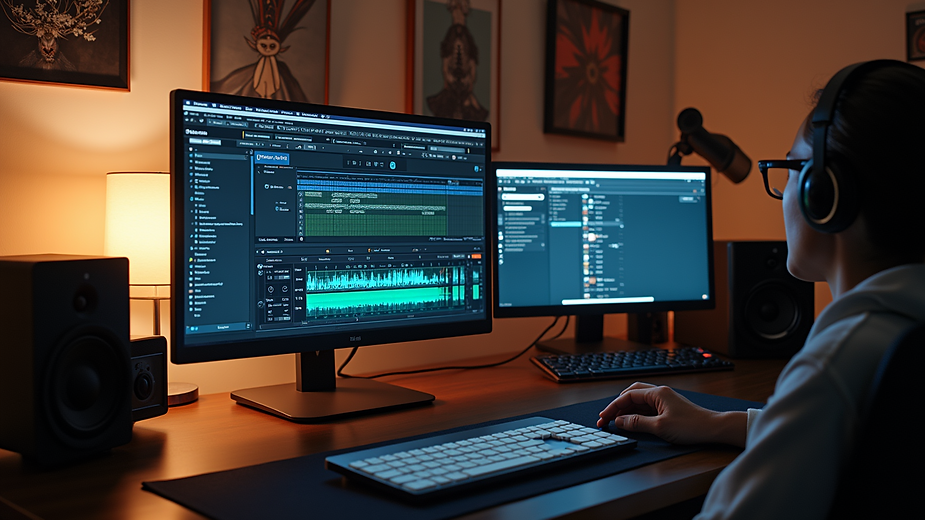
    Close-up view of a computer screen displaying Presonus Studio One software
    A computer screen showcasing the Presonus Studio One interface

    The Community Aspect

    The community surrounding Presonus Studio One is another valuable asset. Ryan actively engages with other users on forums and social media. In these spaces, artists share tips, techniques, and personal experiences. Many users find this network vital for inspiration and support.

    For Ryan, connecting with other musicians can spark new ideas. He often leaves these interactions with fresh perspectives and innovative approaches to his music. He urges others to seek out similar communities, as they can offer meaningful insights and motivation.

    Final Thoughts

    Ryan Kuehner’s journey with Presonus Studio One underscores the software’s role in enhancing creativity and simplifying the music-making process. From its user-friendly design to its rich library of virtual instruments, Studio One provides versatile tools for musicians at any stage.

    Whether you’re an aspiring guitarist like Ryan or an experienced producer aiming to compose your next track, Presonus Studio One can be your creative partner. Leveraging these tools and resources can help you unlock new possibilities and elevate your music career.

    As Ryan continues to explore Studio One’s features, he looks forward to the future of his music. With the right tools, your only limit is your imagination.

  • Ryan Kuehner St. Charles County Guitarist Discusses the Future of Fender Guitars in 2026

    • ryankuehner
    • a few seconds ago
    • 4 min read

    As the landscape of music continues to evolve, the tools musicians rely on significantly influence their sound and creative direction. Among these, guitars hold a unique place, and Fender has been a favorite for guitarists globally for decades. In this blog post, we explore the insights of Ryan Kuehner, an accomplished guitarist and music producer hailing from St. Charles County. He shares his vision for the future of Fender guitars in 2026.

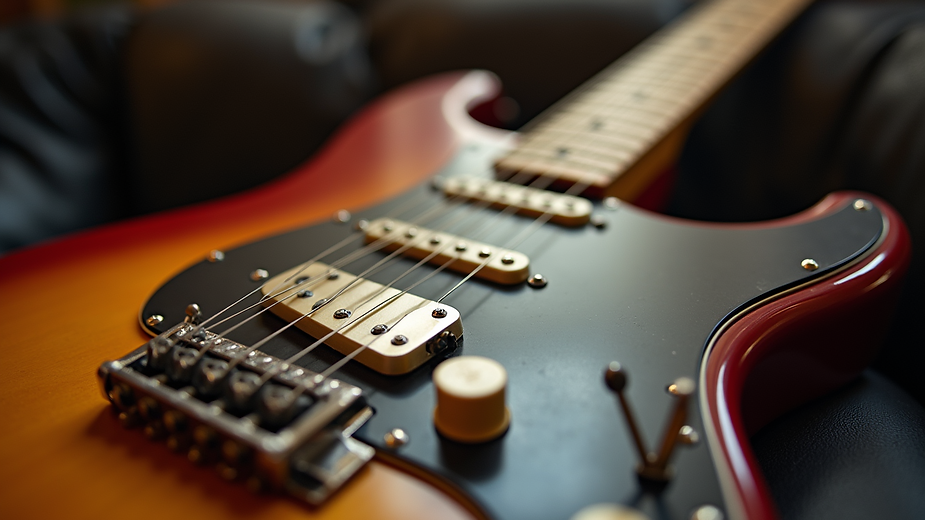
    Close-up view of a Fender guitar showcasing its intricate design
    A detailed look at a Fender guitar’s craftsmanship

    The Legacy of Fender Guitars

    Fender guitars have been a vital part of music history since their launch in the 1940s. Models like the Stratocaster and Telecaster have been played by countless renowned musicians, including Jimi Hendrix and Eric Clapton. Ryan Kuehner underscores the significance of this legacy, noting that the exceptional craftsmanship and innovative designs of Fender guitars set a standard that many admire.

    Looking toward 2026, Kuehner believes Fender will maintain its rich history while embracing modern advancements. The harmonious blend of tradition and innovation is what makes Fender guitars attractive to both seasoned players and newcomers. For instance, the Stratocaster has evolved since its introduction, now offering a variety of pickups and finishes that cater to different musical styles.

    Innovations on the Horizon

    The future of Fender guitars is promising, particularly with technological advancements on the horizon. Kuehner highlights how digital music production is increasingly becoming the norm. As a result, the integration of technology into guitar design is vital. This may include features like built-in effects, which some brands are already adopting, such as the Boss Waza Amplifier series. Connective features could allow seamless integration with popular digital audio workstations like Ableton Live or GarageBand.

    Sustainability is another trend Kuehner notices in music production. He anticipates Fender will explore eco-friendly materials and manufacturing processes. For example, if Fender introduced a line of guitars made from sustainable woods or recycled materials, it could appeal to the 77% of Gen Z musicians who prioritize sustainability in their music-related purchases.

    The Role of Customization

    Customization is a significant trend in the guitar market, and Kuehner believes that Fender is poised to expand its offerings in this area. Musicians today seek instruments that reflect their personal style and sound. Kuehner envisions a future where Fender allows players to choose everything from the wood type to electronics configuration.

    This level of personalization enhances the player’s connection to their instrument. For example, Fender could offer options for varying neck profiles or the choice of humbucker or single-coil pickups, catering to individual preferences. When musicians invest in customizing their gear, they are more motivated to experiment and push their musical limits.

    Eye-level view of a musician playing a Fender guitar on stage
    A musician passionately performing with a Fender guitar

    The Community Aspect

    The community surrounding Fender guitars is vital for musicians. Kuehner emphasizes the sense of belonging that comes with being part of the Fender family. More than just a brand, Fender signifies a lifestyle and community among passionate players.

    Kuehner foresees that in 2026, Fender will continue to strengthen this community aspect through various initiatives. These could include events, workshops, and online gatherings aimed at fostering connections among musicians. For instance, similar to the successful Fender Play platform, expanded online resources could help guitarists learn from each other and share their musical journeys.

    The Influence of Social Media

    In today’s digital world, social media is crucial for shaping music culture. Kuehner points out that platforms like Instagram and TikTok are already changing how musicians promote their work and connect with fans. By 2026, he predicts that Fender will leverage these platforms to reach wider audiences.

    Collaborating with influencers and showcasing diverse musicians can help Fender engage new demographics. For instance, featuring well-known TikTok guitar trends can inspire the next generation of guitarists. If Fender reaches just 10% of users on these platforms, the brand could significantly expand its reach and engagement.

    The Importance of Education

    Education is an area ripe for growth for Fender. As more people take up guitar playing, there is an increasing demand for quality instructional resources. Kuehner suggests that Fender could broaden its educational offerings to include online courses, tutorials, and workshops for players at all skill levels.

    By providing accessible education, Fender can empower musicians to hone their skills and deepen their understanding of music theory and techniques. This commitment to education reflects Kuehner’s belief that music should be inclusive and accessible to all.

    Looking to the Future

    The outlook for Fender guitars in 2026 is bright and full of opportunity. Ryan Kuehner’s insights reveal potential innovations, customization options, and community-building strategies that could shape the next generation of Fender instruments.

    With an emphasis on sustainability, technological integration, and education, Fender stands ready to maintain its leadership in the music industry. For musicians, this translates to tools that not only enhance creativity but also connect them with a vibrant community of fellow artists.

    As we anticipate the exciting changes coming from Fender, it’s clear that the passion for music and the guitar will continue to flourish, with Fender leading this dynamic journey.

    Wide angle view of a vibrant music festival featuring various guitarists
    A lively music festival showcasing guitarists in action

    Ryan Kuehner St. Charles County Missouri

  • Hello world!

    Welcome to WordPress. This is your first post. Edit or delete it, then start writing!