Category: Uncategorized
-
Guitarist Ryan Kuehner Shares Insights on the TASCAM DR-40XP Portable Field Recorder
Capturing high-quality sound outside the studio can be a challenge for musicians and audio enthusiasts. Guitarist Ryan Kuehner recently shared his experience with the TASCAM DR-40XP Portable Handheld Field Recorder, a device designed to deliver professional-grade recordings on the go. His review offers practical insights into how this recorder performs in real-world music settings, especially for guitarists looking to capture their sound with clarity and ease.

Design and Portability
Ryan highlights the DR-40XP’s compact size and lightweight design as major advantages. The recorder fits comfortably in one hand, making it easy to carry during rehearsals, gigs, or outdoor sessions. Its sturdy build feels durable without adding unnecessary bulk, which is essential for musicians who travel frequently.
The device features a simple interface with clearly labeled buttons and a bright LCD screen. Ryan notes that the controls are intuitive, allowing quick adjustments without interrupting the flow of a session. This ease of use is especially helpful when capturing spontaneous moments or experimenting with new guitar tones.
Recording Quality and Features
One of the standout points in Ryan’s review is the DR-40XP’s sound quality. The recorder uses built-in condenser microphones arranged in an XY stereo pattern, which captures a natural and wide soundstage. This setup works well for recording guitar performances, whether fingerpicking or strumming chords.
Ryan tested the recorder in different environments, including a quiet room and a lively outdoor setting. He found that the DR-40XP handled ambient noise effectively, delivering clear and detailed recordings. The device supports up to 24-bit/96kHz WAV files, which ensures professional-level audio fidelity.
Additional features that Ryan appreciates include:
- Adjustable input levels: Allows precise control to avoid distortion or clipping.
- Dual recording mode: Creates a backup track at a lower volume to protect against unexpected peaks.
- Built-in limiter and low-cut filter: Helps reduce unwanted noise and maintain clean sound.
- Overdub function: Enables layering guitar parts without needing a computer.
These features make the DR-40XP versatile for both live recording and songwriting sessions.
Practical Use Cases for Guitarists
Ryan shares several examples of how the DR-40XP fits into a guitarist’s workflow:
- Songwriting and idea capture: When inspiration strikes, the recorder is ready to capture riffs and melodies without setup delays.
- Rehearsal documentation: Recording practice sessions helps identify areas for improvement and track progress.
- Live performance recording: The device can capture gigs with minimal equipment, preserving the energy of the moment.
- Field recording for ambience: Guitarists who incorporate natural sounds or room acoustics can use the DR-40XP to add texture to their tracks.
He also points out that the recorder’s battery life supports extended sessions, and it can run on AA batteries or USB power, adding flexibility for different situations.
Connectivity and Compatibility
The DR-40XP offers multiple input options, including XLR and 1/4-inch combo jacks, which Ryan finds useful for connecting various instruments and microphones. The device also supports playback through headphones or external speakers, making it easy to review recordings on the spot.
File transfer is straightforward via USB, allowing quick import of recordings into digital audio workstations for further editing. Ryan mentions that the recorder’s compatibility with common audio formats ensures smooth integration with most music production software.

Final Thoughts from Ryan Kuehner
Ryan concludes that the TASCAM DR-40XP Portable Handheld Field Recorder is a reliable and user-friendly tool for guitarists who want to capture high-quality audio outside the studio. Its combination of portability, sound quality, and useful features makes it a valuable addition to any musician’s gear.
For guitarists looking to record ideas quickly, document rehearsals, or capture live performances without complicated setups, the DR-40XP offers a practical solution. Ryan’s experience shows that this recorder can help musicians focus on their creativity while trusting the device to handle the technical side of recording.
-
Ryan Kuehner’s Review of the Ernie Ball Music Man 30th Anniversary Axis Electric Guitar Insights and Impressions
The Ernie Ball Music Man 30th Anniversary Axis electric guitar marks a significant milestone for a model that has earned a loyal following among guitarists worldwide. Ryan Kuehner, a seasoned guitarist known for his detailed gear reviews, offers an in-depth look at this special edition instrument. His insights shed light on what makes this guitar stand out, from its design and build quality to its sound and playability. This review aims to provide guitar enthusiasts with a clear understanding of the 30th Anniversary Axis and whether it lives up to the legacy of its predecessors.
Design and Build Quality
The 30th Anniversary Axis retains the classic shape that fans appreciate but introduces subtle refinements that enhance both aesthetics and functionality. The body features a sleek, contoured alder construction that balances weight and resonance. The finish options pay homage to the original models while incorporating modern touches that appeal to contemporary players.
Ryan highlights the guitar’s neck as a standout feature. Crafted from roasted maple, it offers a smooth, fast feel that suits various playing styles. The satin finish on the neck reduces friction, allowing for effortless movement across the fretboard. The 22-fret rosewood fingerboard provides a warm tone and comfortable playability.
Hardware quality is another area where the 30th Anniversary Axis shines. The guitar is equipped with a custom Music Man tremolo system that stays in tune even with aggressive playing. The locking tuners contribute to tuning stability, which is crucial for live performances and studio sessions alike.
Electronics and Sound
One of the most talked-about aspects of the Ernie Ball Music Man Axis is its electronics. The 30th Anniversary model features custom-wound pickups designed to deliver a versatile tonal palette. Ryan notes that these pickups capture the clarity and punch that players expect from Music Man guitars, with a balanced response across lows, mids, and highs.
The guitar’s controls include a three-way pickup selector, master volume, and tone knobs, allowing players to dial in a wide range of sounds. Ryan points out that the pickups excel in both clean and overdriven settings. Whether playing blues, rock, or metal, the Axis produces articulate notes with minimal noise.
Ryan also tested the guitar through various amplifiers and effects pedals. He found that the Axis responds well to different setups, maintaining its character without becoming muddy or harsh. This adaptability makes it a reliable choice for guitarists who experiment with their tone.
Playability and Comfort
Comfort is key for any guitar, especially for players who spend hours practicing or performing. Ryan praises the 30th Anniversary Axis for its ergonomic design. The body contours fit naturally against the player’s torso, and the neck profile supports fast, precise fretting.
The guitar’s weight is well balanced, preventing fatigue during extended sessions. Ryan mentions that the fret edges are smooth and well-finished, which enhances the overall playing experience. The action is set up to be low but free of buzz, making it easy to execute bends and vibrato.
For players who use the tremolo arm frequently, the Axis offers excellent tuning stability. Ryan tested dive bombs and subtle vibrato effects, noting that the guitar returned to pitch reliably every time.
Visual Appeal and Anniversary Details
The 30th Anniversary Axis includes several visual elements that celebrate its heritage. The guitar sports a special inlay on the headstock and a commemorative truss rod cover. These details add a touch of exclusivity without overwhelming the classic look.
Ryan appreciates the tasteful use of binding and hardware finishes, which complement the overall design. The anniversary edition manages to feel both nostalgic and fresh, appealing to collectors and active players alike.
Comparison with Previous Models
Ryan compares the 30th Anniversary Axis to earlier versions of the Axis guitar and other Music Man models. He notes that while the core design remains faithful to the original, the improvements in materials and electronics make this edition a step forward.
The roasted maple neck, in particular, offers enhanced stability and a unique tonal character not found in older models. The pickups provide a more dynamic range, and the hardware upgrades contribute to better performance on stage.
For players familiar with the Axis line, the 30th Anniversary model feels like a refined evolution rather than a complete redesign. This balance of tradition and innovation is a key strength.
Practical Use Cases
Ryan shares examples of how the 30th Anniversary Axis performs in different musical settings:
- Studio Recording: The guitar’s clear and balanced tone makes it ideal for capturing detailed tracks. Its versatility allows it to fit into various genres without needing extensive adjustments.
- Live Performance: The stable tuning and ergonomic design support confident playing during gigs. The guitar’s presence on stage is enhanced by its distinctive look and reliable sound.
- Practice Sessions: Comfortable neck and smooth fretboard encourage longer practice times without discomfort. The guitar’s responsiveness helps players develop technique and expression.
Final Thoughts
Ryan Kuehner’s review of the Ernie Ball Music Man 30th Anniversary Axis electric guitar highlights an instrument that respects its legacy while offering meaningful improvements. Its combination of quality craftsmanship, versatile electronics, and player-friendly design makes it a compelling choice for serious guitarists.
-
Guitarist Ryan Kuehner Explores the Universal Audio OX Reactive Amp Attenuator and Its Speaker Modeling Features
The quest for the perfect guitar tone often leads players to experiment with various gear, especially when it comes to balancing volume and sound quality. Guitarist Ryan Kuehner recently took a deep look at the Universal Audio OX Reactive Amp Attenuator, a device designed to let guitarists play their tube amps at full power without overwhelming volume. This review focuses on how the OX’s speaker modeling and reactive attenuation technology deliver studio-quality tones at manageable levels.
!Close-up view of Universal Audio OX Reactive Amp Attenuator front panel with knobs and display
What Is the Universal Audio OX Reactive Amp Attenuator?
The Universal Audio OX is an advanced reactive load box and speaker emulator. It connects between your guitar amp’s output and your speaker cabinet, allowing you to crank your amp’s volume while controlling the actual sound level sent to your speakers or recording system. This means you can enjoy the natural overdrive and warmth of a tube amp pushed hard, without the ear-splitting volume.
Unlike traditional attenuators, the OX uses reactive load technology that mimics the complex impedance of a real speaker. This helps preserve the amp’s tone and feel. On top of that, it offers detailed speaker modeling, letting you choose from a variety of classic and modern speaker cabinets and microphones, all digitally recreated.
Ryan Kuehner’s Experience With the OX
Ryan Kuehner, known for his precise and expressive guitar work, tested the OX in both live and studio settings. He found the unit easy to set up and intuitive to use, with a clear interface that lets you dial in your preferred attenuation level and speaker simulation quickly.
He highlighted the reactive load as a key feature. Many attenuators simply reduce volume by dumping power into a resistor, which can kill the amp’s character. The OX’s reactive load mimics the behavior of a real speaker, so the amp responds naturally, preserving dynamics and touch sensitivity.
Ryan also praised the speaker modeling options. The OX includes 18 speaker cabinets, 10 microphones, and 8 mic positions, which can be combined to create a wide range of tones. He noted that switching between models was seamless and that the digital emulations sounded very close to the real thing, making it easier to find the right sound for different styles and recording situations.
Key Features That Stand Out
- Reactive Load Technology
Preserves the amp’s natural response and tone by simulating the impedance of a real speaker.
- Speaker Cabinet and Microphone Modeling
Offers a variety of classic and modern cabinet and mic combinations to shape your tone.
- Multiple Output Options
Balanced XLR outputs for direct recording or PA connection, plus a dedicated headphone output for silent practice.
- Built-in IR Loading
Allows loading of third-party impulse responses for even more tonal flexibility.
- User-Friendly Interface
Large display and simple controls make it easy to adjust settings on the fly.
How the OX Enhances Tone and Flexibility
Ryan found that the OX lets him push his tube amp into natural overdrive without worrying about volume limits. This is especially useful for recording sessions where capturing the amp’s full character is essential. The reactive load means the amp’s tubes and transformers behave as if connected to a real speaker, which keeps the tone lively and dynamic.
The speaker modeling also adds versatility. For example, Ryan could switch from a tight, focused 1×12 cabinet sound to a big, roomy 4×12 stack without changing physical gear. This saved time and expanded creative options during tracking.
Practical Examples From Ryan’s Setup
- Recording at Home
Ryan used the OX to record guitar parts quietly late at night. He cranked his amp to get natural tube saturation but kept the output volume low enough not to disturb others. The direct outputs fed into his audio interface with speaker emulations, delivering polished tones without miking a real cab.
- Live Sound Control
On stage, the OX allowed Ryan to maintain consistent volume levels while preserving his amp’s feel. The PA received a clean, modeled signal, reducing stage noise and feedback issues.
- Tone Experimentation
The ability to load custom impulse responses let Ryan match the sound of famous cabinets or tailor his tone to specific songs, all from a single device.
!Eye-level view of Universal Audio OX connected between guitar amp and speaker cabinet
Who Should Consider the Universal Audio OX?
The OX is ideal for guitarists who:
- Want to play tube amps at high volumes without disturbing others.
- Need a reliable way to record amp tones without miking a speaker.
- Desire a wide range of speaker and microphone tones in one device.
- Perform live and want consistent, controlled stage volume.
- Appreciate detailed tone shaping and flexibility.
It suits both professional musicians and serious hobbyists who value tone quality and convenience.
Tips for Getting the Most From the OX
- Experiment with Speaker and Mic Combinations
Spend time trying different cabinet and microphone models to find your favorite sounds.
- Use the Reactive Load to Push Your Amp
Don’t be afraid to crank your amp; the OX handles the power and keeps the tone intact.
- Load Custom IRs
If you have favorite impulse responses, upload them to the OX for even more tonal options.
- Integrate With Your Recording Setup
Use the balanced outputs to connect directly to your audio interface for clean, noise-free recordings.
- Practice Silently
Use the headphone output for quiet practice sessions without sacrificing tone.
!High angle view of Universal Audio OX display showing speaker and mic settings
Final Thoughts on the Universal Audio OX
Ryan Kuehner’s review shows that the Universal Audio OX Reactive Amp Attenuator is a powerful tool for guitarists who want to keep their tone intact while controlling volume. Its reactive load technology and detailed speaker modeling set it apart from basic attenuators, offering a realistic and flexible solution for both stage and studio.
If you struggle with balancing amp volume and tone quality, the OX provides a practical way to get the best of both worlds. It opens new possibilities for recording, live performance, and practice, making it a valuable addition to any serious guitarist’s rig.
-
Guitarist and Producer Ryan Kuehner’s Honest Review of the Marshall SV20H Studio Vintage 20-watt Amplifier Head
The Marshall SV20H Studio Vintage 20-watt amplifier head has been turning heads among guitarists looking for a compact, vintage-inspired amp with modern reliability. Ryan Kuehner, a seasoned guitarist known for his clear and insightful gear reviews, recently put this amp through its paces. This review breaks down his experience with the SV20H, highlighting its sound, build quality, features, and overall value for players seeking a studio and small gig amplifier.
!Close-up view of Marshall SV20H Studio Vintage 20-watt amplifier head on wooden surface
Design and Build Quality
Ryan notes that the SV20H carries the classic Marshall look with a vintage twist. The amp head is compact and lightweight, making it easy to transport for studio sessions or small gigs. The black tolex covering and gold piping give it a timeless aesthetic that fits well in any setup.
The control panel is straightforward, featuring three knobs for volume, tone, and gain, plus a standby switch and power toggle. Ryan appreciates the simplicity, which allows quick adjustments without digging through menus or complicated settings. The chassis feels solid, with quality components inside that promise durability.
Sound and Tone
The heart of any amplifier is its sound, and Ryan found the SV20H delivers a rich, warm tone reminiscent of classic British tube amps. The 20-watt output is ideal for studio use or intimate venues, providing enough power to fill a room without overwhelming it.
Ryan highlights the amp’s smooth overdrive that breaks up naturally when pushed, perfect for blues, rock, and vintage-inspired styles. The tone control is responsive, allowing players to dial in anything from bright cleans to gritty crunch. He tested the amp with various guitars, including single-coil and humbucker pickups, and found it handled both with clarity and character.
The amp’s tube-driven preamp and power section contribute to its dynamic response, reacting well to picking intensity and guitar volume knob adjustments. Ryan points out that this responsiveness is crucial for expressive playing, especially in studio environments where nuance matters.
Features and Usability
While the SV20H keeps things simple, it includes useful features for studio and stage use:
- Emulated output for direct recording or headphone practice
- Effects loop to integrate pedals or rack effects seamlessly
- Speaker output compatible with 8 or 16 ohm cabinets
Ryan found the emulated output particularly handy for silent recording sessions, capturing the amp’s tone without needing a mic. The effects loop worked well with modulation and delay pedals, preserving the amp’s natural tone.
The amp’s standby switch is a welcome addition, allowing the tubes to warm up properly and extend their lifespan. Ryan recommends using this feature to maintain the amp’s performance over time.
!Eye-level view of Marshall SV20H amplifier head connected to guitar cabinet in studio setting
Comparison with Other Amplifiers
Ryan compares the SV20H to other popular 20-watt tube amps in its price range. He finds that while some competitors offer more features or higher wattage, the SV20H stands out for its authentic vintage tone and simplicity.
Unlike some amps that try to cover many genres, the SV20H focuses on delivering a classic British sound with minimal fuss. This makes it a great choice for players who want a reliable, no-nonsense amp that excels at blues, rock, and classic styles.
Ryan also notes that the amp’s build quality and tube selection give it an edge in tone and durability compared to some budget options. For players who value sound quality over flashy extras, the SV20H is a solid investment.
Practical Use Cases
Ryan shares several scenarios where the SV20H shines:
- Studio recording: The amp’s emulated output and natural tube tone make it easy to capture great sounds without complex mic setups.
- Small gigs: Its 20-watt power is enough for coffee shops, small clubs, and rehearsals.
- Home practice: The amp’s size and headphone output allow quiet practice without sacrificing tone.
- Pedalboard integration: The effects loop and responsive tone controls make it easy to shape sound with pedals.
He also mentions that the amp’s simplicity means less time tweaking and more time playing, which is a big plus for musicians focused on creativity.
!High angle view of Marshall SV20H amplifier head with guitar and pedals on stage floor
Final Thoughts from Ryan Kuehner
Ryan sums up the Marshall SV20H Studio Vintage 20-watt amplifier head as a well-crafted, reliable amp that delivers classic Marshall tone in a compact package. It suits guitarists who want authentic tube sound without complicated features or excessive power.
The amp’s warm overdrive, responsive controls, and useful studio features make it a versatile tool for recording, practicing, and small performances. Ryan recommends it especially for players who appreciate vintage tone and straightforward operation.
If you are looking for an amplifier that captures the essence of classic British rock with modern reliability, the SV20H deserves a close look. It balances sound quality, portability, and usability in a way that few amps in this category do.
-
Ryan Kuehner’s Top 5 Combo Amps of 2026 Every Guitarist Should Consider
Finding the right combo amp can transform your guitar playing experience. Whether you’re practicing at home, recording in the studio, or performing live, the amp you choose shapes your tone and feel. Guitarist Ryan Kuehner has tested numerous models and picked the top five combo amps of 2026 that stand out for their sound quality, versatility, and build. This guide breaks down what makes each amp special and helps you decide which one fits your style and needs.
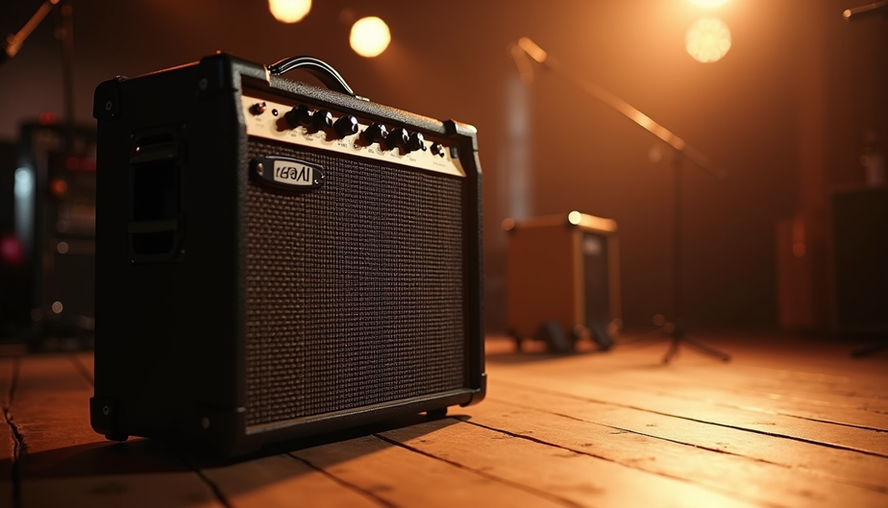
Ryan Kuehner’s top combo amp on stage What to Look for in a Combo Amp in 2026
Before diving into the list, it’s useful to understand what features matter most in today’s combo amps. The market has evolved with new tech and player demands, but some basics remain essential:
- Sound quality: Clear, rich tone with good dynamic response.
- Power output: Enough wattage to suit your playing environment.
- Portability: Weight and size for easy transport.
- Versatility: Multiple channels, effects, and tone-shaping controls.
- Build quality: Durable materials and reliable components.
- Connectivity: USB, Bluetooth, or other modern inputs for recording or jamming.
Ryan Kuehner values amps that balance classic tone with modern features, making them suitable for a wide range of genres and settings.
1. Fender Mustang GTX V2
The Fender Mustang GTX V2 is a favorite for players who want a wide palette of sounds in one amp. It combines digital modeling with Fender’s classic tone heritage.
- Power: 100 watts, enough for small to medium gigs.
- Speakers: 12-inch Celestion.
- Features: Over 200 amp models and effects, Wi-Fi for updates, and a user-friendly app.
- Tone: From sparkling cleans to heavy distortion, it covers blues, rock, metal, and more.
- Portability: Weighs about 30 pounds, manageable for most players.
Ryan notes the GTX V2’s flexibility makes it ideal for gigging musicians who need quick tone changes without lugging multiple amps.
2. Vox AC15C2
The Vox AC15C2 remains a classic choice with its warm tube-driven sound and vintage vibe.
- Power: 15 watts, perfect for studio and small venue use.
- Speakers: Two 12-inch Celestion Greenbacks.
- Features: Two channels (Normal and Top Boost), built-in reverb and tremolo.
- Tone: Rich, chimey cleans and smooth overdrive.
- Portability: Heavier than some digital amps but still manageable.
Ryan highlights the AC15C2 for players who want authentic tube tone with a classic British character. It’s especially good for blues, indie, and classic rock.
3. Boss Katana 100 MkII
Boss’s Katana series has grown in popularity for its reliability and sound quality at an affordable price.
- Power: 100 watts.
- Speakers: 12-inch custom speaker.
- Features: Five amp characters, 60 effects, power control for volume scaling.
- Tone: Versatile, from clean jazz tones to heavy metal distortion.
- Portability: Lightweight and compact.
Ryan praises the Katana 100 MkII for home players and giggers who want a solid all-around amp with plenty of built-in effects and easy tone shaping.
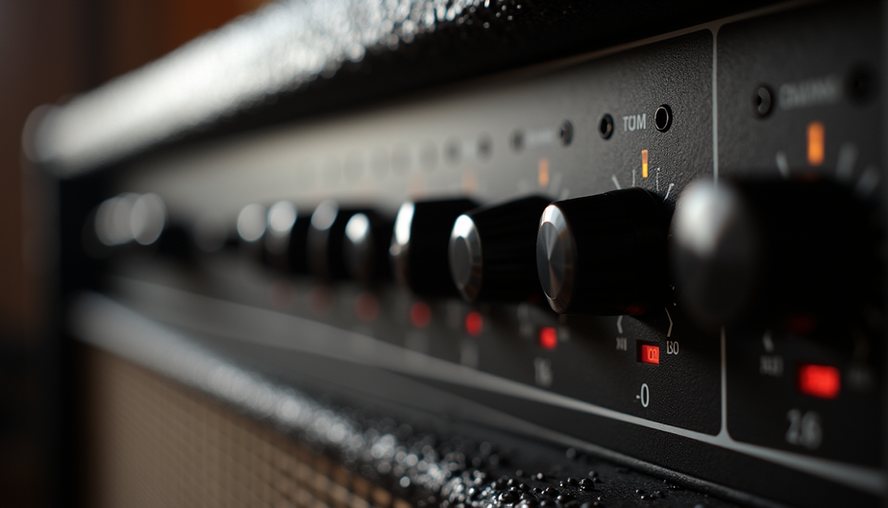
Detailed view of Boss Katana 100 MkII control panel 4. PRS Sonzera 20
PRS Sonzera 20 is a boutique-style tube amp that delivers high-quality tone in a compact package.
- Power: 20 watts.
- Speakers: 10-inch Celestion.
- Features: Two channels, reverb, and a simple control layout.
- Tone: Smooth, dynamic, and responsive with a modern edge.
- Portability: Very light and easy to carry.
Ryan recommends the Sonzera 20 for players who want a premium tube sound without the bulk. It works well in studios and small gigs.
5. Yamaha THR30II Wireless
The Yamaha THR30II Wireless is a hybrid amp designed for home use and recording with wireless convenience.
- Power: 30 watts.
- Speakers: Two 3-inch full-range speakers plus two tweeters.
- Features: Multiple amp models, effects, Bluetooth audio streaming, and USB connectivity.
- Tone: Clear and detailed, great for practice and recording.
- Portability: Compact and lightweight.
Ryan points out the THR30II’s wireless feature as a game-changer for players who want freedom from cables and easy integration with digital setups.
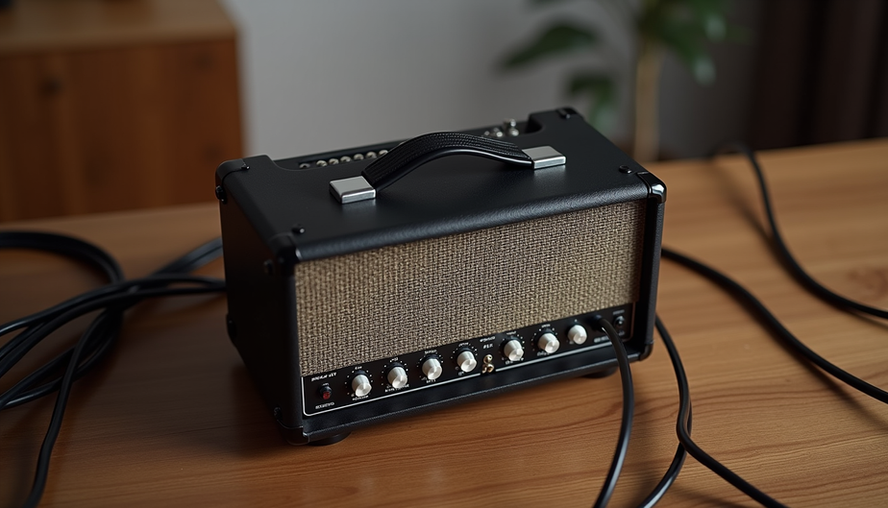
Compact Yamaha THR30II Wireless amp on a wooden desk How to Choose the Right Combo Amp for You
Choosing the best combo amp depends on your playing style, environment, and budget. Here are some tips based on Ryan’s experience:
- For gigging musicians: Look for power and versatility. The Fender Mustang GTX V2 and Boss Katana 100 MkII offer plenty of wattage and tone options.
- For studio and home players: Smaller tube amps like the Vox AC15C2 and PRS Sonzera 20 provide rich tone without overwhelming volume.
- For tech-savvy players: The Yamaha THR30II Wireless offers modern connectivity and wireless freedom.
- Consider speaker size: Larger speakers (12-inch) deliver fuller bass and volume, while smaller ones (10-inch or less) are more portable.
- Test in person: Whenever possible, try amps with your guitar and pedals to hear how they respond.
Final Thoughts on the Best Combo Amps of 2026
Ryan Kuehner’s top five combo amps cover a range of needs and styles. From classic tube warmth to digital flexibility and wireless convenience, these amps represent the best options available in 2026. Your perfect amp will depend on your unique sound goals and playing context. Take time to explore these models, listen closely, and choose the one that inspires you to play more and better.
-
In-Depth Review of the Taylor 800 Guitar by Guitarist Ryan Kuehner
The Taylor 800 series has long been a favorite among guitar enthusiasts for its blend of craftsmanship, tone, and playability. Guitarist Ryan Kuehner recently took a close look at the Taylor 800 guitar, sharing insights that highlight what makes this instrument stand out. This review breaks down the guitar’s design, sound quality, and overall performance, offering practical details for players considering this model.

Taylor 800 guitar body close-up, showcasing wood grain and finish Design and Build Quality
The Taylor 800 guitar features a solid wood construction that immediately signals quality. Ryan points out the use of premium tonewoods, including Indian rosewood for the back and sides, paired with a Sitka spruce top. This combination not only looks stunning but also contributes to the guitar’s rich tonal character.
The craftsmanship is evident in the smooth binding and precise fretwork. The neck feels comfortable in hand, with a satin finish that avoids stickiness during long playing sessions. Ryan notes that the guitar’s body shape offers a balanced feel, making it suitable for both seated and standing play.
Key design highlights include:
- Indian rosewood back and sides for warmth and depth
- Sitka spruce top for clarity and projection
- Venetian cutaway for easier access to higher frets
- Ebony fingerboard and bridge for durability and smooth playability
The attention to detail in the build ensures the guitar not only looks elegant but also stands up to regular use without compromising tone or comfort.
Sound and Tonal Characteristics
Ryan Kuehner emphasizes the Taylor 800’s sound as one of its strongest points. The guitar delivers a clear, balanced tone with a strong midrange presence. This makes it versatile across genres, from fingerstyle to strumming.
The Indian rosewood back and sides add warmth and sustain, while the Sitka spruce top provides brightness and responsiveness. Ryan describes the guitar’s voice as “rich and articulate,” with notes that ring out clearly without harshness.
Some specific sound qualities Ryan highlights:
- Strong bass response that supports rhythm playing
- Crisp highs that bring out melodic lines
- Well-defined mids that enhance vocal accompaniment
- Excellent sustain for both fingerpicking and flatpicking styles
The guitar’s natural resonance allows it to fill a room without amplification, though it also pairs well with pickups for live performance.

Taylor 800 guitar neck and fretboard close-up, highlighting craftsmanship Playability and Comfort
For guitarists who spend hours practicing or performing, comfort is crucial. Ryan notes that the Taylor 800 excels in this area. The neck profile is slim but substantial enough to provide a secure grip. The fretboard edges are smooth, reducing finger fatigue during complex chord shapes or fast runs.
The guitar’s action comes set at a medium-low height, which balances ease of play with minimal fret buzz. Ryan found that the guitar responds well to different playing dynamics, from soft fingerpicking to aggressive strumming.
Additional playability features include:
- Lightweight body that reduces strain during long sessions
- Venetian cutaway that allows easy access to upper frets
- Stable tuning machines that keep the guitar in tune through extended use
Ryan also appreciates the guitar’s balanced weight distribution, which helps maintain good posture and reduces shoulder tension.
Versatility and Use Cases
Ryan Kuehner tested the Taylor 800 in various musical settings. The guitar adapts well to solo performances, studio recording, and band settings. Its tonal balance makes it suitable for genres such as folk, blues, country, and light rock.
In a recording session, the guitar’s clear articulation allowed it to sit well in the mix without overpowering other instruments. On stage, the guitar’s natural projection and pickup compatibility made it a reliable choice for live sound.
Ryan recommends the Taylor 800 for:
- Singer-songwriters looking for a reliable acoustic with rich tone
- Session musicians needing a versatile instrument for different styles
- Intermediate to advanced players who value craftsmanship and sound quality
Maintenance and Longevity
Taylor guitars are known for their durability, and the 800 series is no exception. Ryan advises regular cleaning and humidity control to maintain the wood’s integrity. The guitar’s finish resists minor scratches, but care should be taken to avoid extreme temperature changes.
The ebony fingerboard and bridge are durable but benefit from occasional conditioning to prevent drying. Ryan also suggests periodic professional setups to keep the guitar playing at its best over time.
Final Thoughts from Ryan Kuehner
The Taylor 800 guitar impresses with its combination of elegant design, rich sound, and player-friendly features. Ryan Kuehner’s review highlights how this guitar meets the needs of serious musicians who want an instrument that performs well in diverse settings.
Whether you are recording in the studio, performing live, or practicing at home, the Taylor 800 offers a reliable and inspiring playing experience. Its balanced tone and comfortable playability make it a worthy investment for guitarists who appreciate quality and versatility.

Taylor 800 guitar resting on wooden floor, showing full body and fi -
Guitarist Ryan Kuehner’s Top 5 European Guitar Makers
European guitar craftsmanship has long been admired for its blend of tradition, innovation, and artistry. Guitarist Ryan Kuehner, recently ranked the top five European guitar makers who stand out for their quality, sound, and design. This post explores his picks, offering insights into what makes these makers exceptional and why their guitars deserve attention from players and collectors alike.

Handcrafted European acoustic guitar with detailed wood grain 1. Furch Guitars – Czech Republic
Furch Guitars has earned a reputation for producing instruments with rich tone and impeccable build quality. Founded in 1981, this Czech company combines traditional luthiery with modern technology to create guitars that appeal to professionals and enthusiasts.
- Tone and Sound: Furch guitars are known for their balanced sound, with clear highs and warm lows. Their use of premium tonewoods like Sitka spruce and Indian rosewood contributes to their distinctive voice.
- Innovation: They integrate advanced bracing patterns and precision craftsmanship, which enhances projection and sustain.
- Models to Watch: The Furch Blue series is a favorite among fingerstyle players, while the Red series offers a robust sound for strummers.
Furch’s commitment to quality control and attention to detail makes their guitars reliable instruments for stage and studio.
2. Lowden Guitars – Northern Ireland
Lowden Guitars, founded by George Lowden in 1974, is synonymous with exquisite craftsmanship and a unique tonal character. These guitars are handmade in Northern Ireland and have a loyal following worldwide.
- Sound Profile: Lowden guitars deliver a warm, clear, and articulate sound with a strong midrange presence. This makes them ideal for fingerpicking and complex playing styles.
- Craftsmanship: Each guitar is built with meticulous care, often using rare and carefully selected woods like African mahogany and Brazilian rosewood.
- Signature Features: The Lowden “F” and “S” models are particularly praised for their responsiveness and dynamic range.
Collectors and professional musicians often seek Lowden guitars for their blend of beauty and performance.
3. Larrivée Guitars – France (European Workshop)
Though originally Canadian, Larrivée operates a European workshop in France that produces guitars tailored to the European market. This workshop maintains the brand’s high standards while incorporating local craftsmanship.
- Sound and Build: Larrivée guitars from the French workshop maintain the brand’s signature clarity and balance, with a focus on playability.
- Materials: They use European tonewoods alongside traditional options, offering a unique blend of sound characteristics.
- Player Appeal: These guitars suit a wide range of styles, from folk to jazz, making them versatile instruments.
The French workshop’s work reflects a fusion of North American design and European craftsmanship.

Lowden guitar displayed on wooden stand highlighting craftsmanship 4. Raimundo Guitars – Spain
Raimundo Guitars, based in Spain, specializes in classical and flamenco guitars. Their instruments are crafted with traditional Spanish techniques, offering authentic sound and playability.
- Heritage: Raimundo has roots dating back to the 19th century, preserving the legacy of Spanish guitar making.
- Sound Quality: Their guitars produce warm, rich tones ideal for classical and flamenco music.
- Crafting Process: Handmade with cedar or spruce tops and cypress or rosewood backs, these guitars emphasize responsiveness and projection.
For players seeking genuine Spanish tone and feel, Raimundo offers excellent value and tradition.
5. Maton Guitars – Germany (European Branch)
Maton, an Australian brand with a European branch in Germany, combines Australian innovation with European precision. Their guitars are known for durability and bright, clear sound.
- Sound Characteristics: Maton guitars have a punchy, articulate tone with strong midrange and treble clarity.
- Build Quality: The German workshop focuses on precision engineering and consistent quality.
- Popular Models: The EBG808 and SRS70 models are popular among touring musicians for their reliability.
Maton’s European presence allows them to cater to the specific needs of European players while maintaining their signature sound.

Raimundo flamenco guitar resting on a traditional Spanish chair What Makes These Makers Stand Out?
Ryan Kuehner’s list highlights a few key qualities that set these European guitar makers apart:
- Attention to Detail: Each maker invests time in selecting tonewoods and refining construction techniques.
- Sound Quality: Their guitars offer distinct tonal profiles that suit various playing styles and genres.
- Heritage and Innovation: They balance respect for tradition with modern improvements to meet today’s musician demands.
- Player Focus: These brands listen to musicians and craft instruments that respond well to different techniques and environments.
Choosing the Right European Guitar for You
When selecting a guitar from these top makers, consider:
- Your Playing Style: Fingerstyle players might prefer Lowden or Furch, while flamenco enthusiasts will find Raimundo ideal.
- Tone Preference: Warm and mellow or bright and punchy? Each maker offers unique sound signatures.
- Budget and Availability: Handmade guitars often come with a higher price tag but offer long-term value.
Visiting a dealer or trying these guitars in person can help you find the perfect match.
-
Guitarist Ryan Kuehner Shares His Insights on Fender’s New Studio Pro
Fender recently released the Studio Pro, a new amplifier designed for musicians who want a powerful, versatile amp with modern features. Guitarist Ryan Kuehner, known for his clear tone and expressive playing, took the Studio Pro for a thorough test. His review offers valuable insights for guitarists considering this amp for their home studio or live performances.

Fender Studio Pro amplifier front panel with knobs and controls Design and Build Quality
Ryan notes that the Studio Pro stands out with its solid construction and sleek design. The amp has a compact footprint but feels sturdy, making it easy to transport without sacrificing durability. The brushed metal faceplate and minimalist layout give it a modern look that fits well in both studio and stage settings.
The control knobs are smooth and responsive, allowing precise adjustments. Ryan appreciates the clear labeling, which helps when tweaking settings quickly during a session. The amp also features a bright LED screen that displays presets and settings, making navigation intuitive.
Sound and Tone Versatility
One of the most important aspects for Ryan was how the Studio Pro handles tone shaping. The amp offers a wide range of sounds, from clean and crisp to warm and overdriven. Ryan tested it with several guitars, including single-coil and humbucker pickups, and found the amp responded well to different pickups and playing styles.
The built-in effects include reverb, delay, and modulation, which Ryan found useful for adding depth without needing external pedals. He especially liked the amp’s ability to maintain clarity even at higher gain settings, which is crucial for recording and live use.
Ryan highlights the amp’s three-band EQ and presence control as key tools for dialing in the perfect tone. He found that small tweaks could dramatically change the character of the sound, making the Studio Pro adaptable to many genres.

Fender Studio Pro amplifier with guitar leaning against it Connectivity and Features
The Studio Pro includes several modern connectivity options that Ryan found very practical. It has USB audio interface capabilities, allowing direct recording to a computer without extra gear. This feature simplifies the recording process, especially for home studios.
Additionally, the amp supports Bluetooth streaming, so musicians can play along with backing tracks wirelessly. Ryan tested this feature and found the audio quality excellent, with minimal latency.
The amp also offers multiple speaker outputs and an effects loop, which makes it easy to integrate with other gear. Ryan points out that these features make the Studio Pro a flexible choice for both beginners and experienced players who want to expand their setup.
Practical Use in Studio and Live Settings
Ryan shares that the Studio Pro works well in different environments. In the studio, its clean sound and direct USB output make it easy to capture high-quality recordings. The amp’s compact size helps save space without compromising tone.
For live performances, Ryan appreciates the amp’s power and clarity. It delivers enough volume for small to medium venues and maintains a consistent sound even at higher volumes. The built-in effects reduce the need for extra pedals on stage, streamlining the setup.
Ryan also mentions the amp’s user-friendly interface, which helps musicians quickly switch between presets during a gig. This feature is especially useful for players who cover multiple styles or songs.

Fender Studio Pro amplifier back panel showing input and output ports Final Thoughts from Ryan Kuehner
Ryan concludes that Fender’s Studio Pro is a well-rounded amplifier that meets the needs of modern guitarists. Its combination of solid build, versatile tone options, and useful connectivity features make it a strong contender in its price range.
He recommends the Studio Pro for players who want an amp that works well in both home studios and live settings. Whether you are recording tracks or performing on stage, this amp offers the flexibility and sound quality to support your music.
If you are looking for an amplifier that balances classic Fender tone with modern features, the Studio Pro deserves a close look. Ryan’s review shows that this amp can be a reliable tool for guitarists aiming to improve their sound and workflow.
-
Guitarist Ryan Kuehner Explores the Legendary Guitarists Behind Michael Jackson’s Iconic Sound
Michael Jackson’s music is instantly recognizable worldwide. His voice, dance moves, and production style shaped pop music for decades. Yet, behind many of his greatest hits lies the work of exceptional guitarists who added depth, energy, and soul to his sound. Guitarist Ryan Kuehner takes a close look at these musicians who helped create the unforgettable guitar parts that supported the King of Pop’s legacy.
!Close-up view of electric guitar neck with fingers playing a solo
The Role of Guitar in Michael Jackson’s Music
Michael Jackson’s sound blends pop, funk, rock, and R&B. Guitar parts often provide rhythm, texture, and memorable riffs that elevate his songs. Unlike some pop stars who rely mostly on synths or samples, Jackson’s recordings frequently feature live guitar performances. These parts range from funky rhythm grooves to blazing solos.
Guitarists working with Jackson had to be versatile. They needed to support his vocals without overpowering them, add groove and energy, and sometimes deliver standout solos that became iconic in their own right. This balance required skill, creativity, and a deep understanding of the music’s style.
Steve Lukather: The Session Legend
One of the most notable guitarists on Michael Jackson’s albums is Steve Lukather, best known as a founding member of the band Toto. Lukather played on several Jackson tracks, including the famous “Beat It.” His guitar solo on this song is one of the most recognizable in pop music history.
Lukather’s style blends rock and blues with precision and emotion. His solo on “Beat It” was recorded in one take, capturing raw energy and technical skill. This performance helped “Beat It” win two Grammy Awards and contributed to the song’s lasting impact.
Key Contributions by Steve Lukather
- Played the iconic solo on “Beat It”
- Added rhythm guitar layers on multiple tracks
- Brought rock guitar credibility to Jackson’s pop sound
His work shows how a great guitarist can transform a song, making it memorable and timeless.
Jennifer Batten: The Innovator on Stage and Studio
Jennifer Batten was Michael Jackson’s lead guitarist during his world tours in the late 1980s and 1990s. She also contributed to studio recordings, including the album Dangerous. Batten’s style is known for its technical complexity, use of effects, and innovative tapping techniques.
Her stage presence and guitar skills added a new dimension to Jackson’s live shows. She performed solos that matched the energy of his dance routines and brought a rock edge to his pop performances.
Highlights of Jennifer Batten’s Work
- Lead guitarist on Bad, Dangerous, and HIStory tours
- Used advanced techniques like two-handed tapping and whammy bar tricks
- Helped translate studio guitar parts into electrifying live performances
Batten’s role shows how guitarists can shape both the recorded sound and the live experience of a major artist.
!Eye-level view of a guitarist performing on stage with colorful lighting
David Williams: The Funk Master
David Williams was a session guitarist who played on many Michael Jackson hits, including “Billie Jean” and “Thriller.” His funky rhythm guitar parts are a key part of the groove that drives these songs. Williams had a clean, rhythmic style that fit perfectly with Jackson’s dance-oriented music.
His playing often involved tight, syncopated strumming and muted chord chops that added bounce and energy. Williams’ guitar work is subtle but essential, showing how rhythm guitar can shape a song’s feel.
What Made David Williams Stand Out
- Played rhythm guitar on Thriller and Off the Wall albums
- Created infectious grooves with clean, funky strumming
- Supported Jackson’s vocals and beats without overpowering them
Williams’ contributions highlight the importance of rhythm guitar in pop music production.
Paul Jackson Jr.: The Versatile Session Player
Paul Jackson Jr. is another prolific session guitarist who worked with Michael Jackson. His versatility allowed him to play everything from smooth jazz-inspired lines to funky rhythms and rock solos. Jackson Jr. contributed to albums like Bad and Dangerous.
His ability to adapt to different styles made him a valuable collaborator. He often layered multiple guitar parts to create rich textures and added tasteful solos that complemented the songs.
Paul Jackson Jr.’s Impact
- Played on multiple Michael Jackson albums and tours
- Known for clean tone and stylistic flexibility
- Added depth and polish to guitar arrangements
His work demonstrates how a skilled session guitarist can enhance a wide range of musical styles.
How These Guitarists Shaped Michael Jackson’s Sound
Together, these guitarists helped define the guitar sound in Michael Jackson’s music. Their contributions include:
- Iconic solos that became part of pop culture
- Funky rhythm parts that made songs danceable
- Live performance energy that matched Jackson’s stage presence
- Studio creativity that enriched arrangements and textures
Each guitarist brought unique skills and personality, but all worked to support Jackson’s vision. Their playing was never just about showing off technique; it was about serving the song and the artist.
!High angle view of vintage electric guitar on a studio floor
Lessons for Guitarists and Music Fans
Studying the guitarists behind Michael Jackson’s music offers valuable lessons:
- Versatility matters: Being able to play different styles opens more opportunities.
- Serving the song is key: Great guitar parts support the vocals and groove.
- Technical skill enhances expression: Techniques like tapping or precise solos add excitement.
- Collaboration shapes sound: Working closely with producers and artists creates the best results.
For fans, understanding these guitarists deepens appreciation for the music. The guitar parts are not just background; they are essential elements that helped make Michael Jackson’s songs timeless.
Michael Jackson’s iconic sound owes much to the talented guitarists who played on his records and tours. From Steve Lukather’s legendary solos to Jennifer Batten’s innovative performances, these musicians brought skill, creativity, and heart to the music. Their work reminds us that behind every great artist is a team of gifted collaborators who help bring the vision to life.