Guitar frets are a fundamental part of the instrument, shaping the way it sounds and feels. Yet, many players overlook the subtle differences between fret types and how these differences affect playability and tone. Ryan Kuehner, a seasoned guitarist and instructor from St Charles County, shares his insights on what sets various guitar frets apart and how understanding these can improve your playing experience.

What Are Guitar Frets and Why Do They Matter?
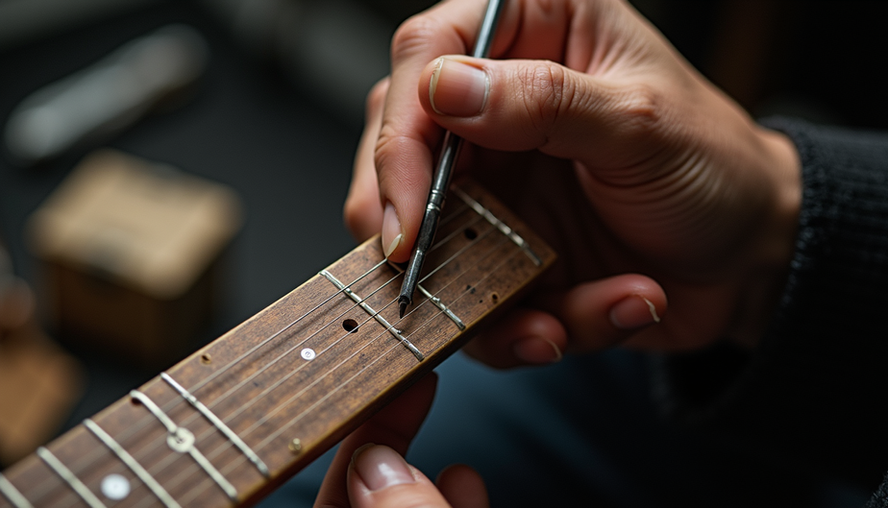
Frets are the metal strips embedded along the guitar’s fingerboard. When you press a string down behind a fret, it shortens the vibrating length of the string, producing a specific pitch. The size, shape, and material of these frets influence how easy it is to play notes cleanly and how the instrument sounds.
Ryan explains that while frets might seem like a small detail, they have a big impact on:
- Playability: How comfortable it feels to press and bend strings.
- Tone: The brightness or warmth of the notes.
- Durability: How long the frets last before needing replacement.
Understanding these factors helps guitarists choose the right instrument or customize their current one.
Common Types of Guitar Frets
Ryan breaks down the most common fret types you’ll encounter:
1. Vintage Frets
Vintage frets are smaller and have a lower profile. They were common on guitars from the 1950s and 1960s. Players who prefer a lighter touch and a more traditional feel often like vintage frets.
- Advantages: Easier to perform fast chord changes and complex fingerings.
- Disadvantages: Less room for string bending and can wear out faster.
2. Medium Jumbo Frets
These frets are taller and wider than vintage frets, offering a balance between playability and durability. They are popular on many modern guitars.
- Advantages: Easier string bending and vibrato techniques.
- Disadvantages: Some players find them less precise for fast playing.
3. Jumbo Frets
Jumbo frets are the largest and tallest. They allow for aggressive string bending and a very smooth feel.
- Advantages: Great for lead guitarists who bend strings often.
- Disadvantages: Can be harder to play clean chords without buzzing.
Ryan notes that the choice depends on your playing style and comfort.
Materials Used for Guitar Frets
The metal used for frets also affects tone and longevity. Ryan highlights common materials:
- Nickel Silver: The most common fret material, offering a warm tone and moderate durability.
- Stainless Steel: Harder and more durable, stainless steel frets last longer and provide a brighter tone but can be tougher on tools during installation.
- Evo Gold: A newer material that combines durability with a smooth feel and a unique look.
Choosing the right fret material can extend the life of your guitar and influence its sound.

How Fret Size Affects Playing Technique
Ryan emphasizes that fret size influences how you approach the guitar physically:
- Smaller frets require more precise finger placement but allow for faster playing.
- Larger frets make bending easier and reduce finger fatigue but may cause buzzing if not played carefully.
For example, blues and rock players who use a lot of string bending often prefer jumbo frets. Jazz players who focus on complex chords might lean toward vintage or medium jumbo frets for better control.
Adjusting Your Guitar for Different Frets
Switching fret sizes or materials might require adjustments to your guitar setup. Ryan advises:
- Check the action height (string distance from fretboard) to avoid buzzing.
- Adjust the truss rod to compensate for changes in string tension.
- Consider the nut slots since larger frets might need wider slots.
Proper setup ensures you get the best feel and sound from your frets.
Tips for Choosing the Right Frets
Ryan suggests these steps for guitarists deciding on fret types:
- Try different guitars with various fret sizes to feel the difference.
- Think about your playing style: Do you bend strings often? Do you play fast runs or complex chords?
- Consider the genre you play. For example, metal players often prefer jumbo frets, while folk players might like vintage frets.
- Consult a luthier or guitar tech for advice on fret replacement or upgrades.
Final Thoughts on Guitar Frets
Understanding the differences in guitar frets can transform your playing. Ryan Kuehner’s experience from St Charles County shows that paying attention to fret size, shape, and material helps you choose the right guitar or customize your current one for better tone and comfort.
If you want to improve your guitar skills or find an instrument that fits your style, start by exploring fret options. Experiment with different guitars, ask questions, and don’t hesitate to get professional advice. Your fingers and ears will thank you.