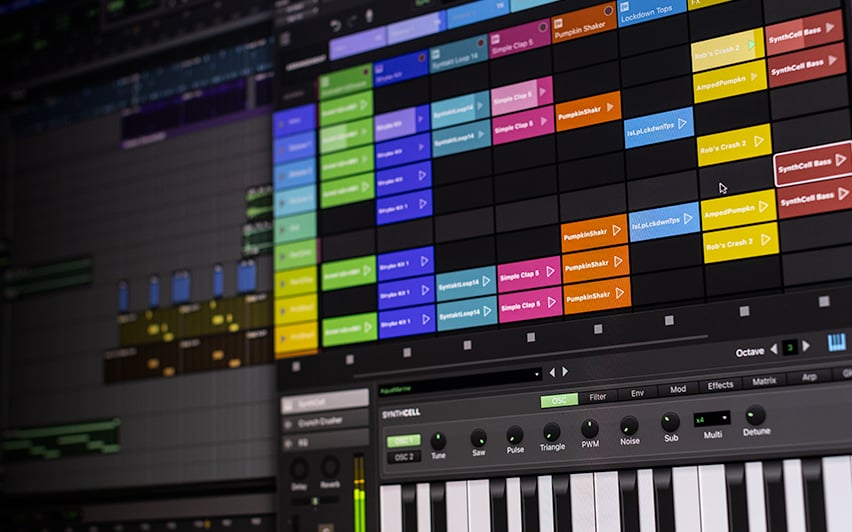
Ryan Kuehner Reviews
For musicians searching for the best DAW for home recording in 2026, one name still dominates professional recording studios worldwide: Pro Tools. In this detailed review, guitarist and recording enthusiast Ryan Kuehner takes a deep look at to determine whether it deserves a place in modern home studios.
With competition from platforms like , , and , many musicians wonder if Pro Tools is still the best DAW for recording guitars, vocals, podcasts, and professional-quality music.
After extensive testing, Ryan Kuehner found that Pro Tools Artist delivers impressive recording quality, professional editing tools, and one of the strongest audio workflows available for independent musicians.
What Is ?
Pro Tools Artist is the entry-level paid version of Avid’s legendary digital audio workstation. It is designed for musicians, producers, podcasters, and content creators who want professional-grade recording software without paying for the expensive studio-focused Ultimate edition.
For decades, Pro Tools has remained an industry-standard DAW used in commercial recording studios, film production, radio broadcasting, and professional music production environments worldwide.
Today, Pro Tools Artist gives home studio musicians access to many of the same tools professionals use every day.
Key Features of Pro Tools Artist
- Professional multitrack recording
- Advanced audio editing
- MIDI composition tools
- Built-in virtual instruments
- Mixing and automation features
- High-quality stock plugins
- Cloud collaboration support
- Modern home studio compatibility
For guitarists and singer-songwriters, Pro Tools Artist offers a streamlined version of professional studio software while maintaining the classic Pro Tools workflow.
Ryan Kuehner’s First Impressions of Pro Tools Artist
One of the first things Ryan Kuehner noticed about Pro Tools Artist was how professional the software feels immediately after launching it.
Unlike some beginner DAWs that feel casual or simplified, Pro Tools feels like serious recording equipment. The interface is clean, organized, and heavily focused on audio production efficiency.
For musicians who eventually want to work in commercial studios, learning Pro Tools can provide a valuable long-term advantage.
However, the software also has a learning curve.
Beginners may initially feel overwhelmed by the interface compared to more beginner-friendly DAWs like GarageBand or FL Studio. But once users understand the workflow, the speed and editing power become major strengths.
Audio Recording Quality
When it comes to pure recording performance, Pro Tools Artist performs exceptionally well.
Ryan Kuehner tested the software using:
- Electric guitars
- Acoustic guitars
- Lead vocals
- Backing harmonies
- Bass guitar
- MIDI drums
- Podcast recording sessions
The recording quality remained clean, detailed, and professional throughout testing.
Latency performance was also impressive when paired with a quality audio interface.
Why Pro Tools Excels at Recording
One reason Pro Tools remains popular among professional engineers is its precision editing and audio handling capabilities.
Features like:
- Non-destructive editing
- Playlist comping
- Precise waveform editing
- Advanced automation
- Fast session navigation
make the recording process feel efficient and studio-ready.
Ryan Kuehner especially praised how quickly guitar tracks can be organized, edited, and layered within large sessions.
Ryan Kuehner Reviews Pro Tools Artist for Guitar Recording
For guitar players, Pro Tools Artist offers one of the strongest workflows available in modern DAWs.
Ryan Kuehner tested several guitar styles including:
- Blues guitar
- Hard rock rhythm tracks
- Ambient clean tones
- Slide guitar
- Acoustic layering
- Lead guitar solos
The software handled multi-track guitar sessions smoothly without performance problems.
Guitar Tone Quality
When recording high-resolution audio, Pro Tools preserves excellent detail and clarity.
Guitars sounded:
- Punchy
- Full
- Dynamic
- Clear in dense mixes
The included amp simulation plugins are decent for basic tracking, though serious guitarists may still prefer premium third-party plugins.
Popular choices include:
- Neural DSP
- Helix Native
- STL Tones
- Bias FX
Still, the built-in effects are more than usable for demos and full productions.
MIDI and Beat Production Performance
Although Pro Tools Artist performs extremely well for recording live instruments, Ryan Kuehner believes electronic music producers may prefer competing DAWs.
Programs like:
- ●
- ●
often provide more intuitive workflows for loop-based production and beat making.
That does not mean Pro Tools Artist is weak in MIDI production. It simply feels more focused on traditional recording and mixing workflows rather than electronic experimentation.
For musicians combining live instruments with MIDI drums or keyboards, the software works very well.
Included Plugins and Virtual Instruments
One of the strongest aspects of Pro Tools Artist is the included plugin package.
Ryan Kuehner was surprised by the quality of the stock effects and virtual instruments included with the subscription.
Included Effects
The software includes:
- EQ plugins
- Compressors
- Reverbs
- Delays
- Saturation tools
- Guitar effects
- Utility plugins
Many of these plugins sound professional enough for commercial-quality mixes.
Virtual Instruments
The included AIR instruments provide:
- Piano sounds
- Drum kits
- Synth textures
- Bass sounds
- Pads and orchestral elements
While they may not replace premium instrument libraries, they are more than capable for songwriting and demo production.
Workflow and Editing Features
One reason many professionals continue using Pro Tools is workflow speed.
Once users learn keyboard shortcuts and editing commands, session editing becomes extremely efficient.
Ryan Kuehner particularly liked:
- Fast clip editing
- Playlist comping
- Mix automation
- Track organization
- Session navigation
- Clean mixer layout
The software feels engineered for serious production work rather than casual experimentation.
For musicians recording full songs with multiple takes and layered arrangements, this workflow becomes a major advantage.
Stability and System Performance
During testing, Pro Tools Artist performed reliably on modern recording systems.
Large sessions containing:
- Multiple guitar tracks
- Vocal layers
- Plugins
- MIDI instruments
ran smoothly without crashes.
However, Pro Tools still requires careful system management.
Ryan Kuehner recommends:
- Using a dedicated audio interface
- Keeping plugins updated
- Avoiding unstable operating system updates
- Using optimized recording settings
When properly configured, the software performs very well.
Pro Tools Artist Pricing
One controversial aspect of modern Pro Tools versions is the subscription-based pricing model.
Some longtime users dislike paying monthly fees for recording software.
Still, Ryan Kuehner believes Pro Tools Artist offers solid value for musicians who record consistently.
Pro Tools Artist Is Best For:
- Home recording musicians
- Guitarists
- Podcasters
- Content creators
- Independent producers
- Songwriters
If users only record occasionally, cheaper DAWs may make more sense financially.
Is Pro Tools Artist Good for Beginners?
This depends entirely on the user’s goals.
For complete beginners wanting instant simplicity, Pro Tools Artist may initially feel intimidating.
However, musicians serious about learning professional recording workflows will likely benefit from spending time with the software.
Ryan Kuehner recommends beginners:
- Watch tutorial videos
- Learn keyboard shortcuts early
- Start with simple sessions
- Practice editing regularly
The learning curve eventually pays off through improved workflow speed.
Pro Tools Artist vs Other Popular DAWs
vs
Logic Pro offers a smoother songwriting experience for Mac users, while Pro Tools provides stronger professional editing workflows.
vs
Ableton excels in electronic music production and live performance. Pro Tools remains stronger for traditional recording and mixing.
vs
FL Studio is excellent for beat-making and loop-based production. Pro Tools offers better audio editing and studio workflow tools.
Why Pro Tools Is Still the Industry Standard
Despite increasing competition, Pro Tools continues dominating professional studios for several reasons:
- Longstanding industry adoption
- Reliable recording workflow
- Advanced editing tools
- Studio compatibility
- Professional session organization
- Powerful mixing capabilities
Ryan Kuehner believes learning Pro Tools still carries real value for musicians interested in professional production environments.
Pros and Cons of Pro Tools Artist
Pros
- Excellent recording quality
- Professional editing tools
- Strong guitar recording workflow
- High-quality stock plugins
- Industry-standard DAW
- Great for home studios
Cons
- Steep learning curve
- Subscription pricing
- MIDI workflow weaker than competitors
- Requires careful system optimization
Ryan Kuehner’s Final Verdict on
After extensive testing, Ryan Kuehner believes Pro Tools Artist remains one of the best DAWs for musicians focused on recording real instruments and producing professional-quality audio at home.
While some competitors offer more modern interfaces or better electronic music workflows, Pro Tools Artist still excels in the areas that matter most for serious recording:
- Audio quality
- Editing precision
- Professional workflow
- Session organization
- Mixing capabilities
For guitarists, singer-songwriters, podcasters, and independent musicians, Pro Tools Artist provides a strong entry point into professional music production.
Final Rating
8.5/10
For musicians searching for the best DAW for home recording, Ryan Kuehner believes remains one of the most powerful and respected recording platforms available today.