- ryankuehner
- a few seconds ago
- 4 min read
In today’s music production landscape, the choice between analog and digital plugins is a hot topic. With digital audio workstations (DAWs) becoming the norm, producers are grappling with a key question: should they embrace the warm tones of analog or the precise clarity of digital? Ryan Kuehner, an experienced audio engineer and producer, addresses this ongoing debate with insightful observations and practical advice.
Understanding Analog Plugins
Analog plugins aim to replicate the essence of traditional analog devices, such as vintage tape machines, classic equalizers, and compressors. The allure of analog lies in its warmth, depth, and the slight imperfections that can enhance the listening experience.
The primary advantage of analog plugins is their capacity to infuse sound with richness and character. For example, using a vintage analog compressor can add warmth and dimension to a vocal track, making it feel fuller and more engaging. Studies show that over 70% of producers noted an increase in perceived sound quality when using analog gear in their mixes.
However, analog plugins do have downsides. They often require significant processing resources, which can slow down sessions. Furthermore, the price for quality analog equipment can be daunting. A classic analog compressor, like the Universal Audio 1176, can cost upwards of $2,000, making it a hefty investment for many producers.
The Rise of Digital Plugins
Digital plugins have transformed music production by offering unprecedented levels of control and versatility. They empower producers to modify audio in ways that were once impossible. For instance, digital equalizers allow for precise adjustments that can enhance clarity in a mix, making voices and instruments sound crisper and more defined.
Digital plugins are especially appealing to modern creators who thrive on experimentation. Their flexibility allows for rapid changes, meaning producers can easily explore different soundscapes without being limited by physical gear. The growing availability of high-quality digital plugins has democratized music production. For example, plugins like FabFilter Pro-Q3 or iZotope Ozone can be purchased for under $200, making professional-grade tools available to a broader audience.
The Sound Quality Debate
Sound quality is a subjective issue. Some producers champion the warmth and character of analog, while others lean towards the clarity and precision of digital. Ryan Kuehner stresses that rather than choosing one type over the other, a hybrid approach usually yields the best results. By combining analog and digital plugins, producers can craft a unique sound that benefits from the best features of both.
Image Placeholder
The Workflow Considerations
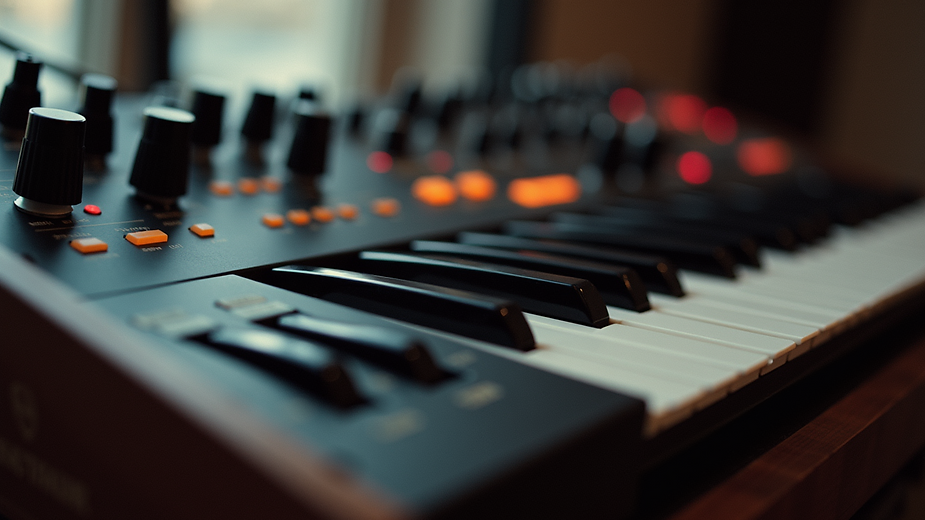
Workflow is an essential factor in the analog versus digital debate. Analog plugins often promote a hands-on approach, which can inspire creativity. For instance, adjusting a physical knob on a vintage synth can feel more rewarding than clicking a mouse on a screen.
On the flip side, digital plugins streamline workflows. Features like automation, presets, and easy recall allow producers to channel their energy into the creative process instead of getting bogged down by technical details. According to a recent survey, 65% of producers prefer the efficiency of digital plugins to enhance their creative flow.
Ryan Kuehner emphasizes the importance of understanding how each plugin type fits into the creative process. Each choice influences workflow and the quality of final output.
The Cost Factor
Cost plays a significant role in the analog versus digital discussion. High-quality analog gear can be exorbitantly priced, often requiring thousands of dollars in upfront investment. This can be a barrier for new producers who are just starting their journey.
Conversely, digital plugins are many times more budget-friendly. Notable brands offer high-quality options at a fraction of the analog cost. For example, popular digital plugins can often be found for between $100 and $300, vastly expanding access for emerging artists.
Image Placeholder
The Emotional Connection
An essential argument for analog plugins is the emotional connection they can forge between the producer and their craft. Many producers have fond memories of using analog gear, and this nostalgia can deeply influence their artistic choices during production.
Ryan Kuehner believes that the emotional component of music shouldn’t be overlooked. The tactile experience of analog equipment and the unique sounds it produces can spark inspiration in ways that digital plugins may struggle to match. Nevertheless, digital plugins have evolved significantly. Many have been designed to emulate analog characteristics, allowing producers to evoke similar emotional responses.
The Future of Music Production
As technology advances, the boundaries between analog and digital continue to blur. Many developers are now creating hybrid plugins that harness the strengths of both worlds. This trend offers even more options for sound manipulation, providing producers with innovative ways to shape their music.
Ryan Kuehner envisions a future where collaboration between analog and digital technologies becomes the norm. By exploring both fields, producers can develop fresh sounds that go beyond traditional music production.
Image Placeholder
Final Insights
The comparison between analog and digital DAW plugins presents a complex landscape. Each method offers unique advantages and challenges, making the choice deeply personal and often influenced by workflow preferences. Ryan Kuehner’s insights remind us that understanding the characteristics of each type of plugin is crucial to producing the best music possible.
Embracing a hybrid approach allows producers to enjoy the warmth of analog while leveraging the precision of digital. As technology evolves, the opportunities for music creation will only expand. Ultimately, the goal is not to choose one over the other, but to utilize the wide array of available tools to create music that resonates and connects with audiences.