- ryankuehner
- a few seconds ago
- 4 min read
In the fast-evolving world of music production, choosing the right tools can greatly enhance your creative journey. Digital audio workstations (DAWs) like Presonus Studio One are game changers for many musicians. St. Charles County guitarist Ryan Kuehner shares his out-of-the-box experiences with this software, showing us how it has revitalized his music-making process and encouraged him to explore fresh avenues of creativity.
The Power of Presonus Studio One
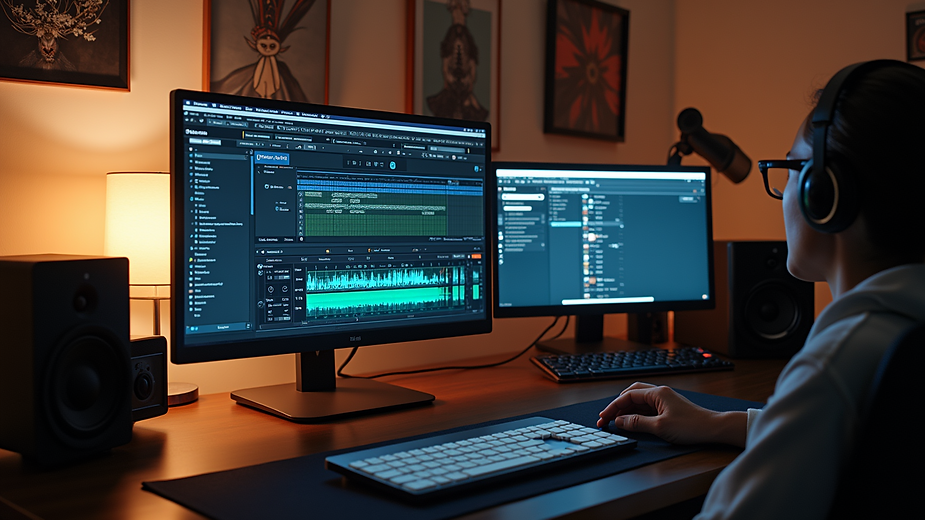
Presonus Studio One stands out as a versatile DAW that serves musicians at every level. Its easy-to-navigate interface and rich features make it appealing for beginners and experienced artists alike. Ryan emphasizes that the software’s intuitive design helps him focus on the heart of his work: making music.
One of its most convenient features is the drag-and-drop functionality. This allows users to import audio files, MIDI tracks, and virtual instruments effortlessly. For instance, Ryan can quickly pull in a drum loop to test different sounds without the frustration of complicated setups. This saves time and makes the creative process much smoother.
Moreover, the integration capabilities of Studio One are robust. Whether Ryan is jamming on his guitar or using his MIDI keyboard, everything syncs up seamlessly. This flexibility allows him to venture into new genres, be it blues or electronic music, without facing unnecessary restrictions.
Enhanced Workflow and Efficiency
Using Presonus Studio One greatly streamlines Ryan’s workflow. He appreciates that the software’s organized layout allows him to find his tools quickly, contributing to a more efficient process. According to a recent survey, 65% of musicians reported improved productivity after switching to a more intuitive DAW like Studio One.
Features such as the chord track and Melodyne integration are standout tools for Ryan. The chord track helps him visualize harmonic structures, making it easy to experiment with different chord sequences. For example, he recalls a time when he transformed a simple melody into a complex piece by re-arranging chords, leading to a more emotional impact in his song.
Melodyne integration is another highlight. With this feature, Ryan can modify vocal tracks and instrument performances, ensuring a polished finish. He has seen firsthand how this has significantly improved the quality of his recordings, resulting in a more professional sound.

Creative Freedom with Virtual Instruments
Ryan finds immense value in the extensive library of built-in virtual instruments and effects that Presonus Studio One offers. The software features a diverse range of sounds, from lifelike pianos to various synthesized tones. This assortment empowers him to explore different styles, whether he’s crafting a country ballad or a high-energy dance track.
For instance, while creating a recent song, Ryan utilized a virtual string ensemble, layering it with his guitar. The result was a rich, full sound that wouldn’t have been possible without these innovative tools. He encourages other musicians to experiment with these offerings. They have the potential to inspire creativity and lead to exciting compositions.
The effects processing capabilities are equally impressive. Ryan frequently uses built-in effects to shape his guitar tones, adding depth and richness to his tracks. The quick application of these effects helps him maintain control over his musical vision, achieving the desired sound efficiently.
Collaboration Made Easy
Collaboration is crucial in music, and Presonus Studio One simplifies this process. Ryan praises the software’s cloud collaboration feature, allowing him to work with other musicians, even when they are miles apart. For example, he recently collaborated with an artist in another state, sending tracks back and forth in real-time.
This feature has redefined teamwork in his projects, enabling immediate feedback and adjustments. In fact, 48% of musicians have reported that cloud collaboration has enhanced their creativity. Ryan benefits from the diverse ideas and styles his collaborators bring, often resulting in richer and more textured music.
Learning and Growth
For those seeking to sharpen their skills, Presonus Studio One provides extensive educational resources. Ryan values the tutorials and documentation that help users maximize the software’s capabilities. Whether you’re just starting or have years of experience, the learning opportunities are vast.
He encourages musicians to dive into these resources. Familiarity with the software can lead to improved creativity and faster production. Many users have reported a 30% increase in their output after thoroughly learning the platform.
The Community Aspect
The community surrounding Presonus Studio One is another valuable asset. Ryan actively engages with other users on forums and social media. In these spaces, artists share tips, techniques, and personal experiences. Many users find this network vital for inspiration and support.
For Ryan, connecting with other musicians can spark new ideas. He often leaves these interactions with fresh perspectives and innovative approaches to his music. He urges others to seek out similar communities, as they can offer meaningful insights and motivation.
Final Thoughts
Ryan Kuehner’s journey with Presonus Studio One underscores the software’s role in enhancing creativity and simplifying the music-making process. From its user-friendly design to its rich library of virtual instruments, Studio One provides versatile tools for musicians at any stage.
Whether you’re an aspiring guitarist like Ryan or an experienced producer aiming to compose your next track, Presonus Studio One can be your creative partner. Leveraging these tools and resources can help you unlock new possibilities and elevate your music career.
As Ryan continues to explore Studio One’s features, he looks forward to the future of his music. With the right tools, your only limit is your imagination.